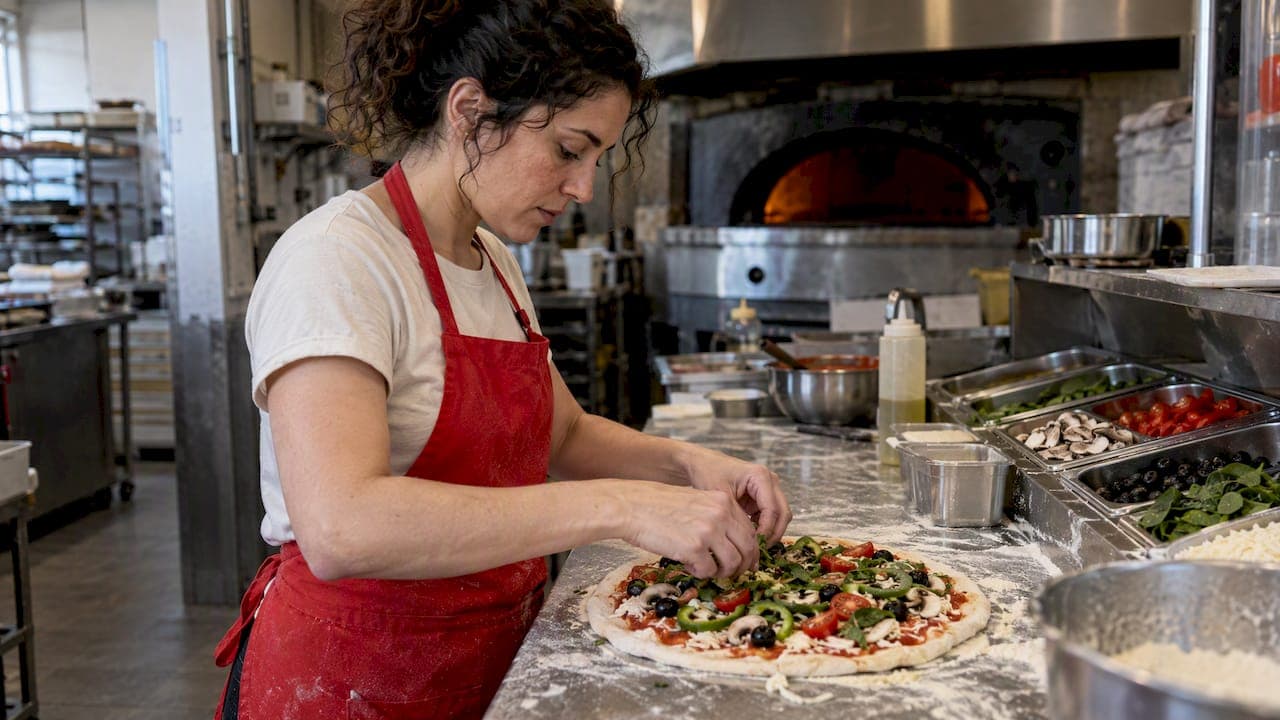
Most fresh vegetables, plain cheeses, unprocessed meats, and many pure sauces are naturally gluten-free, which makes building a safe pizza or dessert easier than most people expect. The real risk hides in processed toppings, seasoned meats, baked mix-ins, and shared serving bins. In Canada, a "gluten-free" claim means the product sits under 20 parts per million of gluten, so checking labels and asking about preparation still matters every single time.
TL;DR:
- Most fresh vegetables, plain cheeses, and unprocessed meats are naturally gluten-free, but pre-seasoned meats and shared equipment pose risks.
- Labels claiming gluten-free in Canada mean gluten stays below 20 ppm, but cross-contamination during harvesting or processing can still occur.
- Packaged baked goods, candies, and toppings like brownies or pretzels are almost always gluten-containing, so they should be avoided unless specifically labeled gluten-free.
- Cross-contact often happens from crumbs, shared utensils, or porous kitchenware rather than obvious ingredients, making separate preparation essential.
- Asking detailed questions about ingredients and preparation steps at restaurants significantly reduces the risk of gluten exposure.
Table of Contents
- 1. Gluten-free pizza toppings: vegetables, meats, cheeses and sauces
- 2. Gluten-free dessert toppings and ice cream add-ins
- 3. How to read labels and what gluten-free means in Canada
- 4. Avoiding cross-contamination at home and when ordering
- 5. Quick topping combos and serving ideas
- 6. Why this list matters to us
- 7. Ordering a gluten-conscious pizza from HellCrust
- FAQ
- Sources
1. Gluten-free pizza toppings: vegetables, meats, cheeses and sauces
A pizza built from whole, unprocessed ingredients is almost always a safe bet, and that is good news for anyone who loves a loaded pie. Fresh vegetables and fruit, think bell peppers, mushrooms, tomatoes, spinach, arugula, and olives, are naturally free of gluten, though it is worth rinsing and prepping them separately if they have shared a cutting board with bread crumbs or croutons.
Meat is where the questions pile up fastest. Plain grilled chicken, freshly cooked ground beef, and freshly sliced ham are safe on their own, but pre-packaged pepperoni, salami, and sausage sometimes contain fillers or binders made from wheat. Are pepperoni gluten free? Many are, but not all, so the label is the only honest answer.
Cheese tells a similar story. Mozzarella, aged cheddar, feta, and goat cheese are naturally gluten-free, though some shredded or pre-crumbled varieties use anti-caking agents or added starches that can be cereal-derived.
Sauces round out the picture:
- Plain tomato sauce is usually a safe, simple choice.
- Pesto and certain barbecue sauces can contain soy sauce or malt vinegar, both gluten sources.
- Alfredo and cream-based sauces sometimes use wheat flour as a thickener.
- Always scan the ingredient list rather than assuming a sauce's name tells the whole truth.
The toppings that deserve the most caution are breaded or pre-seasoned proteins and deli-counter slices, which frequently rely on wheat-based binders or are sliced on equipment shared with bread products. When in doubt, a quick glance at the package or a direct question to the deli counter settles it.
2. Gluten-free dessert toppings and ice cream add-ins
Dessert can be just as rewarding without the worry, as long as you know which mix-ins to trust and which ones to skip. Fresh fruit, plain toasted nuts, chocolate chips labelled gluten-free, pure maple syrup, caramel sauce marked gluten-free, and natural nut butters are all reliable choices for topping ice cream, yogurt, or a simple cake.
The trouble usually comes from baked or candy-based add-ins:
- Cookie dough pieces and brownie or cake chunks almost always contain wheat flour.
- Pretzel bits are a near-guaranteed source of gluten.
- Many packaged sprinkles and some candies use wheat starch as a coating agent unless the label says otherwise.
Ice cream parlours bring their own set of risks, mainly from shared scoops and open topping bins. Ask for a fresh scoop taken with a clean utensil, skip the communal topping bar when possible, and request sealed or individually labelled toppings instead.
Pro Tip: Keep a small jar of your own labelled sprinkles or chocolate shavings at home, so dessert night never depends on guessing what is in someone else's bin.

3. How to read labels and what gluten-free means in Canada
Health Canada permits a "gluten-free" claim when gluten from wheat, rye, barley, or triticale stays under 20 ppm, and manufacturers are expected to keep cross-contamination to a minimum to maintain that claim.
Oats deserve their own mention. Plain oats are frequently cross-contaminated during harvesting and milling, so only oats specially produced and labelled as "gluten-free oats" meet the same 20 ppm standard. Regular oats are never a safe substitute, no matter how clean the package looks.
A significant portion of restaurant foods labelled "gluten-free" have been found to contain detectable gluten in a multi-sample Celiac Disease Foundation study, a reminder that a menu label alone does not guarantee safety.
Precautionary wording like "may contain wheat" is voluntary and unstandardized in Canada, so it can confuse more than it clarifies. When a label leaves you uncertain, contacting the manufacturer directly is the surer path.

4. Avoiding cross-contamination at home and when ordering
Cross-contact rarely comes from the obvious ingredient. It usually comes from crumbs, shared utensils, and porous kitchenware, according to Celiac Canada, which points to toasters and wooden spoons as frequent culprits.
A few habits make a real difference:
- Prepare gluten-free dishes first, before anything containing wheat touches the kitchen.
- Use separate cutting boards, utensils, and serving spoons, or wash thoroughly between uses.
- Toast gluten-free bread in a toaster bag or a dedicated toaster rather than one that has handled regular bread.
When ordering out or getting delivery, a short checklist helps: ask whether the kitchen has a dedicated prep area, whether staff change gloves between orders, whether fryers or ovens are shared with wheat-containing items, and whether a clean or new pizza cutter will be used.
Asking a restaurant to describe its specific steps, new gloves, a separate or freshly cleaned pizza cutter, a distinct prep surface, predicts a safer meal far better than trusting the menu label alone.
That guidance echoes what Celiac Canada and other dining resources recommend, including this practical guide to eating out safely, which walks through the exact questions worth asking before you order.
5. Quick topping combos and serving ideas
Sometimes the easiest path is simply having a few combinations ready to go.
- Classic margherita: tomato sauce, fresh mozzarella, and basil, with dedicated utensils throughout.
- Mediterranean veggie: olives, feta, spinach, and roasted red pepper.
- Smoky chicken: grilled chicken, caramelized onion, and aged cheddar.
- Fresh berries with toasted almonds and gluten-free chocolate shavings.
- Vanilla ice cream with pure maple syrup and crushed, labelled gluten-free cookies.
- Yogurt bowl with fresh fruit, chia seeds, and a drizzle of natural almond butter.
For parties, label the bowls clearly, use single-use scoops for each topping, and let one person handle the gluten-free plates from start to finish to keep cross-contact to a minimum.
6. Why this list matters to us
We put this list together by pairing regulatory guidance with the kind of practical questions a kitchen hears every day. It reflects what we have learned about preparing food thoughtfully, not just what the label says.
A certain pizza brand bakes with a multigrain, artificial additive-free dough, prepared in advance for a crust that is easier to digest and rich with fibre. They also offer vegan pizzas and customizable toppings, so you can build something that fits your needs without compromising on flavour. If you are ordering and have questions about preparation, our kitchen is always glad to talk it through.
— jaskirat Singh
7. Ordering a gluten-conscious pizza from HellCrust
Choosing toppings is only half the job. The other half is trusting that your order gets made the way you asked for it, and that is where a little communication with your kitchen goes a long way. At HellCrust Pizza, we build every pie around a Biga multigrain, artificial additive-free dough, and we let you choose your own toppings through Create Your Own Pizza, so you are never stuck with a fixed combination that does not fit what you need.
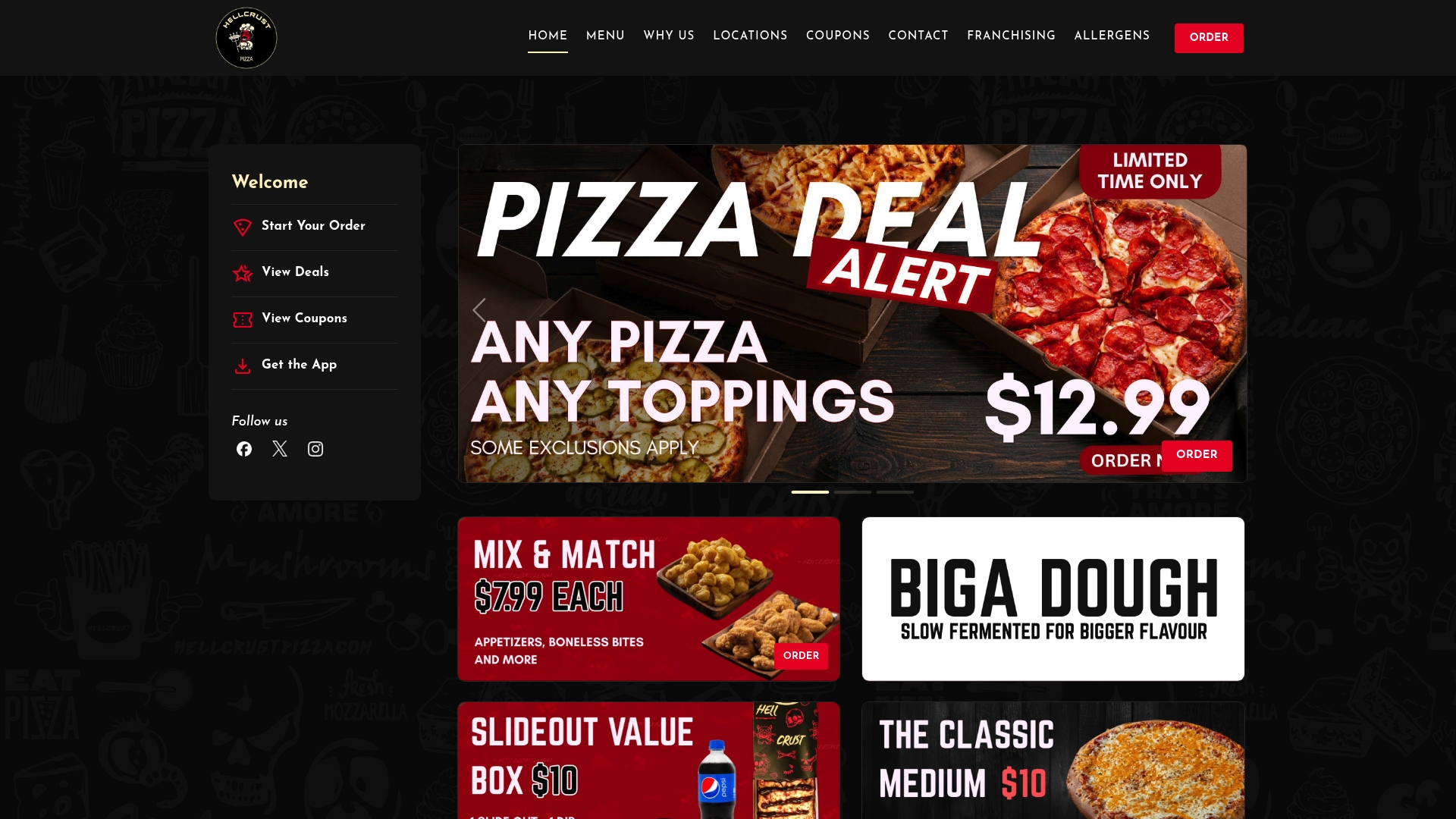
When you place an order, it is worth mentioning any topping concerns directly, whether that means asking about a specific sauce or requesting fresh gloves during prep. We would rather hear the question than have you guess.
- Vegan pizzas are available alongside Signature Pizzas and Create Your Own options.
- Mix & match deals provide options to try more than one pie.
- Sides, dips, and desserts are offered for families or groups.
| What you get | Where to find it |
|---|---|
| Custom topping selection | Create Your Own Pizza |
| Vegan pizza options | Vegan Pizzas |
| Family and group deals | Mix & Match menu |
Browse the full menu and build your next order the way you actually want it.
FAQ
What are the top 10 gluten-free foods?
Fresh fruits, vegetables, plain meat and fish, eggs, most dairy, rice, potatoes, legumes, nuts, and specially produced gluten-free oats are among the most reliable gluten-free staples. These foods are naturally free of wheat, rye, barley, and triticale in their unprocessed form.
What's surprisingly gluten-free?
Plain potato chips, many corn-based tortillas, popcorn, and most pure dark chocolate are often gluten-free, which surprises people who assume processed snacks are automatically off-limits. The catch is always the seasoning or coating, so checking the label still matters.
What are 6 foods celiacs should avoid?
Regular wheat bread and pasta, barley-based products like malt and some beers, rye bread, most breaded or battered foods, regular oats, and many soy sauces are common foods to avoid due to gluten content. Specially produced gluten-free oats are the one exception within that oat category, provided they meet the 20 ppm standard.
What toppings can go on a gluten-free pizza?
Fresh vegetables, plain cheeses, unprocessed or verified meats, plain tomato sauce, and labelled sauces all work well on a gluten-free pizza. The toppings to double check are seasoned or pre-packaged meats, pesto, and any sauce thickened with wheat flour.