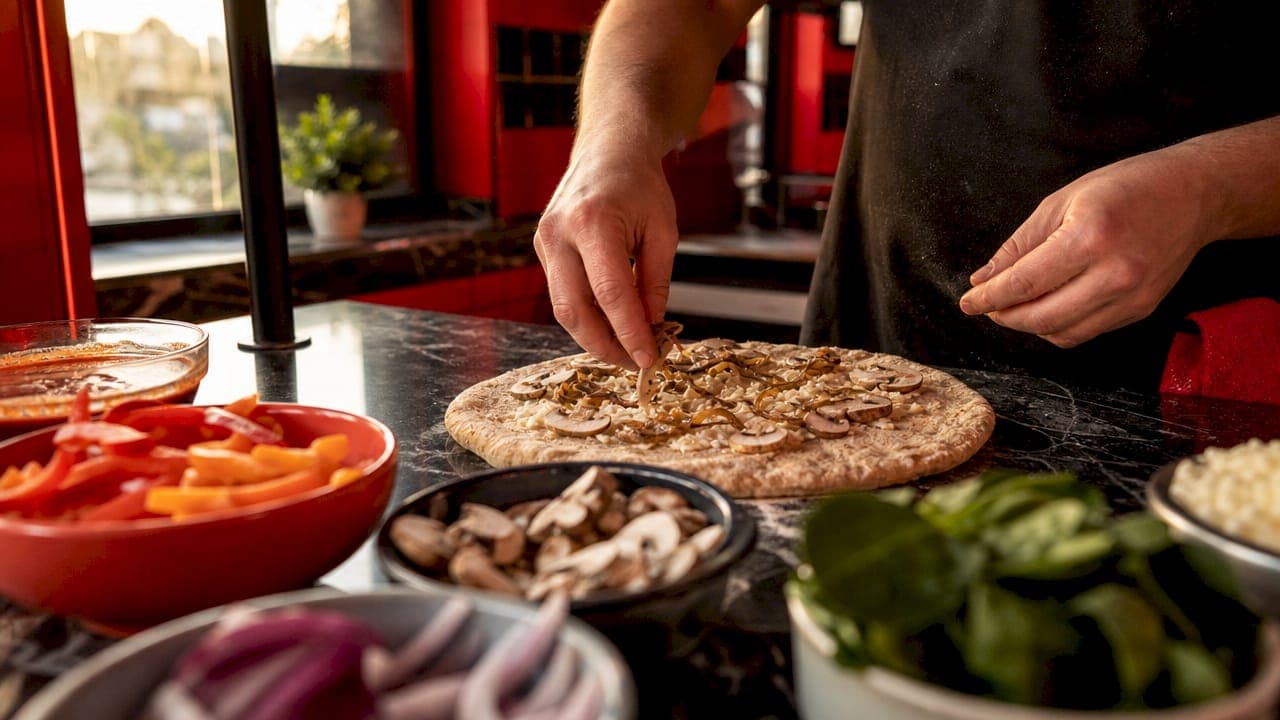
A multigrain pizza base is defined as a crust made from a blend of two or more whole or partial grains, such as oats, millet, barley, rye, spelt, or buckwheat, often enriched with seeds for added nutrition and flavour. Knowing how to pair toppings on a multigrain pizza base is the difference between a pizza that sings and one that falls flat. The crust carries a distinct nutty, earthy character that white-flour bases simply cannot replicate. Toppings need to complement that depth, not compete with it. At Hellcrustpizza, we craft our Biga multigrain dough without artificial additives, and we have learned firsthand that the right topping choices make every bite worth savouring.
Which toppings pair best with a multigrain pizza base?
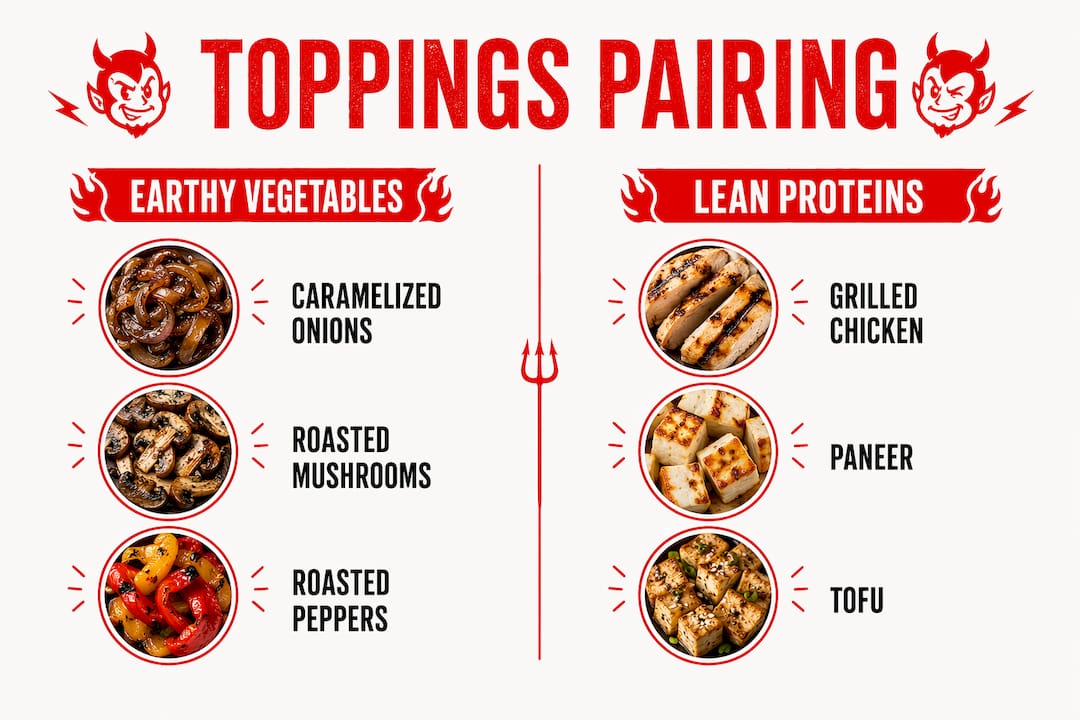
The best toppings for a multigrain pizza base are earthy, savoury, and moisture-controlled. The crust's nutty, earthy flavour calls for ingredients that echo or contrast its depth without drowning it out. Think caramelized onions, roasted mushrooms, charred bell peppers, wilted leafy greens, and lean proteins like grilled chicken, paneer, or tofu.
Vegetables that work
Caramelized onions bring sweetness that balances the slight bitterness of rye or spelt. Mushrooms add an umami depth that mirrors the crust's earthiness. Roasted bell peppers and zucchini contribute colour and mild sweetness. Leafy greens like spinach or arugula wilt beautifully in the oven and add a peppery finish.
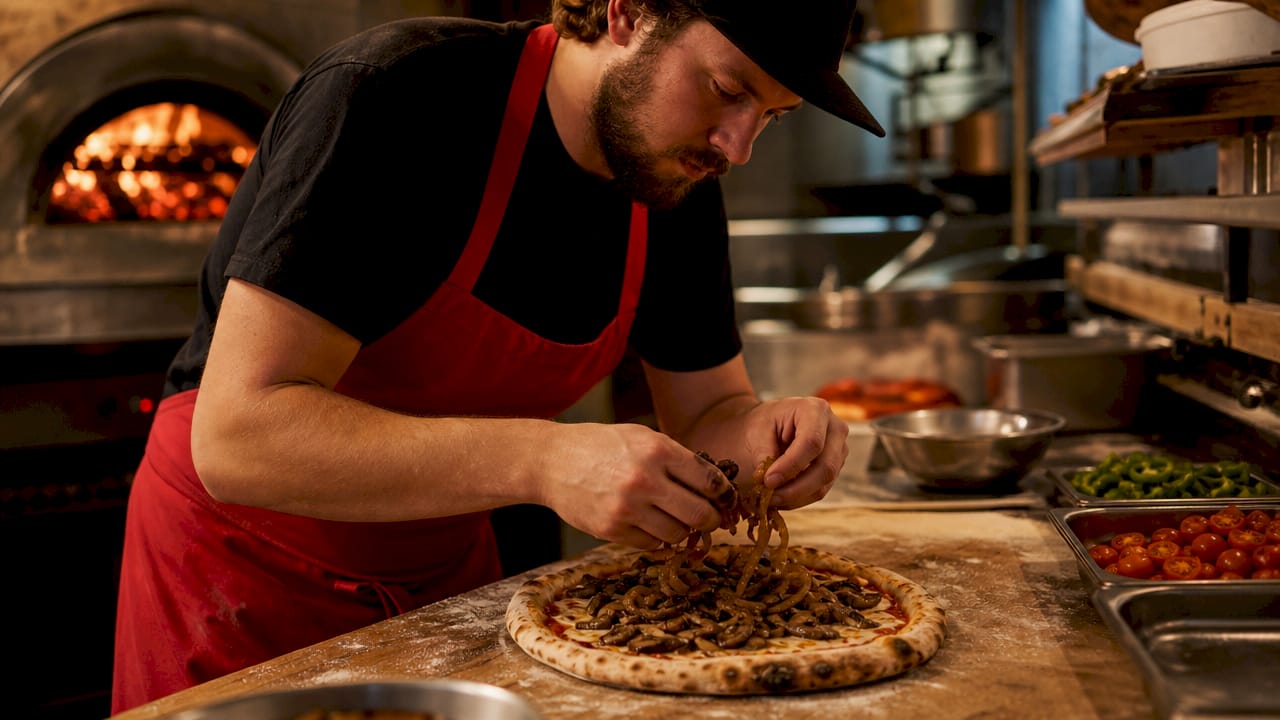
Avoid placing raw, high-water vegetables directly onto the base. Tomatoes, zucchini, and fresh mushrooms release significant moisture during baking. That moisture softens the crust and ruins the texture you worked hard to build.
Proteins that complement
Lean proteins are the ideal match for multigrain crusts. Grilled chicken, paneer, tofu, and legumes like chickpeas all add substance without overwhelming the crust's flavour. Charred, chili-spiced paneer or tofu is a particularly strong pairing because the smokiness and heat contrast the grain's nuttiness in a satisfying way.
Cheese and herb choices
Mozzarella is the classic choice because it melts evenly and has a mild flavour that does not compete with the crust. Feta adds a salty, tangy punch that works especially well with roasted vegetables. Parmesan, used sparingly, adds a savoury finish. Fresh basil, oregano, and chili flakes brighten the overall flavour and cut through the density of the dough.
- Caramelized onions: Sweet, slow-cooked, and low in moisture
- Roasted mushrooms: Umami-rich and pre-dried for crunch
- Grilled chicken or paneer: Lean, flavourful, and protein-dense
- Mozzarella or feta: Mild or tangy, both melt without overpowering
- Fresh basil and oregano: Added after baking to preserve brightness
- Chili flakes: A finishing touch that lifts the whole pizza
Pro Tip: A restrained topping approach lets the crust's nutty flavour shine. Experts consistently prefer lighter topping loads on multigrain bases over heavily piled pizzas, because the crust itself is part of the flavour story.
How do you prepare toppings for a multigrain pizza base?
Preparation is the step most home cooks skip, and it is the reason so many multigrain pizzas end up with a soggy centre. Pre-cooking or draining high-moisture toppings before they touch the base is non-negotiable if you want a crisp, well-structured result.
- Sauté mushrooms and onions first. Cook them in a dry or lightly oiled pan for 8–12 minutes until most of their moisture has evaporated. They should be golden and slightly caramelized before they go anywhere near the dough.
- Roast bell peppers and zucchini. Toss them in olive oil and roast at 400°F for 15 minutes. This concentrates their flavour and removes excess water.
- Marinate proteins before baking. Chicken, paneer, or tofu benefits from a 20-minute marinade with olive oil, garlic, and spices. Pre-cook proteins to 80% doneness so they finish in the oven without drying out.
- Pat everything dry. After cooking, lay vegetables on a paper towel and press gently. Even roasted vegetables hold surface moisture that transfers to the crust.
- Par-bake the crust. Par-baking the multigrain crust for 5–7 minutes before adding toppings is the single most effective way to prevent sogginess. The crust firms up, and the toppings then bake on a stable surface.
Pro Tip: If you are using fresh tomato slices, salt them and let them drain in a colander for 10 minutes before use. This simple step removes enough moisture to keep the crust crisp.
How do healthy toppings work with a multigrain pizza base?
A multigrain pizza base is already doing nutritional heavy lifting. Incorporating whole grains like oats, millet, and barley boosts fibre and protein, while seeds add omega-3 fatty acids and antioxidants. Toppings that continue this nutritional logic create a genuinely functional meal.
The fibre in the crust and the fibre in your toppings work together. Fibre-rich crust paired with healthy toppings feeds beneficial gut bacteria and reduces post-meal blood sugar spikes compared to white-flour crusts. That is a meaningful benefit, not just a marketing claim.
- Spinach and kale: High in iron, folate, and vitamins A and C
- Chickpeas: Plant-based protein and additional fibre
- Pumpkin seeds or sunflower seeds: Echo the seeds in the crust and add healthy fats
- Roasted sweet potato: Complex carbohydrates and beta-carotene
- Low-fat mozzarella: Protein and calcium without excess saturated fat
- Avocado (added post-bake): Healthy monounsaturated fats and creaminess
One thing to avoid is processed meats, sugary sauces, or heavily salted toppings. These conflict with the wholesome character of the base and undercut the nutritional work the crust is doing. A simple tomato sauce or a light olive oil base keeps the flavour clean and the nutrition intact.
When reading labels on commercial multigrain bases, whole grains should appear among the first three ingredients on the list. Products that list refined grains first deliver far less nutritional benefit, even if the packaging says "multigrain."
Step-by-step guide to assembling and baking a multigrain pizza
Getting the assembly order right is as important as choosing the right toppings. Layering incorrectly causes uneven cooking and a wet base.
- Par-bake the crust. Preheat your oven to 425°F–450°F. Place the shaped dough on a lightly oiled baking sheet or pizza stone and bake for 5–7 minutes. Remove and let it cool for two minutes.
- Spread the sauce thinly. Use a ladle or spoon to apply a thin, even layer of sauce, leaving a 1 cm border. Too much sauce is the second most common cause of sogginess after wet toppings.
- Add cheese first, then toppings. Placing cheese directly on the sauce creates a moisture barrier. Toppings go on top of the cheese, which holds them in place and prevents them from steaming the crust.
- Distribute toppings evenly. Avoid piling toppings in the centre. An even spread ensures consistent cooking and prevents the middle from sinking under weight.
- Bake for 12–20 minutes. Baking at 425°F–450°F for 12–20 minutes produces a crisp crust and browned toppings. Check at the 12-minute mark. The crust edge should be golden and firm.
- Add fresh herbs after baking. Basil, arugula, and chili flakes go on after the pizza comes out of the oven. Heat destroys their brightness and colour.
| Problem | Cause | Fix |
|---|---|---|
| Soggy centre | Wet toppings or too much sauce | Pre-cook toppings; par-bake crust |
| Dense, dry crust | Insufficient hydration or proofing | Add 5–10% more water; proof longer |
| Uneven cooking | Toppings piled in centre | Spread toppings to the edges evenly |
| Burnt edges, raw centre | Oven too hot or stone not preheated | Preheat stone 30 min; use middle rack |
Multigrain dough requires 5–10% more water than standard white dough and benefits from extended proofing. Whole grains absorb moisture more aggressively, so resist the urge to add flour if the dough feels sticky during mixing.
Key takeaways
The best multigrain pizza results from pairing earthy, moisture-controlled toppings with a properly par-baked crust, then baking at 425°F–450°F for 12–20 minutes.
| Point | Details |
|---|---|
| Choose earthy, savoury toppings | Mushrooms, caramelized onions, and roasted peppers complement the crust's nutty flavour. |
| Pre-cook all high-moisture ingredients | Sauté or roast vegetables for 8–12 minutes before placing them on the base. |
| Par-bake the crust first | Bake the base for 5–7 minutes before adding toppings to prevent sogginess. |
| Layer cheese before toppings | Cheese on sauce creates a moisture barrier that protects the crust. |
| Read ingredient labels carefully | Whole grains should appear in the first three ingredients for genuine nutritional benefit. |
What I have learned from years of working with multigrain dough
The most common mistake I see home cooks make is treating multigrain dough like standard white dough. It is not. Multigrain flour blends of rye, spelt, and buckwheat behave differently at every stage, from mixing to shaping to baking. The dough snaps back more, absorbs water unevenly, and needs patience during proofing. Rushing it produces a dense, cracker-like crust that no topping can save.
What I find genuinely exciting about multigrain bases is how well they accept international flavours. A za'atar and labneh combination works beautifully on a spelt-heavy base. A miso-glazed mushroom topping pairs surprisingly well with a barley-oat blend. The grain's complexity gives you permission to go further with flavour than a white crust ever would.
My honest advice: trust the crust. Do not pile on toppings out of habit or generosity. The multigrain base has earned its place as a flavour contributor, not just a vehicle. Let it breathe, keep your toppings restrained and well-prepared, and the result will be a pizza that feels both wholesome and deeply satisfying. You get what you put in, and with multigrain dough, that means patience, quality ingredients, and a willingness to experiment.
— jaskirat
Hellcrustpizza's multigrain base: where great pizza starts
At Hellcrustpizza, our Biga multigrain dough is crafted without artificial additives and fermented using a traditional preferment process that develops a rich, mature flavour most crusts simply cannot match. That depth of flavour is exactly what makes our base the ideal canvas for the topping combinations we have covered here.

Whether you are building a roasted vegetable and feta combination or a chili-spiced paneer creation, our multigrain pizza base gives you the structure and flavour to make it work. Hellcrustpizza offers Mix and Match options and family-sized specials so you can experiment with different toppings without committing to a single combination. Order through our app for exclusive deals and have a wholesome, crafted pizza delivered straight to your door.
FAQ
What is a multigrain pizza base?
A multigrain pizza base is a crust made from a blend of two or more grains such as oats, millet, barley, rye, or spelt, often with added seeds. It has a nuttier, earthier flavour and higher fibre content than a standard white-flour crust.
What are the best toppings for a multigrain pizza base?
The best toppings are earthy and savoury: caramelized onions, roasted mushrooms, grilled chicken or paneer, mozzarella or feta, and fresh herbs like basil and oregano. These complement the crust's natural nuttiness without overpowering it.
How do I stop my multigrain pizza from going soggy?
Par-bake the crust for 5–7 minutes before adding toppings, and pre-cook all high-moisture vegetables like mushrooms and bell peppers. Placing cheese directly on the sauce also creates a barrier that protects the crust from moisture.
What temperature should I bake a multigrain pizza at?
Bake at 425°F–450°F for 12–20 minutes. Check at the 12-minute mark; the crust edge should be golden and firm, and the toppings should be browned and fragrant.
Is multigrain pizza dough healthier than regular pizza dough?
Multigrain pizza dough is higher in fibre, protein, and micronutrients than standard white-flour dough. Whole grains like oats and barley support better digestion and produce a lower blood sugar response after eating.