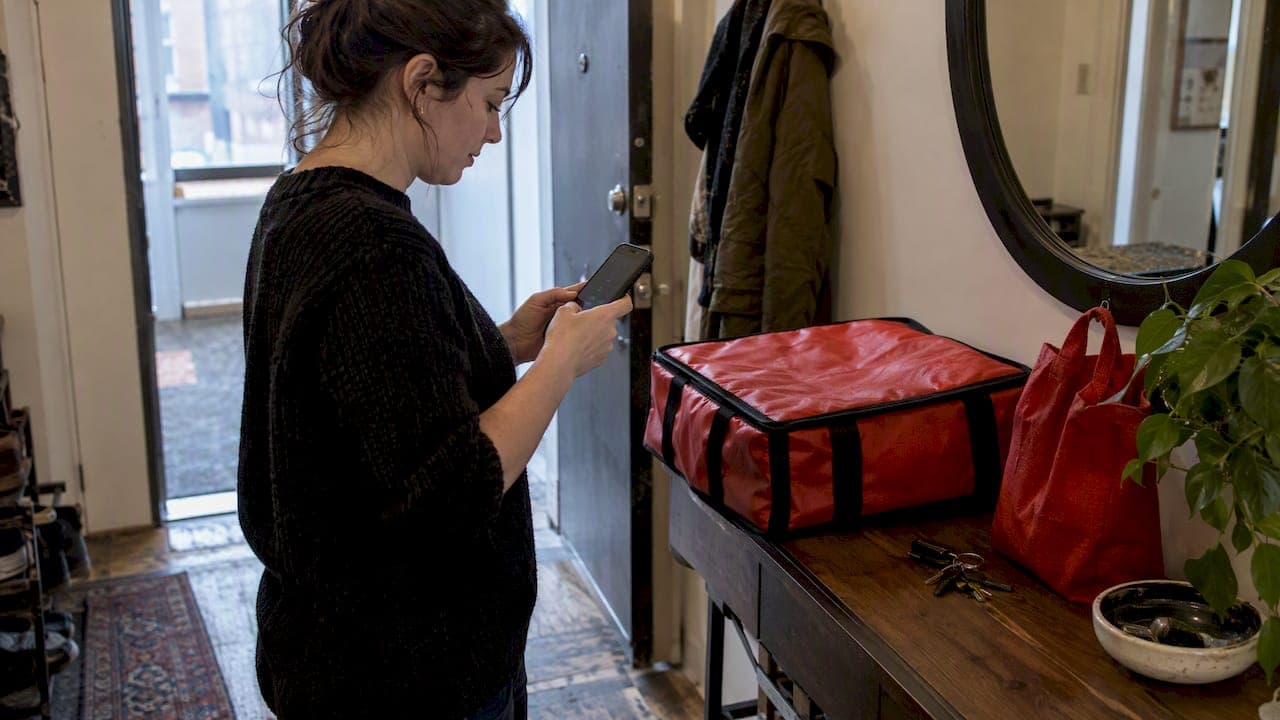
A pizza delivery fee is an add-on charged at checkout that usually covers delivery costs or platform commissions, and it is not the same as a tip, which typically goes to the driver. Before you place an order, check the total price shown at checkout rather than the menu price alone, and plan to tip on top of any fee.
TL;DR:
- Delivery fees can be fixed, distance-based, surge, or optional fast delivery charges, with some platforms hiding their commission within menu prices.
- Restaurants with their own staff usually keep delivery fees to cover wages and fuel, while third-party platforms retain a portion to cover their commissions, which can reach up to 29%.
- Canadian law requires mandatory delivery charges to be shown in the total price before checkout, with taxes detailed separately according to provincial rates.
- Tipping should be considered a separate gift to the driver, with larger or more challenging deliveries meriting higher tips, regardless of the delivery fee.
- Comparing the true cost involves summing menu price, delivery fee, tax, and tip, with pickup or app deals offering more economical options to lower the overall expense.
Table of Contents
- Types of delivery fees and how vendors calculate them
- Who gets the money: restaurants, platforms and drivers explained
- Disclosure and legal rules: drip pricing and tax basics to watch for
- Tipping guidance when a delivery fee appears
- How to reduce or avoid delivery fees and compare true total cost
- How HellCrust presents fees and keeps pricing transparent
- Editorial perspective: fee fatigue and what consumers can expect next
- Check HellCrust's menu for transparent pricing and deals
- Sources
- FAQ
Types of delivery fees and how vendors calculate them
Not every "delivery fee" means the same thing, and that's part of why the charge at checkout can feel confusing. Some restaurants set a fixed delivery fee that stays the same no matter how far you live from the kitchen, a flat cost meant to cover fuel, vehicle wear and the driver's time. Others use a distance-based or variable fee that climbs the farther the order travels, which feels fairer on paper but can surprise you if you live just outside a restaurant's usual zone.
Then there are surge or priority fees, charged during busy stretches like a Friday night rush or a snowstorm, when demand for drivers outpaces supply. A few operators have even experimented with optional "faster delivery" charges, letting you pay a premium to jump the queue, a model reported by Eater when Papa John's tested the idea.
Watch for these common labels at checkout:
- Fixed delivery fee: a flat charge regardless of distance or order size.
- Distance-based fee: rises with how far the driver has to travel.
- Service or processing fee: often covers payment processing or platform overhead.
- Surge or priority fee: applies during peak hours or for expedited delivery.
Some platforms also build their commission into slightly higher menu prices rather than a visible fee, so the same pizza can cost more through an app than at the counter.
Who gets the money: restaurants, platforms and drivers explained
The honest answer is that it depends entirely on who is running the delivery. A restaurant delivering with its own staff usually keeps the fee to offset fuel, insurance and wages. A third-party platform, on the other hand, often keeps some or all of the fee to cover its own commission, which can run high enough to squeeze restaurant margins, something Toronto Star reporting has tied to commission rates as high as 20 to 29% on some platforms.
The people driving your pizza fall into a few categories, each with a different relationship to that fee:
- Company-employed drivers: paid wages by the restaurant, with the delivery fee helping fund that payroll.
- Independent couriers on third-party apps: paid per delivery by the platform, often relying heavily on tips to make the trip worthwhile.
- Tips: flow directly to the person at your door, separate from whatever the fee covers.
Disclosure and legal rules: drip pricing and tax basics to watch for
Canadian consumer protection law has something specific to say about how fees get presented. The Competition Bureau treats drip pricing as a deceptive practice: advertising a price that isn't actually attainable because mandatory charges get added later is misleading, and businesses are expected to show the total price, including any mandatory fees, up front. The only charges exempt from that rule are government-imposed ones, like sales tax, which can legally appear as a separate line.
Mandatory fees must appear in the advertised total before checkout, according to the Competition Bureau's guidance on drip pricing, which treats hidden add-ons as a form of deception rather than a pricing quirk.
Tax lines follow their own logic. The Canada Revenue Agency explains that the correct GST/HST rate depends on the place of supply, and vendors must either show the GST/HST amount separately or state clearly that the total already includes it. That's why two pizza orders from different provinces can show different tax lines even when the menu prices match.

Tipping guidance when a delivery fee appears
A delivery fee rarely functions as a tip, even when the checkout screen makes it feel like one. Tipping has become an expectation for many Canadians ordering delivery, and Remitly's research on tipping culture suggests treating a tip as a direct contribution to the driver, not a substitute for whatever the business or platform collects.
A few guidelines make this easier:
- Small orders: a flat tip of a few dollars is generally seen as acceptable.
- Larger orders: a percentage of the subtotal, similar to restaurant dining, tends to feel more proportional.
- Bad weather or a long distance: consider tipping a little extra, since the driver's job just got harder.
- Exceptional service: a slightly higher tip acknowledges the effort, even if it isn't required.
How to reduce or avoid delivery fees and compare true total cost
The only fair way to compare delivery options is to add up the full cost: menu price, delivery fee, tip and tax, not just the number next to the pizza on the menu. A $16 pizza with a $4 fee, a $3 tip and tax can easily land closer to $25, while picking it up yourself might only mean the $16 plus tax.
A few practical moves help lower that total:
- Pick up in person when it's convenient, which usually eliminates the delivery fee and tip entirely.
- Consolidate orders with roommates or family to meet minimums and spread the fee across more food.
- Use app deals or loyalty offers that discount the order enough to offset the fee.
- Order during off-peak hours to avoid surge pricing tied to busy periods.
Pro Tip: A "free delivery" promotion isn't always free. Check whether the menu prices are quietly higher than they'd be for pickup, since that markup can cover the same cost the fee would have.
How HellCrust presents fees and keeps pricing transparent
The pizza vendor bakes its dough from a multigrain, artificial additive-free base, and builds its menu around mix and match deals and family-sized specials designed to keep the per-person cost reasonable. The ordering app shows the delivery charge and running total before you confirm your order, so there's no guessing what you'll owe once your order arrives. That kind of upfront pricing reflects the same principle regulators expect: show the real total, not a teaser price with surprises attached later.
Editorial perspective: fee fatigue and what consumers can expect next
Fee fatigue is real, and it's driven by platform economics as much as restaurant choices: when commissions eat into margins, fees creep up to compensate. Expect tighter disclosure enforcement and more pushback from customers who compare total prices before ordering. Demand the full number up front, every time.
— jaskirat Singh
Check HellCrust's menu for transparent pricing and deals
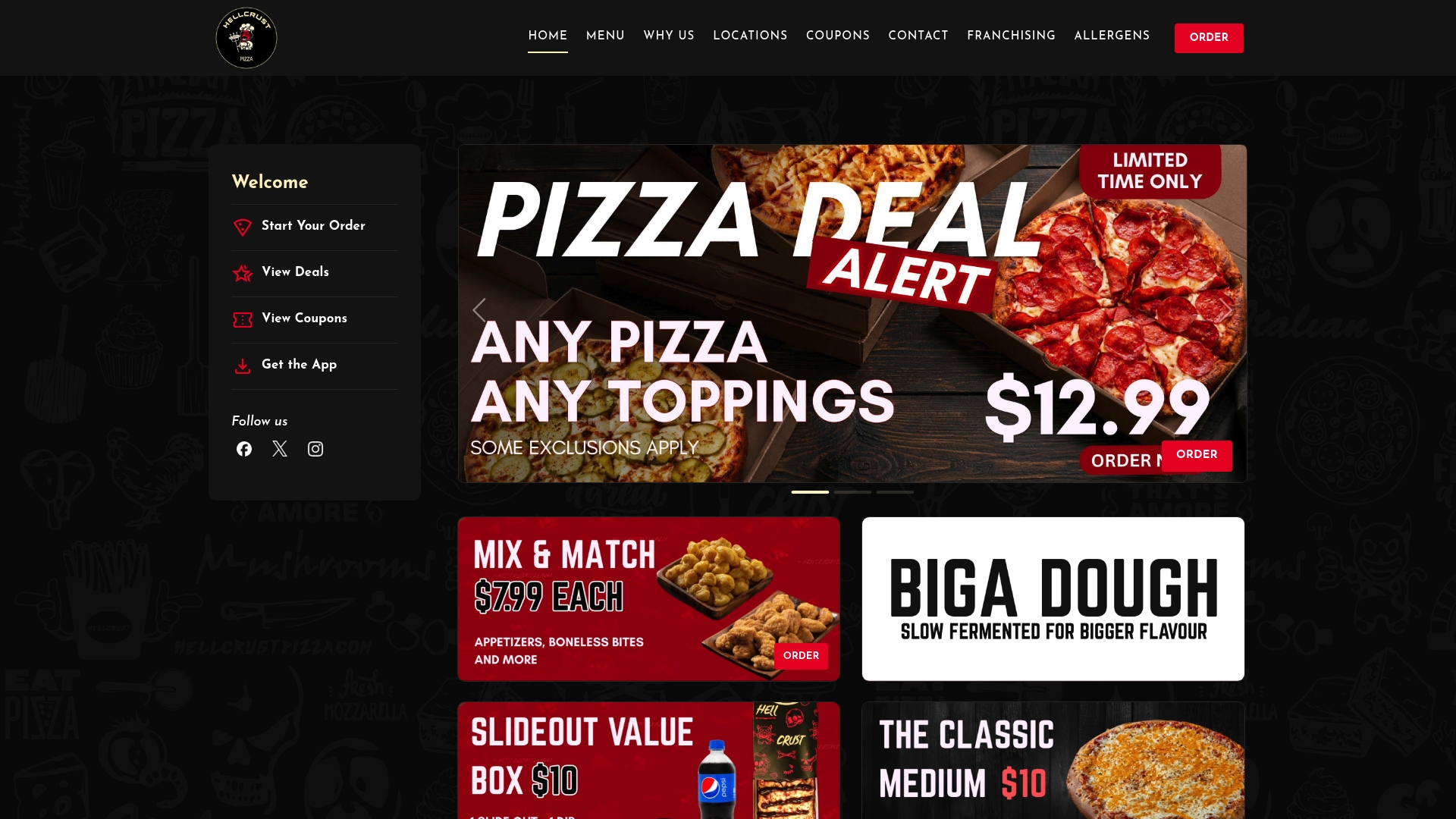
If delivery fees and vague pricing have you second-guessing an order, HellCrust Pizza's app lays out the full total, delivery charge included, before you confirm anything. Mix and match deals and family specials bring the per-person cost down without trimming the ingredients, and exclusive app offers often reduce the final total more than hunting for a lower delivery fee alone would.
- App-exclusive deals reduce the total cost beyond what delivery fee comparisons alone can offer.
- Mix & match options let a group order several pizzas at a lower combined price.
- Family-sized specials stretch a single order across more people for less per plate.
Browse the HellCrust Pizza menu to see current deals and compare the real total before you order.
Sources
- Drip pricing
- Canada
- Tipping in Canada — Remitly blog
- Canadians are tired of being charged extra fees: how 'fee fatigue' is impacting the restaurant industry — Toronto Star
FAQ
Do you tip for pizza delivery if they charge a fee?
Yes, a delivery fee usually goes to the business or platform, not the driver, so tipping separately is still expected. Treat the fee and the tip as two different things covering two different costs.
Why is there a delivery fee on pizza?
Delivery fees typically cover the restaurant's cost of running delivery, like fuel and driver wages, or help offset the commission a third-party platform charges the restaurant. Some fees also rise during busy periods to reflect higher demand for drivers.
What pizza place has the cheapest delivery fee?
Delivery fees vary too widely by location, platform and order size to name one consistently cheapest option. Comparing the total price, menu cost plus fee plus tax, across a few nearby restaurants is a more reliable way to find the better deal.
How much do you tip for $30 pizza delivery?
A percentage-based tip similar to restaurant dining, rather than a flat amount, tends to feel proportional on a larger order like this. Tipping guidance from Remitly suggests treating the tip as a direct thank-you to the driver, separate from whatever fee the order already includes.