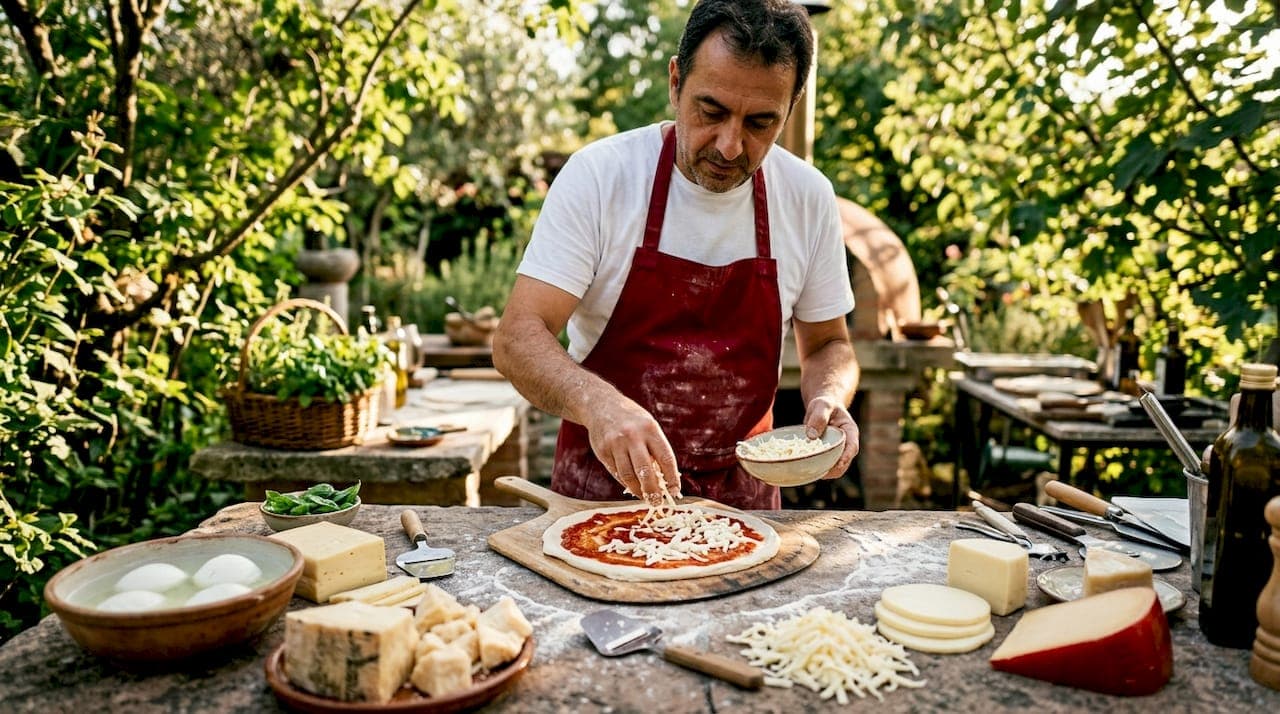
Cheese varieties used on gourmet pizzas are selected for three qualities above all else: meltability, flavour depth, and texture under heat. The right cheese transforms a good pizza into something genuinely memorable, while the wrong one produces a greasy, soggy, or flavourless result. Low-moisture whole-milk mozzarella, fontina, and provolone form the foundation of most artisanal builds, but the real craft lies in how you combine and time them. At Hellcrustpizza, we believe cheese selection is as deliberate as the dough itself, and getting it right starts with understanding what each variety actually does.
1. What are the top cheese varieties used on gourmet pizzas?
The gold standard for most pizza styles is low-moisture whole-milk mozzarella, which carries a fat content of 24–27% and moisture between 45–52%. That balance produces consistent stretch, even browning, and the satisfying pull most pizza lovers crave. It performs reliably at oven temperatures of 450–500°F, making it the workhorse of both home and professional kitchens.
Beyond mozzarella, each gourmet cheese variety brings something distinct to the build:
- Fontina: A semi-soft Italian cheese with a buttery, nutty flavour. It melts smoothly and evenly, making it the preferred choice for white pies where mozzarella alone feels too mild.
- Provolone: A sharper, slightly pungent cheese that deepens flavour and encourages browning. It works best blended into a mozzarella base rather than used alone.
- Asiago (aged): Firm and nutty with a dry texture. Grated asiago adds a salty, savoury finish and holds up well under heat without turning rubbery.
- Parmigiano Reggiano: The most aromatic of the hard cheeses. It contributes umami and a granular texture, best applied after baking to preserve its fragrance.
- Burrata: A fresh mozzarella shell filled with stracciatella cream. Burrata should never be baked; torn and placed on a hot pizza straight from the oven, it melts into a rich, creamy pool that no other cheese replicates.
- Scamorza: A smoked or plain dried mozzarella with a firmer body and deeper flavour. It melts well and adds a subtle smokiness that complements cured meats.
- Pecorino Romano: Sharp, salty, and intensely aromatic. Like Parmigiano Reggiano, it belongs after the bake, not under the heat.
Each of these cheeses behaves differently under heat. Understanding those differences is what separates a thoughtfully crafted gourmet pizza from a generic one.
2. How to blend cheese varieties for gourmet pizza flavour and texture
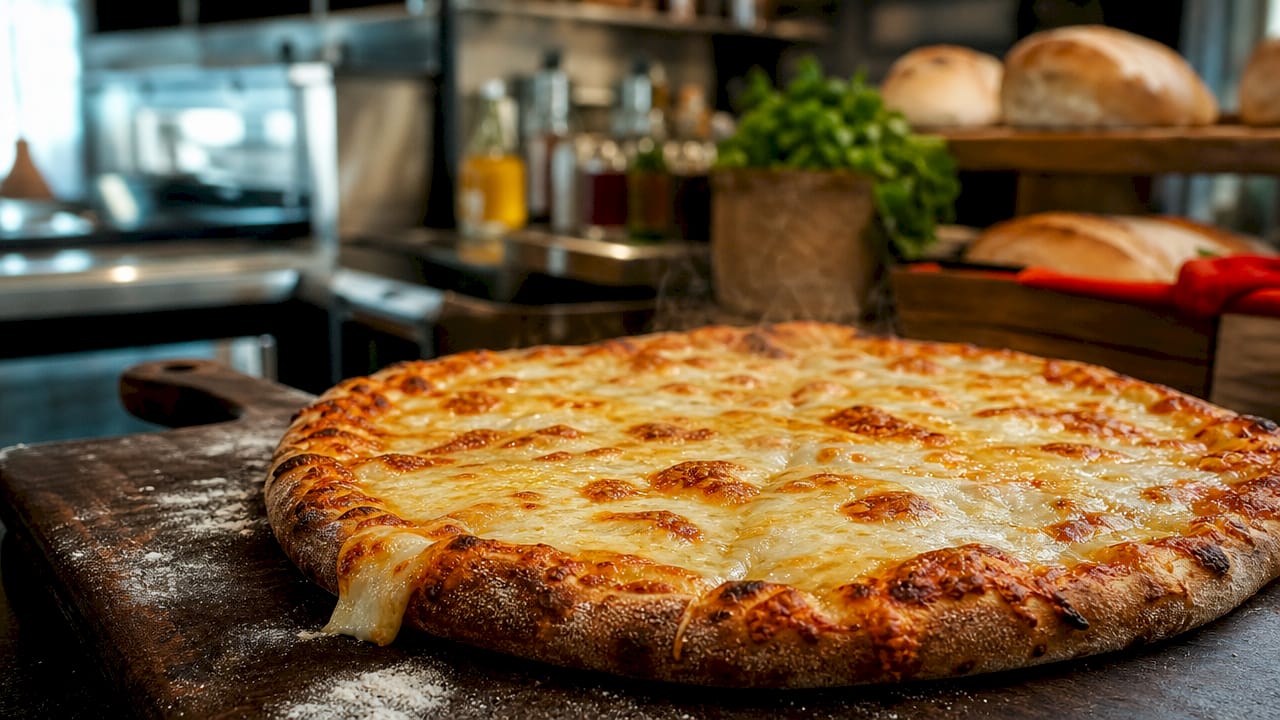
Single-cheese pizzas are rarely the best pizzas. Blending creates a more complete flavour profile and controls melt, browning, and stretch simultaneously.
The most reliable blend for gourmet white pies uses 60–70% mozzarella, 20–30% fontina, and 5–10% aged asiago or parmesan. Mozzarella provides the structural melt and stretch. Fontina adds creaminess and fills in the flavour gaps. Asiago or parmesan contributes the nutty, salty finish that makes each bite feel complete.
Adding 10–20% provolone to a mozzarella base enhances browning and cuts through rich sauces with its sharp, pungent edge. This is particularly effective on meat-heavy pizzas where fat from toppings can make the overall flavour feel heavy.
| Blend ratio | Melt quality | Browning | Flavour profile |
|---|---|---|---|
| 100% mozzarella | Even, stretchy | Moderate | Mild, milky |
| 70% mozzarella + 30% fontina | Creamy, smooth | Low to moderate | Buttery, nutty |
| 70% mozzarella + 20% provolone + 10% asiago | Stretchy with body | High | Sharp, complex, savoury |
| 60% mozzarella + 20% fontina + 10% provolone + 10% parmesan | Layered, rich | High | Full-bodied, aromatic |
The principle of flavour in layers applies directly here. Mozzarella handles texture. Sharp cheddar or provolone deepens the mid-palate. Parmesan or pecorino finishes with aroma and salt.
Pro Tip: Add parmesan or pecorino after the pizza comes out of the oven, not before. Heat destroys their aromatic compounds and turns them bitter. A light grating over a hot slice releases their full fragrance without any bitterness.
3. How cheese variety choices depend on pizza style and baking environment
Pizza cheese is a system. The cheese you choose must match your oven, not just your taste preferences.
Fresh mozzarella suits wood-fired ovens above 700°F, where the intense heat evaporates its excess moisture almost instantly. In a standard home oven at 450–500°F, that same moisture pools on the crust and produces sogginess. Home cooks using fresh mozzarella in moderate ovens risk exactly that result unless they drain it thoroughly and use it sparingly.
Low-moisture mozzarella is suited for deck ovens and home bakes because its protein and fat structure handles longer bake times without releasing water. This makes it the practical choice for most pizza enthusiasts working outside a professional kitchen. Pairing it with the right toppings on a well-made base, like Hellcrustpizza's Biga multigrain dough, amplifies the result further.
Cheese choices by pizza style and oven type:
- Neapolitan (wood-fired, 700°F+): Fresh mozzarella (drained), torn by hand. Finish with fresh basil and a drizzle of gourmet olive oil for brightness. Pairing with quality gourmet olive oil deepens the flavour considerably.
- New York-style (deck or home oven, 450–550°F): Low-moisture whole-milk mozzarella, blended with 10–15% provolone for browning and flavour.
- White pies (home oven, 450–500°F): Fontina-forward blend with mozzarella base, finished with grated asiago or parmesan post-bake.
- Gourmet meat pizzas: Mozzarella base with provolone for sharpness, scamorza for smokiness, and pecorino added after baking.
- Finishing cheeses (all styles): Pecorino Romano and Parmigiano Reggiano should always be grated and added after baking to prevent burning and preserve their aromatic qualities.
Matching cheese to oven type is not optional for gourmet results. It is the difference between a pizza that looks right and one that tastes right.
4. Unique and gourmet cheese pairings to elevate pizza flavour
The most memorable gourmet pizzas use at least one cheese that surprises the palate. These are the varieties worth experimenting with once you have the fundamentals in place.
Gouda (smoked or aged): Gouda melts beautifully and adds a caramel-like sweetness when smoked. It pairs well with caramelised onions, pears, and walnuts on white pies. Aged gouda becomes firmer and more crystalline, contributing a butterscotch depth that contrasts well with bitter greens like rocket.
Gruyère: A Swiss classic with a complex, slightly sweet and nutty flavour. Gruyère melts evenly and does not become greasy, making it an excellent partner for mozzarella on mushroom or truffle-based pizzas. It holds its character even at higher oven temperatures.
Scamorza: This dried, sometimes smoked cousin of mozzarella has a firmer body and a more pronounced flavour. It melts into a golden, slightly chewy layer that adds texture variety. Scamorza works particularly well on pizzas with speck, nduja, or roasted peppers.
| Cheese | Moisture | Fat | Flavour notes | Best use on pizza |
|---|---|---|---|---|
| Smoked gouda | Medium | High | Caramel, smoky | White pies, fruit-topped |
| Gruyère | Low-medium | High | Nutty, sweet | Mushroom, truffle |
| Scamorza | Low | Medium | Smoky, milky | Cured meat, roasted veg |
| Burrata | Very high | Very high | Creamy, fresh | Post-bake finishing |
| Aged asiago | Very low | Medium | Sharp, nutty | Finishing, blends |
Burrata, containing stracciatella cream, should never meet oven heat. Place it torn over the pizza the moment it comes out, and let residual warmth do the work. The result is a luxurious, creamy finish that no baked cheese can replicate.
Pro Tip: Balance strong cheeses with milder ones in a 70/30 ratio. A pizza that is all gruyère or all gouda becomes one-dimensional. Let mozzarella carry the base, and let the bolder cheese be the accent.
Pairing these cheeses with thoughtfully chosen toppings and a quality base, such as one built on a multigrain pizza base, creates a pizza where every element earns its place.
Key takeaways
The best gourmet pizzas use cheese blends, not single varieties, matched carefully to oven type, pizza style, and flavour intent.
| Point | Details |
|---|---|
| Mozzarella is the foundation | Low-moisture whole-milk mozzarella provides the stretch, melt, and browning base for most gourmet builds. |
| Blends outperform single cheeses | A 60–70% mozzarella base blended with fontina, provolone, and aged hard cheeses creates layered flavour. |
| Oven type dictates cheese choice | Fresh mozzarella needs 700°F+ heat; low-moisture mozzarella suits home ovens at 450–500°F. |
| Hard cheeses belong after baking | Parmigiano Reggiano and Pecorino Romano should be grated on after baking to preserve aroma and avoid bitterness. |
| Burrata is a finishing cheese only | Burrata should be torn over a hot pizza post-bake; baking it destroys its creamy texture entirely. |
What I have learned from years of thinking about pizza cheese
A cheesemaker's truth most pizza guides skip
The most common mistake I see is treating cheese as a topping rather than a structural ingredient. Cheese is not decoration. It is the layer that binds every other element together, and when it is wrong, nothing else on the pizza can save it.
The second mistake is buying the wrong grade of mozzarella. Supermarket shredded mozzarella contains anti-caking agents that prevent proper melt and browning. Whole-milk blocks, sliced or hand-torn, behave entirely differently under heat. If you are serious about gourmet results at home, sourcing from a cheese shop or a quality deli counter is worth every extra dollar.
My honest advice for home cooks is to start with a simple mozzarella and fontina blend before experimenting with gruyère or gouda. Get the base right first. Once you understand how those two cheeses interact in your specific oven, adding a third or fourth variety becomes intuitive rather than guesswork. Exploring date night pizza pairings is a great way to practise blending in a low-pressure setting.
The other thing I would tell any enthusiast: do not skip the post-bake finish. A light grating of Parmigiano Reggiano over a hot slice changes the entire aromatic experience. It costs almost nothing extra and makes the pizza taste like it came from somewhere that genuinely cares about craft.
— jaskirat
Hellcrustpizza and the craft behind every cheese blend
At Hellcrustpizza, cheese selection is not an afterthought. Every pizza is built on a Biga multigrain dough that is free of artificial additives, and the cheese blends are chosen to complement that base rather than overpower it.

The result is a melt and flavour profile that holds up whether you are ordering a classic or one of the Mix & Match specials. Hellcrustpizza's commitment to fresh ingredients means the cheese you taste is doing exactly what it should: stretching, browning, and finishing with the kind of depth that keeps you coming back. If you want to experience what thoughtfully chosen gourmet pizza cheese tastes like without building it yourself, Hellcrustpizza is the honest answer. Check out the current pizza deals and coupons to try a gourmet build at a price that makes sense.
FAQ
What is the best cheese for gourmet pizza?
Low-moisture whole-milk mozzarella is the best single cheese for gourmet pizza, offering consistent melt, stretch, and browning at 450–500°F. Blending it with fontina and a small amount of aged parmesan creates a more complex, layered flavour.
Why do gourmet pizzas use cheese blends instead of one cheese?
Cheese blends balance melt, browning, and flavour in ways a single variety cannot. A blend of mozzarella, fontina, and provolone delivers stretch, creaminess, and sharpness in every bite.
Can you use fresh mozzarella in a home oven?
Fresh mozzarella works best in wood-fired ovens above 700°F. In a standard home oven, its high moisture content pools on the crust and causes sogginess; low-moisture mozzarella is the better choice.
When should you add parmesan or pecorino to pizza?
Hard cheeses like Parmigiano Reggiano and Pecorino Romano should be grated over the pizza after baking. Baking them causes bitterness and destroys their aromatic qualities.
How do you use burrata on pizza?
Burrata should never be baked. Tear it over the pizza immediately after it comes out of the oven and let the residual heat soften it into a creamy, rich finish.