Meal deals typically cost less than buying the same items separately, and the savings come from a handful of mechanics working together. Fixed-price bundling sets a single fee that replaces the sum of individual shelf prices. Retailers include at least one high-margin filler item to protect their gross margin while still advertising a meaningful discount. Loyalty-card pricing then lowers the effective cost further for members. The result, for a shopper who picks strategically, is a genuinely lower out-of-pocket spend on a complete meal.
Here is what that means in practice, right now:
- Pick the priciest items in the bundle. The fixed price stays the same whether you choose the cheapest or most expensive included option.
- Scan your loyalty card every time. Member pricing often changes the effective cost more than the headline bundle discount does.
- Check shelf-edge exclusions before you commit. Premium items and branded drinks are frequently carved out of the deal.
- Do a 60-second price check. Add up the à la carte prices of your chosen items and compare to the bundle fee. If the saving is below roughly 15%, the deal is mainly convenience, not meaningful cost reduction.
Key takeaways
Meal deals reduce food costs by replacing individual shelf prices with a fixed bundle fee, and the saving is real when you choose the most expensive included items and scan your loyalty card every time.
| Point | Details |
|---|---|
| Fixed-price bundling creates real savings | The bundle fee is typically lower than the à la carte total, especially when you choose pricier included items. |
| Loyalty cards change the effective cost | Member pricing often delivers a deeper discount than the headline bundle rate alone. |
| The 60-second price check is non-negotiable | Add up individual shelf prices and compare; a saving below roughly 15% means you are paying mainly for convenience. |
| Meal planning cuts spending by 15–20% long-term | For families and regular home cooks, planning complements meal deals rather than replacing them. |
| Hellcrustpizza bundles follow the same mechanics | Family bundles, Mix & Match options, and app coupons stack to lower the per-person cost on every order. |
Table of Contents
- What is a meal deal and how is it structured?
- How does bundling actually lower the price you pay?
- Concrete ways meal deals reduce costs for shoppers
- Why do retailers offer meal deals in the first place?
- How to check whether a meal deal is actually saving you money
- Smart shopper tips for Canadians to get the most from meal deals
- When do meal deals beat meal planning, and when does planning win?
- How Hellcrustpizza's deals show the same saving mechanics
- The part of meal-deal advice most people get wrong
- Hellcrustpizza brings the same bundle value to your door
- Sources
What is a meal deal and how is it structured?
A meal deal is a fixed-price bundle, most commonly sold at convenience retailers, supermarkets, and quick-service restaurants, that groups a main item, a snack, and a drink into one purchase at a set price lower than the combined individual prices. The format is simple by design: you choose one item from each category, pay a single amount, and walk away with a complete meal.
The typical components look like this:
- Main: sandwich, wrap, salad, or hot item
- Snack: crisps, fruit, yogurt, or a sweet treat
- Drink: bottled water, juice, soft drink, or coffee
Variations are common. Premium tiers let you upgrade to a hot main or a branded drink for a small upcharge. Family bundles scale the same logic to multiple mains and sides. App-only or loyalty-member pricing layers an additional discount on top of the base bundle price, which is where the real savings often live.
Pro Tip: Before assuming a deal applies to the item you want, check the shelf-edge label carefully. Exclusions for premium items are printed in small type, and missing them means paying more than you expected at the till.
How does bundling actually lower the price you pay?
The mechanics behind bundle pricing are worth understanding because they explain both when a deal is genuinely good value and when it is mostly theatre.
Fixed-price bundling works by replacing the sum of individual prices with a single set fee. Because that fee is almost always lower than the à la carte total, the shopper sees a nominal saving. IGD retail analysts note that the predictability of a fixed price is itself valued by consumers during economic uncertainty, acting as a behavioural nudge toward food-to-go spending even when absolute savings vary. Knowing exactly what you will spend before you reach the till matters to shoppers on a tight budget.
Retailers manage this through several levers:
- Gross margin protection: at least one item in the bundle typically carries a high margin (a branded drink or a packaged snack), which offsets the discount on the main item.
- Basket-size growth: a shopper who came in for a sandwich now buys three items instead of one.
- Short-dated stock movement: near-expiry mains are ideal candidates for bundle inclusion, reducing waste costs.
- Loyalty-card segmentation: member pricing lets retailers offer a deeper discount to identified customers while charging non-members the standard bundle rate.
The consumer lever is straightforward. Which? found that choosing the most expensive included items is the standard rule for maximising savings, and that loyalty-card holders typically see noticeably lower effective prices. A shopper who picks the cheapest sandwich and a bottle of tap water is leaving value on the table.
Concrete ways meal deals reduce costs for shoppers
The most direct saving shows up at the till: the bundle price is lower than the combined shelf prices of the same items bought separately. That gap is the nominal saving, and it is real, though its size depends on which items you choose and whether you hold a loyalty card.
Beyond the price tag, there are a few other ways the format works in your favour:
- Time savings have real value. A meal assembled in 90 seconds at a grab-and-go counter costs you less decision-making time than building a lunch from scratch. For busy workdays, that convenience is worth something, even if the pure cost saving is modest.
- Portioning reduces waste. A pre-portioned bundle means you buy exactly what you plan to eat. Buying components separately often means purchasing larger quantities than a single meal requires.
- Loyalty rewards compound. Every scan adds points or unlocks member pricing. MoneySaverCodes emphasises that scanning your loyalty card and checking shelf-edge exclusions are the two actions that most reliably change the effective cost of a deal.
Pro Tip: When choosing your bundle, start with the drink. Branded juices and specialty coffees are often the highest-priced included option and the easiest way to increase your nominal saving without changing what you actually want to eat.
Why do retailers offer meal deals in the first place?
Retailers do not offer meal deals out of generosity. The format serves their business interests in ways that make the deals sustainable over time, which is good news for shoppers because it means the offers keep coming.
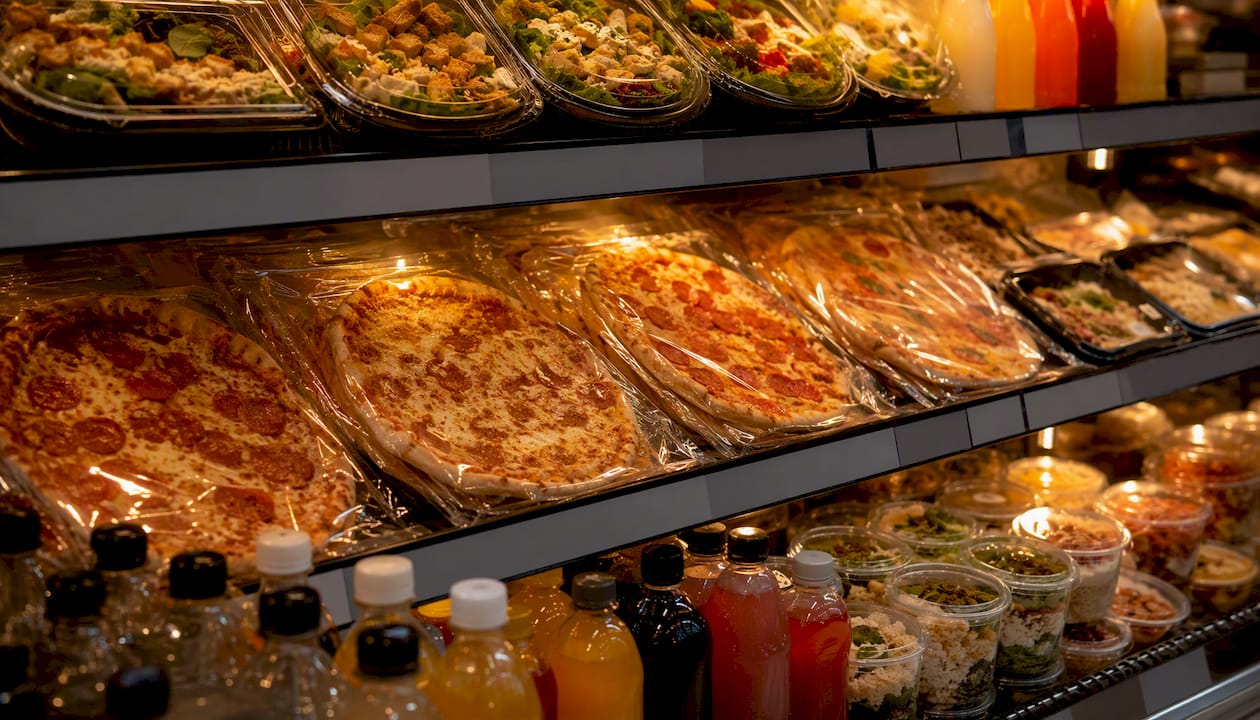
The core incentives are straightforward. Bundling near-expiry mains into a deal moves short-dated inventory before it becomes waste, cutting disposal costs. A shopper who enters a store for a single sandwich leaves with three items, raising the average basket size. Loyalty-programme integration turns every deal purchase into a data point: the retailer learns what you buy, when, and how often, which feeds customer segmentation and targeted promotions.
Margin management is the subtler piece. MoneySaverCodes notes that retailers routinely include at least one high-margin item or branded product in a bundle to preserve overall gross margin while advertising a strong comparative saving. The deal looks generous on the headline; the margin is protected by the snack or drink you barely thought about choosing.
How to check whether a meal deal is actually saving you money
The 60-second price check is the single most useful habit a deal-conscious shopper can build. Here is the procedure:
- Scan your loyalty card or open the retailer's app before you start choosing items. Member pricing may change the bundle fee itself.
- Note the shelf price of each item you plan to choose: main, snack, and drink.
- Add those three prices together.
- Compare the total to the bundle price. If the bundle costs less, you have a real saving. If the saving is below roughly 15%, the deal is delivering convenience more than meaningful cost reduction.
- Check the exclusions list on the shelf-edge label or in the app. Confirm your chosen items are actually included.
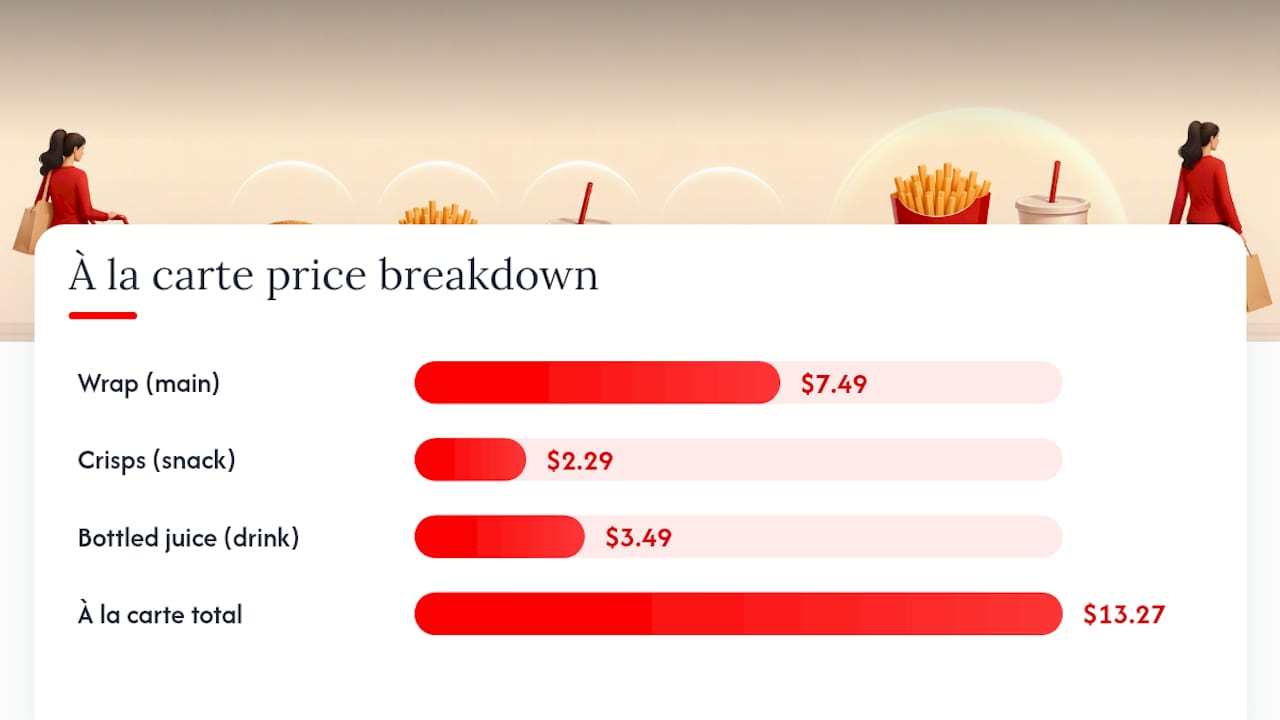
Worked example (Canadian dollars): Suppose a wrap is priced at $7.49, a bag of crisps at $2.29, and a bottled juice at $3.49. The à la carte total is $13.27.
Common traps to watch for:
- Premium item exclusions: hot mains, specialty coffees, and name-brand drinks are frequently excluded or subject to an upcharge.
- Swap fees: substituting a standard snack for a premium one often adds $0.50–$1.00 to the bundle price.
- Regional pricing differences: bundle prices vary by location. A cross-retailer price comparison by The Independent showed that headline savings differ meaningfully from store to store, so a deal that is excellent at one location may be marginal at another.
A cost analysis on EatHealthy365 found that family-style bundles can sometimes cost substantially more than homemade equivalents, and warned that low-cost filler items inflate perceived bundle value. Running the 60-second check protects you from that trap.
Smart shopper tips for Canadians to get the most from meal deals
Getting genuine value from a meal deal takes about one minute of attention and a few consistent habits.
- Always pick the most expensive main, snack, and drink that you actually want to eat. The fixed price does not change, so a pricier selection increases your saving without costing you more.
- Use the retailer's loyalty app and scan every single time. Points accumulate faster than most shoppers expect, and member-only prices on bundles are often the deepest discount available.
- Time your purchase for markdown windows. Many retailers discount near-expiry mains in the late afternoon. A marked-down main bought à la carte can sometimes beat a bundle price outright.
- Compare against a DIY combo from a discount grocer. If you are buying lunch near a No Frills or FreshCo, a self-assembled combo of deli items and a drink may undercut even a well-chosen meal deal. The bundle wins on speed; the DIY combo sometimes wins on cost.
Pro Tip: Plan your meal-deal days at the start of the week. If you know Tuesday and Thursday are busy office days, slot those as deal days and batch-cook for the rest of the week. That combination, covered in more depth in our guide on meal planning with pizza delivery, tends to deliver the best of both worlds: convenience when you need it and real savings when you have time to cook.
When do meal deals beat meal planning, and when does planning win?
These two strategies are not rivals. They solve different problems, and the smartest shoppers use both.
Meal planning consistently cuts household food spending by roughly 15–20% for households that use it regularly, making it the stronger long-term lever for reducing grocery expenses. Planning also gives you full nutritional control, eliminates impulse purchases, and scales well for families. The trade-off is time: building a weekly plan, shopping to it, and batch-cooking takes real effort upfront.
Meal deals win on a different axis. They require zero preparation, deliver a complete meal in under two minutes, and offer predictable spending on days when planning breaks down. For a single workday lunch or an unplanned dinner, a well-chosen bundle is almost always cheaper than buying components separately at a convenience store.
The decision rules are practical:
- Choose meal deals for busy weekday lunches, single-person meals, and days when cooking is not realistic.
- Choose meal planning for family weekly groceries, batch cooking, and any week where you have two or three hours to invest upfront.
- Combine both by planning your week, identifying two or three days where a deal makes sense, and cooking for the rest. Meal-prep techniques that reduce waste pair naturally with this hybrid approach, keeping both costs and food waste low across the week.
How Hellcrustpizza's deals show the same saving mechanics
Hellcrustpizza's bundle offers are a practical, local illustration of every principle covered above. The same fixed-price bundling logic, strategic item inclusion, and app-loyalty layer that make a supermarket meal deal work are all present in how Hellcrustpizza structures its deals for Canadian customers.
The core formats include:
- Family bundles: a fixed price covering multiple pizzas and sides, priced below the sum of individual items. The types of family pizza bundle deals Hellcrustpizza offers are designed so that choosing larger or premium pizzas within the bundle increases the nominal saving.
- Mix & Match options: customers select from a defined range of pizzas, pastas, and sides at a set bundle price, which mirrors the main-snack-drink structure of a convenience meal deal.
- App-exclusive coupons: the Hellcrustpizza app surfaces member-only pricing and limited-time deals that are not available at the standard menu price, functioning exactly like a loyalty-card tier.
To verify your saving on a Hellcrustpizza order, run the same 60-second check: note the individual menu prices of the items in your chosen bundle, add them up, and compare to the bundle price. Then check whether an app coupon applies on top. Stacking a bundle price with an app coupon is the most reliable way to maximise value.
Pro Tip: Check the Hellcrustpizza coupons page before you finalise your order each week. App-exclusive deals rotate regularly, and combining a family bundle with an active coupon can bring the per-person cost down to a level that competes directly with a supermarket meal deal.
The part of meal-deal advice most people get wrong
Most articles on meal deals stop at "pick the most expensive item." That is correct, but it misses the more interesting question: when is a meal deal actually the right tool?
The honest answer is that meal deals are a convenience product with a cost-saving veneer. The saving is real, but it is modest. A well-chosen bundle at a Canadian convenience retailer might save you $2.00–$3.00 compared with buying the same items separately. That is meaningful over a working week, but it is nowhere near the 15–20% reduction that regular meal planning delivers on total household food spend. Treating meal deals as a primary budget strategy is like optimising your coffee order while ignoring your grocery bill.
What the conventional advice also underplays is the loyalty-data exchange. Every time you scan a card to unlock member pricing, you are trading purchase data for a discount. That is a fair trade for most shoppers, but it is worth knowing that the "deal" is partly funded by the value of your buying behaviour to the retailer.
The approach worth prioritising: use meal planning as your foundation, slot meal deals into the days where planning genuinely breaks down, and run the 60-second price check every time. The check takes less than a minute and is the single habit that separates shoppers who actually save money from those who feel like they are saving money.
Hellcrustpizza brings the same bundle value to your door
Spending less on a satisfying meal should not mean settling for less quality. Hellcrustpizza's family bundles and Mix & Match deals are built on the same fixed-price bundling mechanics this article unpacks, with the added advantage of Biga multigrain, additive-free dough that you simply will not find in a convenience-store grab-and-go. For families and busy professionals who want a wholesome, crafted meal at a price that makes sense, the value is in the bundle structure and the ingredients together.
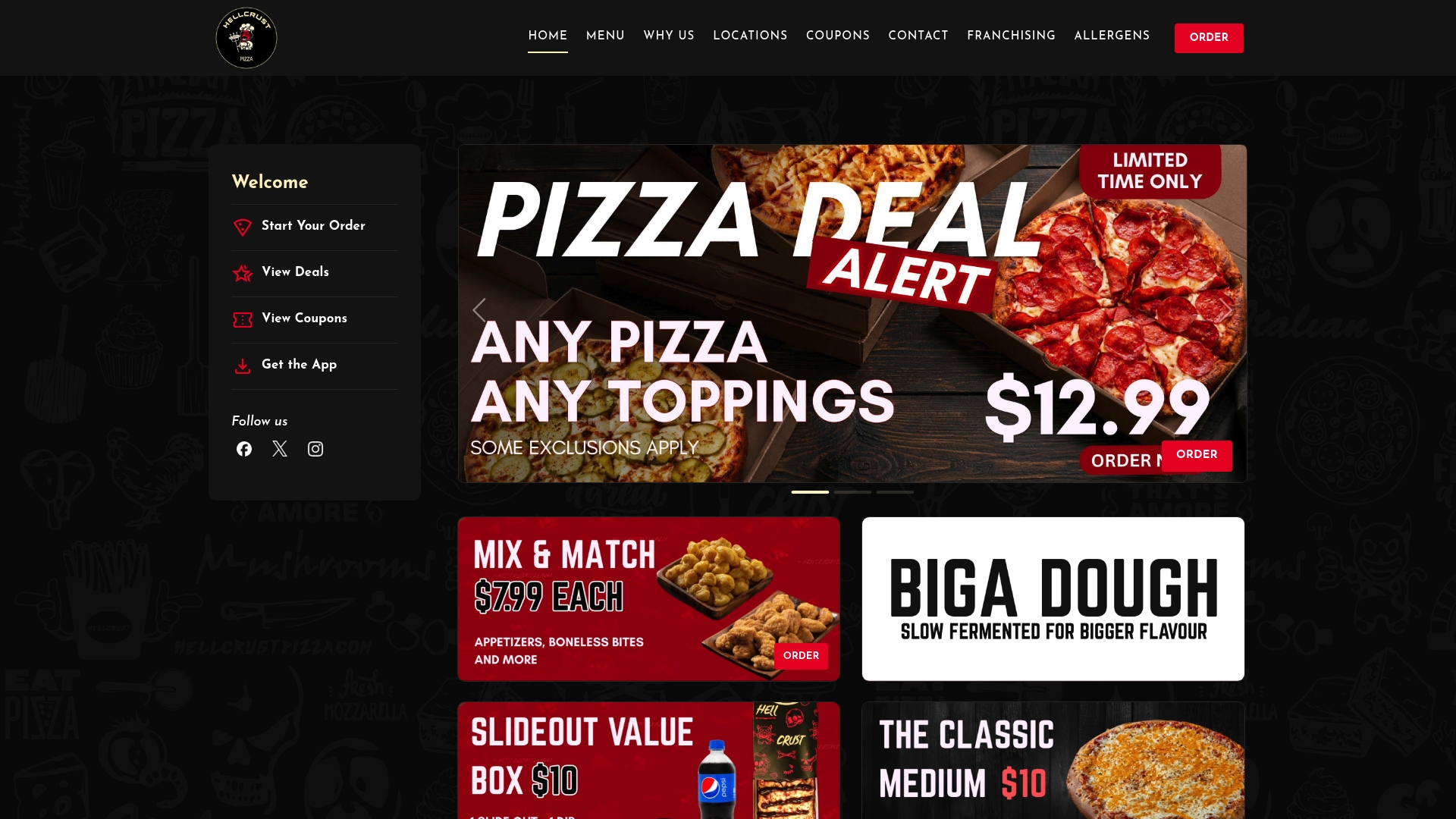
The app makes the saving transparent: browse the current family bundles, note the individual item prices, and watch the gap between the à la carte total and the bundle price. Stack an app-exclusive coupon on top and the per-person cost drops further. Browse the current Hellcrustpizza coupons and deals to see what is live this week and place your order directly through the app.
Sources
- Evolving meal deals from a lunchtime staple to an all-day strategy
- Tesco hikes meal deal prices - is it still good value for lunch? - Which?
- Best meal deals UK
- How Much Money Does a Family Meal Deal Really Save?
- How To Reduce Food Spending: 2026 Guide | Family Credit