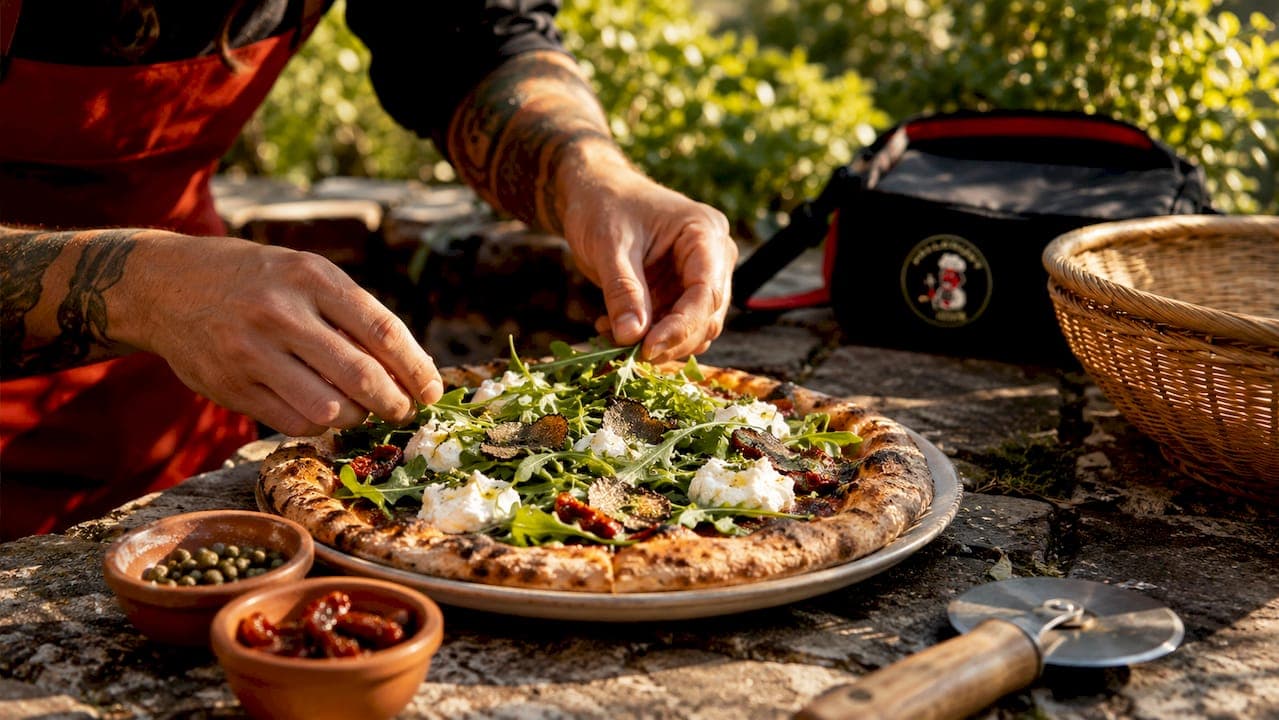
Premium pizza toppings are specially chosen ingredients that transform an ordinary pizza into a gourmet creation through superior flavour, texture, and visual appeal. These are not simply expensive additions. They are ingredients selected for their origin, freshness, artisan preparation, and ability to contribute to a coherent flavour story. We are seeing a genuine shift in how pizza lovers approach their orders, with 43% of consumers actively seeking adventurous new flavour profiles. That appetite is exactly what premium toppings are built to satisfy.
What are premium pizza toppings and what qualifies as one?
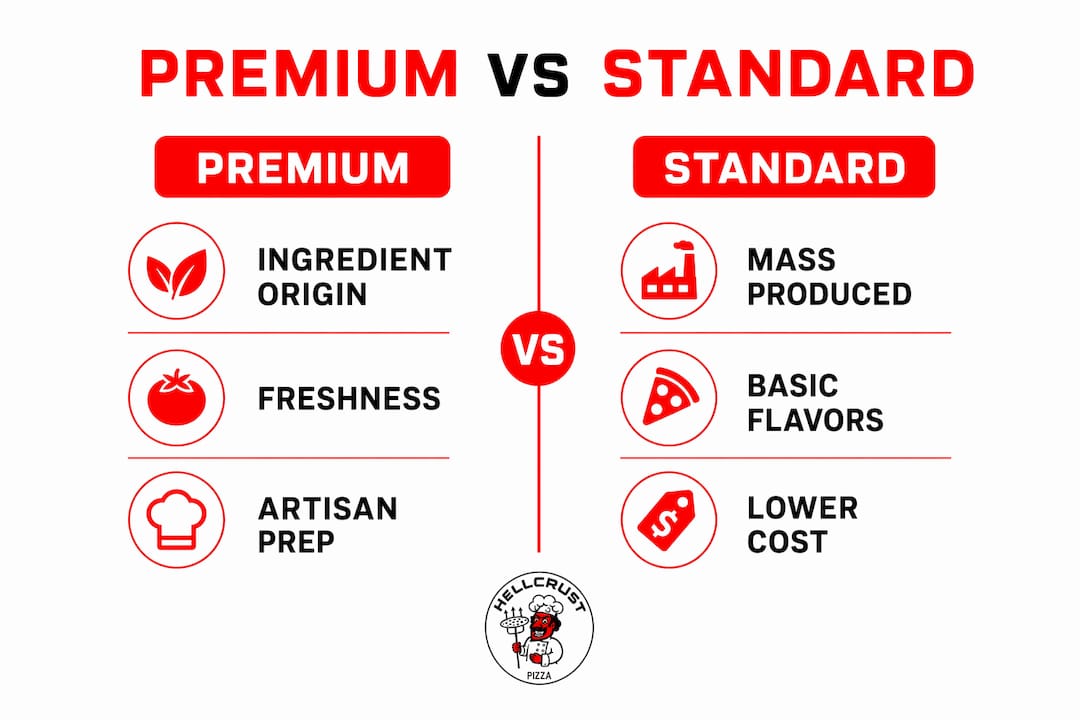
Premium pizza toppings are defined by four qualities: ingredient origin, freshness, artisan preparation, and flavour contribution. A standard topping fills space on a pizza. A premium topping earns its place by adding a distinct layer of taste, texture, or aroma that the pizza could not achieve without it.
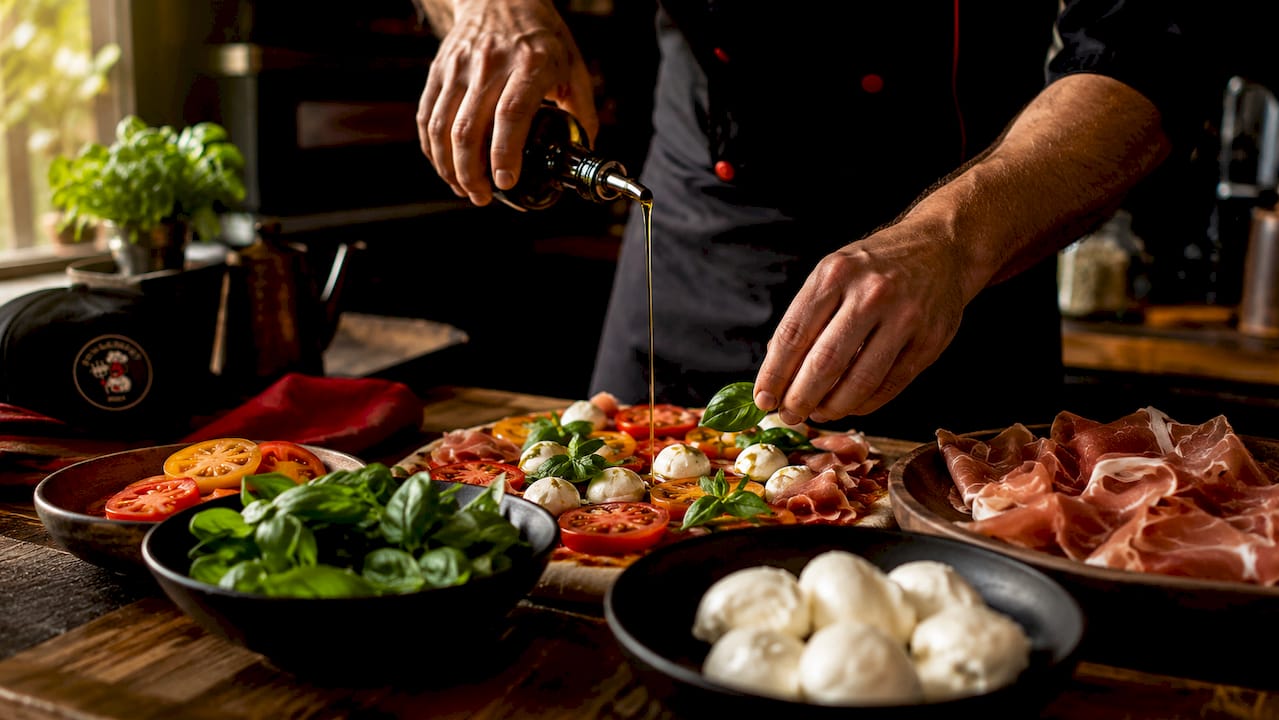
The most celebrated gourmet toppings share a few traits. They come from a specific place or producer. They are handled with care, often added at a precise moment during or after baking. And they work in harmony with the other ingredients rather than competing for attention.
Here are the toppings that consistently define the gourmet pizza category:
- Burrata — a fresh Italian cheese with a creamy, yielding centre that melts beautifully when placed on a hot pizza post-bake
- Prosciutto di Parma — dry-cured Italian ham with a delicate, salty sweetness that crisps lightly under heat or stays silky when added after baking
- Truffle oil or shaved truffle — earthy, intensely aromatic, and best used sparingly over a white base
- Brisket — a slow-smoked premium protein that is emerging as a standout topping in 2026 alongside global fusion ingredients
- Indian-inspired spices and chutneys — a category that has grown 98% over four years, reflecting a genuine consumer appetite for passport-style pies
- Calabrian chilli — a bold, fruity heat from southern Italy that adds complexity without overwhelming
- Arugula — peppery, fresh, and best scattered post-bake to preserve its bite and colour
- Lemon zest — a finishing touch that brightens rich, fatty toppings with a clean citrus lift
The cost of these ingredients is real. Gourmet toppings increase production costs by 20–50% compared to standard ingredients. That cost increase reflects sourcing standards, shorter shelf lives, and the care required in handling.
Pro Tip: When you spot a topping listed with its region of origin, such as "Prosciutto di Parma" rather than just "cured ham," that specificity is a reliable signal of genuine quality.
How do premium toppings influence pizza flavour?
Gourmet pizzas focus on flavour architecture, balancing contrasts rather than relying on expensive ingredients alone. The best premium pizzas are built around five sensory contrasts: fat versus acidity, salt versus sweetness, crunch versus creaminess, heat versus cool, and richness versus brightness. Every topping should serve at least one of these contrasts.
The sequence in which toppings are applied matters as much as the ingredients themselves. Some toppings belong in the oven. Others belong on top of a finished, rested pizza. Getting this wrong is the most common mistake even experienced home cooks make.
Here is a practical sequence for building a premium pizza:
- Start with a considered base. A white base (olive oil and garlic) suits delicate toppings like burrata and truffle. A tomato base supports bolder proteins like brisket or Calabrian chilli.
- Choose one hero topping. Build the flavour story around a single standout ingredient. Everything else supports it.
- Add bake-stable toppings before the oven. Cheeses, cured meats that you want crisped, and vegetables that benefit from roasting all go on before baking.
- Reserve delicate toppings for post-bake. Prosciutto and lemon zest taste brighter when added after baking. Burrata and arugula lose their character entirely if they go in the oven.
- Finish with a flavour bridge. A drizzle of good olive oil, a scatter of fresh herbs, or a pinch of flaky salt ties the whole pizza together.
Global and fusion toppings add a layer of adventure that purely Italian combinations cannot always deliver. Indian-inspired toppings, for instance, bring spice layering and aromatic depth that create a genuinely different eating experience. That novelty is part of the premium value.
Pro Tip: Taste each topping on its own before building your pizza. If a topping is bland by itself, it will disappear on a pizza. If it is extraordinary on its own, it will shine.
How to select and pair premium pizza toppings effectively
The single most important rule in premium topping selection is restraint. Best premium pizzas use 2–5 toppings to maintain structure and focus. More than five toppings creates what chefs call the "overload trap," where flavours compete, moisture builds up, and the crust becomes soggy. Less is genuinely more here.
Pairing works on two principles: contrast and complement. Contrasting pairings place opposing flavours or textures together, such as salty prosciutto against sweet fig, or rich burrata against peppery arugula. Complementary pairings reinforce a central flavour theme, such as earthy mushrooms with truffle oil and aged Parmesan. Both approaches work. The mistake is mixing both strategies on the same pizza without a clear anchor.
For guidance on which cheeses support these combinations, the gourmet pizza cheese guide from Hellcrustpizza covers the full range of options worth knowing.
| Pairing | Why it works | Common mistake to avoid |
|---|---|---|
| Prosciutto + arugula + lemon zest | Salt, pepper, and acid create a clean, bright finish | Adding mozzarella, which mutes the brightness |
| Truffle oil + wild mushrooms + Parmesan | Earthy depth layered with umami and salt | Using too much truffle oil, which turns bitter |
| Brisket + pickled red onion + smoked gouda | Smoke, fat, and acid balance a rich protein | Overloading with sauce, which makes the crust wet |
| Burrata + roasted tomato + fresh basil | Creamy, sweet, and herbal in a classic Italian arc | Baking the burrata, which destroys its texture |
| Calabrian chilli + honey + ricotta | Heat, sweetness, and cool creaminess in one bite | Pairing with a heavy tomato base that clashes |
The base and sauce are not afterthoughts. A multigrain or Biga-fermented base, like the one Hellcrustpizza uses, adds a nutty, slightly tangy flavour that supports premium toppings without overpowering them. For practical guidance on pairing toppings on a multigrain base, that resource walks through the specific contrasts that work best.
- Choose your base before your toppings, not after
- Match sauce weight to topping weight: light toppings need a light base
- Use one strong cheese and one accent cheese at most
- Leave space on the pizza: bare crust is not a flaw, it is structure
Why do premium toppings justify a higher price?
Premium toppings justify their price through three factors: sourcing transparency, craftsmanship, and flavour density. A single slice of a well-made truffle and burrata pizza delivers more sensory satisfaction than three slices of a heavily loaded standard pizza. That flavour density is the real value exchange.
Menu storytelling with ingredient transparency increases consumer willingness to pay premium prices. When a menu names the farm, the region, or the ageing process behind an ingredient, it signals genuine care. Consumers are increasingly able to tell the difference between real craftsmanship and marketing language dressed up as quality.
True premiumisation is achieved through transparent storytelling, including ingredient provenance and artisan techniques, not just high-cost ingredients. A pizza built on a long-fermented Biga dough with three carefully sourced toppings is more premium than one piled with expensive ingredients on a forgettable base.
Here is how to identify genuine premium offerings versus marketing hype:
- Named origins beat vague descriptors. "San Marzano tomatoes" means something. "Premium tomato sauce" means nothing.
- Shorter ingredient lists signal confidence. A pizza that needs twelve toppings to justify its price is hiding a weak foundation.
- Post-bake additions signal technique. Any pizzeria that adds burrata or fresh herbs after baking understands flavour.
- Fermented or heritage dough is a real differentiator. Biga and sourdough bases take 24–72 hours to develop. That time investment shows up in the flavour.
You get what you pay for, but only when the producer knows what they are doing. The wisest approach is to order less and order better.
Key takeaways
Premium pizza toppings deliver genuine value through flavour architecture, ingredient provenance, and culinary technique rather than price alone.
| Point | Details |
|---|---|
| Definition of premium toppings | Premium toppings are defined by origin, freshness, artisan preparation, and flavour contribution. |
| Restraint is the rule | Limit toppings to 2–5 to prevent sogginess and maintain a focused flavour profile. |
| Timing changes everything | Delicate toppings like burrata and arugula must be added post-bake to preserve their quality. |
| Transparency signals quality | Named ingredient origins and fermented bases are reliable markers of genuine craftsmanship. |
| Global flavours are growing | Indian-inspired toppings have grown 98% over four years, showing that premium now includes world flavours. |
My honest take on premium toppings after years of eating pizza seriously
The most common mistake I see pizza lovers make is confusing expensive with premium. Truffle oil from a supermarket shelf is not the same as shaved fresh truffle. Prosciutto from a deli counter with no named origin is not the same as Prosciutto di Parma. The word "premium" gets applied so loosely that it has almost lost meaning in some menus.
What I have found actually works is this: start with the base. A pizza built on a properly fermented dough, one that has had time to develop real flavour, will make even modest toppings taste extraordinary. The Biga method, which uses a stiff pre-ferment left to mature for 24 hours or more, produces a crust with a rich, slightly nutty character that supports toppings rather than competing with them. Most people never think about the dough. That is exactly why the dough is where the real quality gap lives.
The second thing I have learned is that restraint is a skill. Choosing three toppings that work together perfectly is harder than piling on seven. It requires you to understand flavour contrast, to know which ingredients need heat and which need to stay cool, and to trust that a well-made pizza does not need to be busy to be satisfying. The pizzas I remember most are always the simple ones, made with ingredients that had a story worth telling.
My advice: next time you order or make a gourmet pizza, pick one topping you have never tried before and build the whole pizza around it. That single act of curiosity will teach you more about premium ingredients than any list ever could.
— jaskirat
Hellcrustpizza and the premium topping difference
At Hellcrustpizza, the commitment to quality starts before any topping touches the pizza. The foundation is a Biga multigrain dough, free from artificial additives, fermented to develop a rich and mature flavour that genuinely supports premium ingredients. Every topping is chosen to complement that base, not just to fill a menu description.
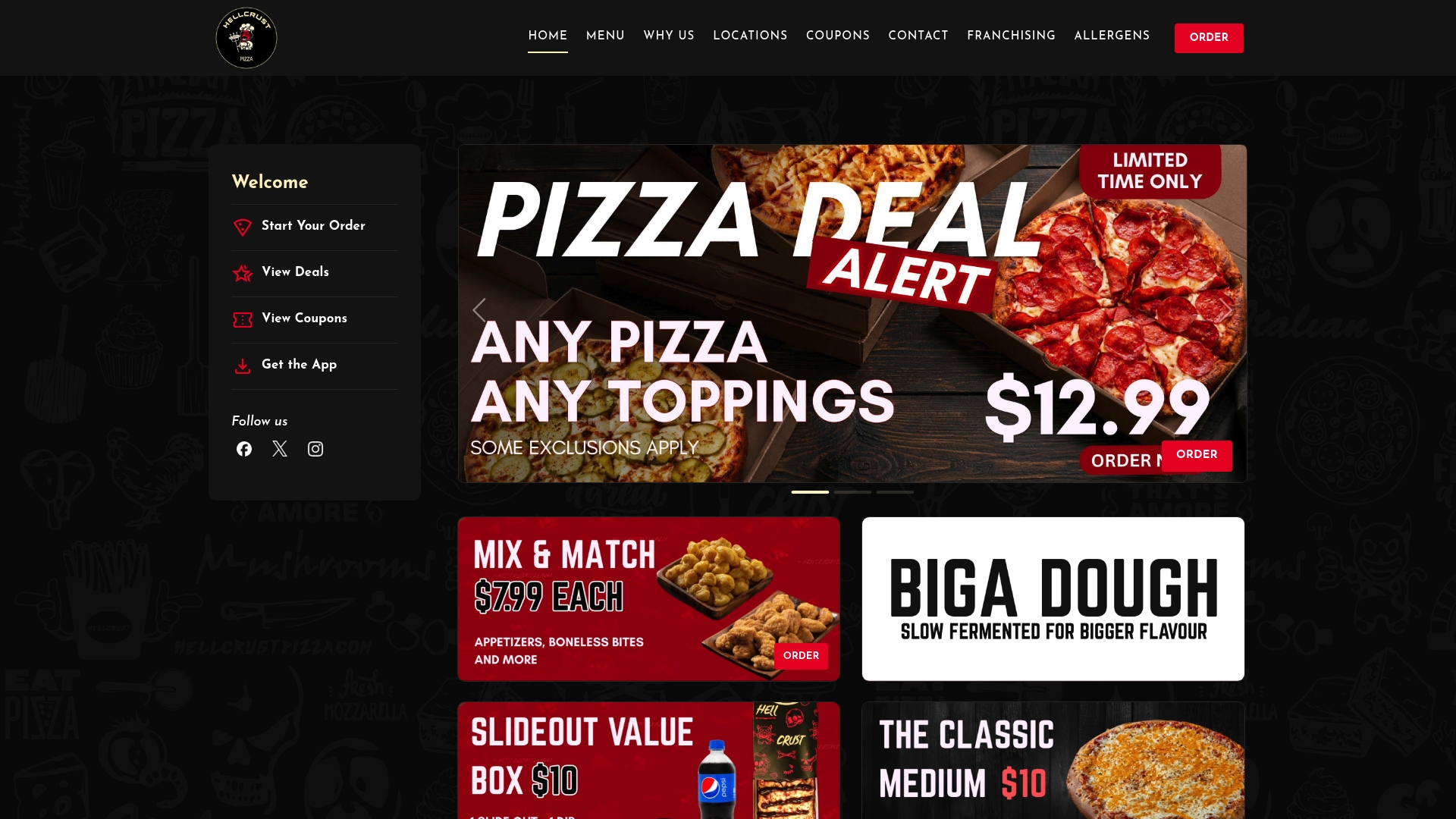
Whether you are drawn to bold global flavours, classic Italian combinations, or something entirely new, Hellcrustpizza offers customisable premium pizzas crafted with fresh, carefully sourced ingredients. The Mix & Match options and family-sized specials make it easy to explore gourmet toppings without compromise. If you are ready to taste what thoughtful ingredient selection actually feels like, your next order is waiting.
FAQ
What are premium pizza toppings exactly?
Premium pizza toppings are high-quality ingredients selected for their origin, freshness, and ability to contribute a distinct flavour or texture to a pizza. They differ from standard toppings through artisan preparation and a clear role in the pizza's overall flavour story.
How many premium toppings should a pizza have?
The best premium pizzas use 2–5 toppings to maintain structure and prevent flavour competition. More than five toppings risks sogginess and a muddled taste profile.
Why do gourmet toppings cost more?
Gourmet toppings increase production costs by 20–50% compared to standard ingredients, reflecting higher sourcing standards, shorter shelf lives, and careful handling requirements.
Which premium toppings should be added after baking?
Burrata, prosciutto, arugula, and lemon zest all taste better when added post-bake. Heat destroys the creamy texture of burrata and wilts arugula, while prosciutto and lemon zest lose their brightness in the oven.
What makes a pizza genuinely premium versus just expensive?
Genuine premium pizza is defined by craftsmanship in ingredient selection, long fermentation dough, seasonal sourcing, and a coherent culinary story. A pizza with named ingredient origins and a fermented base signals real quality far more reliably than a high price alone.