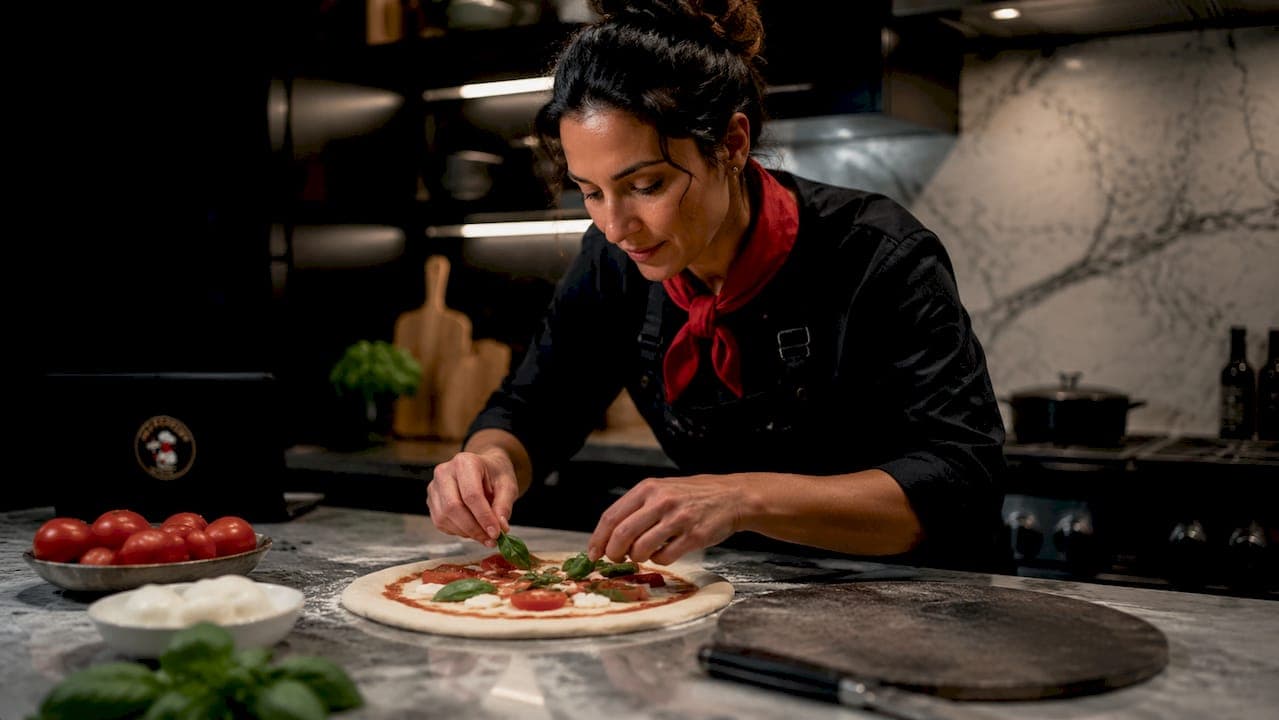
Fresh ingredients are the foundation of exceptional pizza, directly determining its flavour, texture, and how satisfying each bite feels. When you use wholesome, quality components, from the dough to the final drizzle of olive oil, the difference is unmistakable. This is why fresh ingredients matter for pizza in every meaningful sense: they shape the crust's character, the sauce's brightness, and the overall eating experience. At Hellcrustpizza, this principle drives every pizza we craft, from our additive-free Biga multigrain dough to our carefully chosen toppings.
Why fresh ingredients matter for pizza quality
The culinary term for ingredient freshness in pizza is "ingredient integrity," meaning each component retains its natural flavour compounds, moisture, and nutritional value at the point of use. Fresh ingredients deliver flavour that processed or frozen alternatives simply cannot replicate. A ripe tomato carries natural sugars and acids that create sauce depth. A block of fior di latte, used the same day it is made, melts into creamy pools rather than rubbery patches. Fresh herbs release volatile oils the moment heat touches them, filling your kitchen with aroma that pre-dried versions lost weeks ago.
Ingredient integrity also affects texture at every layer. Fresh dough, made without preservatives or artificial conditioners, develops a structure that bakes into something light and crisp rather than dense and chewy. Fresh toppings hold their moisture correctly, releasing steam during baking in a way that keeps the crust from going soggy. The relationship between fresh components is almost architectural: each one supports the others, and weakness in one layer undermines the whole.
You get what you pay for when it comes to pizza ingredients. Choosing fresh over convenient is a deliberate act of craft, and the results speak for themselves in every slice.
How does fresh dough affect pizza texture and digestion?
Natural fermentation is the process that separates great pizza dough from ordinary bread. When flour, water, yeast, and salt ferment slowly over many hours, the yeast and bacteria break down complex starches and gluten strands. This process, known as long fermentation or preferment, produces a dough that is lighter, more flavourful, and easier on digestion compared to rushed or additive-laden alternatives. The flavour develops from the inside out, building a mature, slightly tangy character that no flavour additive can fake.
Hellcrustpizza uses a Biga preferment method, which is a traditional Italian technique where a portion of the dough ferments separately before being incorporated into the final mix. This approach gives the crust a rich, mature flavour and an open, airy crumb structure. The result is a pizza that feels light in your stomach rather than heavy and oily. High hydration dough baked rapidly at high temperatures prevents dryness and maintains a soft, airy crust. Neapolitan pizzaiolos have known this for centuries, baking at 450–500°C in wood-fired ovens to seal moisture quickly and create that signature char.
The characteristic "leopard spotting" on a Neapolitan crust, those dark blistered patches, signals correct fermentation and proper high-heat baking. Home ovens rarely reach those temperatures, which is why professionally fermented dough matters even more when you order delivery.
- Use only four ingredients in fresh dough: flour, water, salt, and yeast. Additives interrupt fermentation.
- Allow a minimum of 24 hours of cold fermentation for flavour development.
- Bring dough to room temperature for at least one hour before baking.
- Avoid over-flouring your work surface, as it dries the dough's outer layer.
Pro Tip: If you are making dough at home, cover it tightly and refrigerate it for 48 hours. The longer, slower ferment produces noticeably more flavour and a lighter texture than a same-day dough.
What are the flavour and nutritional benefits of fresh pizza toppings?
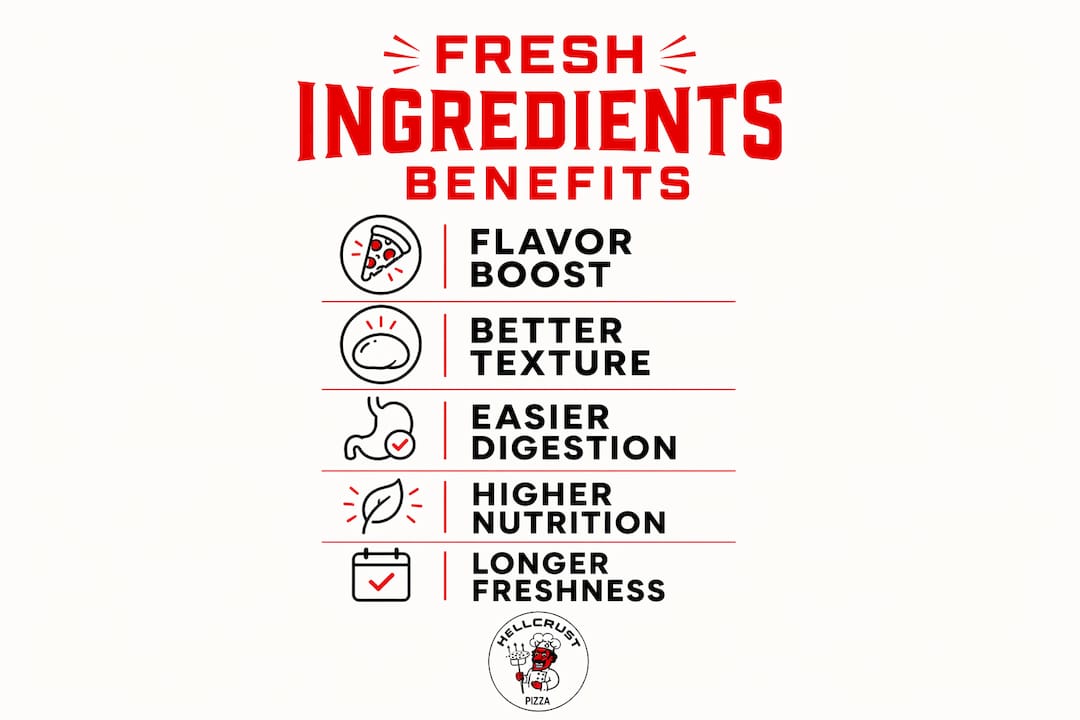
Fresh toppings are where pizza flavour reaches its full expression. Fresh San Marzano tomatoes and high-quality cheeses like fior di latte provide sweeter, richer flavours and better texture than processed or canned alternatives. San Marzano tomatoes, grown in volcanic soil near Naples, carry a natural sweetness and low acidity that makes sauce bright without added sugar. Canned tomatoes, even good ones, lose some of that brightness through the preservation process.
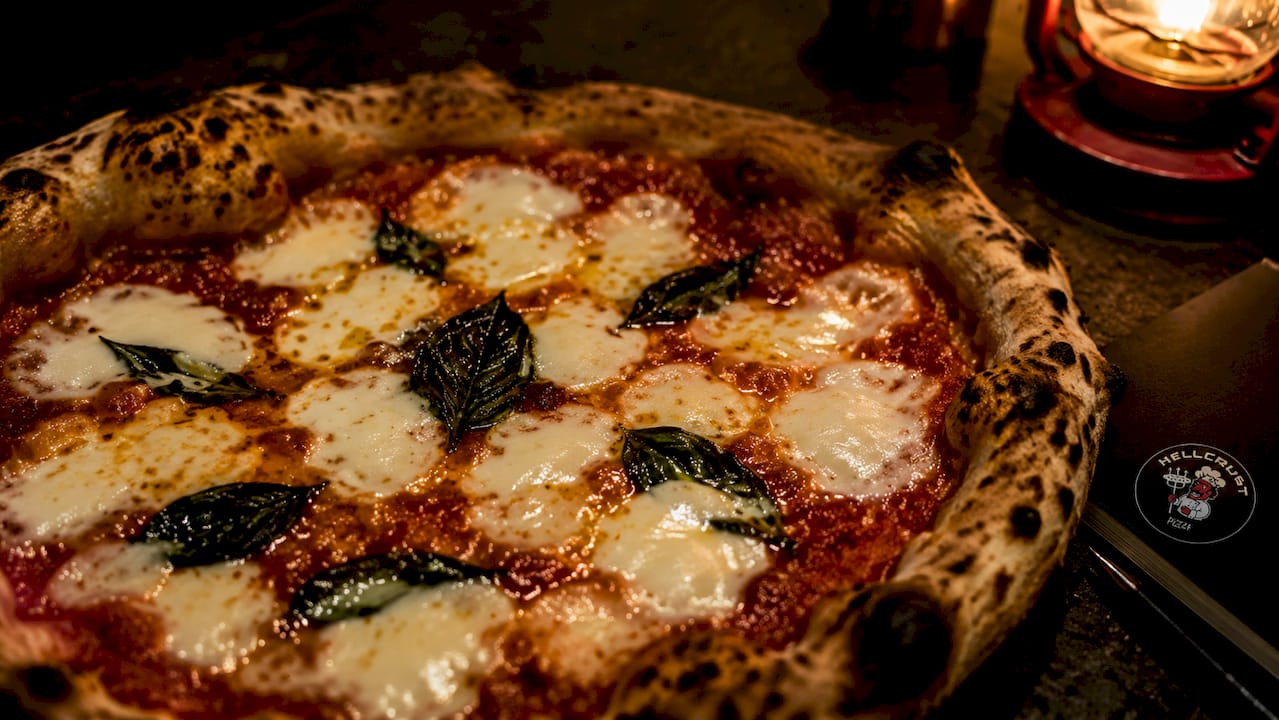
Cheese quality follows the same logic. Fresh mozzarella contains more moisture and a delicate milky flavour that melts evenly across the pizza. Aged or processed cheese alternatives tend to separate into greasy pools under heat, leaving an oily film rather than a creamy layer. For home cooks exploring cheese varieties for gourmet pizzas, the difference between fresh and processed becomes immediately obvious in both taste and appearance.
Extra virgin olive oil deserves its own mention. Drizzled over a pizza just before or after baking, it adds fruity, peppery notes that finishing oils carry and cooking oils lose. Understanding extra virgin olive oil standards matters here: true extra virgin oil retains polyphenols and antioxidants that lower-grade oils do not, contributing both flavour and nutritional value to every slice.
Fresh herbs, particularly basil, oregano, and flat-leaf parsley, release their essential oils only when they are alive and intact. Dried herbs have their place, but fresh basil torn and placed on a pizza straight from the oven is a different ingredient entirely. The volatile compounds responsible for that perfumed, slightly anise-like scent dissipate within days of drying.
- Choose whole, unprocessed tomatoes and crush them by hand for sauce.
- Use fresh mozzarella within 24 hours of purchase for best melt and flavour.
- Add fresh basil after baking, not before, to preserve its aroma.
- Drizzle extra virgin olive oil as a finishing touch rather than a cooking medium.
What makes pizza delivery stay fresh after cooking?
Thermal management is the science behind what makes delivery pizza feel special when it arrives at your door. Temperature and moisture control during delivery are vital to maintaining pizza integrity, as cheese sets and crust moisture migrates over time. A pizza that leaves the oven perfect can arrive soggy or cold if packaging and transport are not handled correctly.
The single biggest enemy of fresh delivery pizza is trapped steam. A ventilated pizza box or slightly open lid during delivery prevents steam condensation, maintaining a crisp crust and avoiding sogginess. Fully sealed boxes trap moisture that condenses on the crust's surface, turning a crisp base into a soft, damp one within minutes. Professional pizza operations use vented boxes or partially open lids to allow vapour to escape while preserving heat.
Insulated delivery bags address the temperature side of the equation. High-quality insulated bags maintain pizza temperature 15–20°F higher over 30 minutes compared to non-insulated options. That temperature difference preserves crust texture and keeps the pizza within the safe food temperature range. Pre-heating those bags near the oven before loading the pizza prevents the bag itself from acting as a heat sink.
| Method | What it does | Effect on pizza quality |
|---|---|---|
| Insulated delivery bag | Retains heat during transport | Keeps crust crisp and cheese melted |
| Vented pizza box | Releases steam without losing heat | Prevents soggy crust |
| Pre-heated bag | Removes cold from bag lining | Reduces heat loss in first 5 minutes |
| Avoiding stacking | Prevents toppings displacement | Preserves presentation and texture |
Pro Tip: When your delivery pizza arrives, open the box immediately and let it rest on a wire rack for 60 seconds. This releases trapped steam and restores crust crispness without reheating.
Why does fresh pizza fill you longer and digest more easily?
Properly fermented, additive-free dough and minimal oily toppings make Neapolitan pizza lighter and easier to digest. The fermentation process breaks down complex starches before the dough ever reaches the oven. Your digestive system encounters simpler compounds, which means less bloating and a lighter feeling after eating. This is why fresh pizza fills you longer without the heavy, overfull sensation that lower-quality alternatives often produce.
Minimal toppings and balanced use of extra virgin olive oil contribute to a lighter pizza that feels less oily and heavy. The key is proportion. A pizza loaded with processed meats, excessive cheese, and heavy sauces overwhelms the digestive system with fat and salt simultaneously. A well-crafted pizza with fresh, balanced toppings delivers satisfaction without that post-meal heaviness.
The satiety effect of fresh pizza also comes from ingredient density. Fresh tomatoes, quality cheese, and whole-grain or multigrain dough carry more nutrients per bite than their processed counterparts. Your body registers fullness more accurately when it receives genuine nutrition rather than calorie-dense but nutrient-light processed food. For home cooks interested in pairing toppings on a multigrain base, this principle guides every combination worth making.
- Choose dough with a long fermentation period for easier digestion.
- Limit toppings to three or four per pizza to maintain balance.
- Use olive oil sparingly: a drizzle, not a pour.
- Avoid processed meats as primary toppings; they add salt and fat without nutritional depth.
Practical tips for home cooks using fresh ingredients
Sourcing fresh ingredients is the first commitment a home cook makes to quality pizza. Visit a local market for tomatoes, fresh mozzarella, and herbs rather than relying solely on supermarket shelves. Seasonal tomatoes in summer carry far more flavour than out-of-season hothouse varieties. Fresh mozzarella from a local Italian deli or cheese shop is almost always superior to the pre-packaged variety.
Storage matters as much as sourcing. Fresh mozzarella should be kept in its brine and used within 24–48 hours. Fresh basil wilts quickly in the refrigerator; store it stem-down in a glass of water at room temperature, like cut flowers. Dough should be refrigerated and used within 72 hours of mixing for peak flavour and texture.
Balancing ingredient proportions prevents the two most common home pizza failures: sogginess and heaviness. Sauce should be spread thinly, leaving the outer crust bare. Cheese should cover the sauce without piling up. Toppings should be patted dry before placing them on the pizza, as excess moisture from mushrooms, peppers, or fresh tomatoes releases during baking and softens the crust.
Finishing touches separate a good home pizza from a great one. A drizzle of extra virgin olive oil after baking, a few torn basil leaves, and a light grating of aged Parmigiano-Reggiano transform the flavour profile in seconds. These are the details that professional pizzaiolos never skip, and they cost almost nothing extra.
Key takeaways
Fresh ingredients define pizza quality because they deliver superior flavour, lighter digestion, and better texture at every stage, from fermented dough to finishing oil.
| Point | Details |
|---|---|
| Fermented dough is foundational | Long fermentation breaks down starches, creating lighter, more flavourful, and easier-to-digest crusts. |
| Fresh toppings change flavour entirely | San Marzano tomatoes, fior di latte, and fresh herbs deliver complexity that processed alternatives cannot match. |
| Thermal management preserves freshness | Vented boxes and insulated bags keep delivery pizza crisp and hot, protecting the quality of fresh ingredients. |
| Proportion prevents heaviness | Minimal, balanced toppings and restrained olive oil use produce a lighter, more satisfying pizza. |
| Finishing touches matter | Extra virgin olive oil and fresh herbs added after baking complete the flavour profile with minimal effort. |
Why I think most home cooks underestimate ingredient quality
People spend hours watching pizza-making videos and buying expensive baking stones, but they buy the cheapest mozzarella on the shelf. That disconnect is the most common mistake I see, and it costs more in flavour than any equipment upgrade ever saves.
The truth is that a simple pizza made with a 48-hour fermented dough, hand-crushed San Marzano tomatoes, and fresh fior di latte will outperform a technically perfect pizza made with inferior ingredients every single time. Craft without quality materials is just technique. Quality materials with basic technique still produce something worth eating.
What I have found is that home cooks who commit to one fresh upgrade at a time, starting with the dough, then the cheese, then the sauce, build an intuitive understanding of how each component contributes. That understanding is more valuable than any recipe. You start to taste the difference between a dough that has had time to develop and one that has not. You notice when basil is fresh versus dried. You stop reaching for the processed shortcut because the real thing has become the obvious choice.
The Neapolitan tradition did not survive centuries because it was convenient. It survived because it was right. Fresh, simple, and crafted with care: that is the standard worth holding yourself to, whether you are baking at home or choosing where to order from.
— jaskirat
Fresh pizza, crafted with care, from Hellcrustpizza
At Hellcrustpizza, every pizza begins with our Biga multigrain dough, made without artificial additives and fermented to develop that rich, mature flavour we are proud of. We source fresh toppings and use them with the same care a home cook would if they had the time and knowledge to do it right.

Whether you are craving a classic Margherita or something more adventurous, our fresh pizza menu is built around the same principles this article covers: quality dough, wholesome toppings, and honest craftsmanship. We also offer pizza coupons and deals so that eating well does not have to cost more than it should. Order through our app for the easiest way to experience what fresh ingredients actually taste like when someone else does the work.
FAQ
Why do fresh ingredients make pizza taste better?
Fresh ingredients retain their natural flavour compounds, moisture, and aroma, which processed or frozen alternatives lose during preservation. The result is a more complex, brighter, and more satisfying flavour in every bite.
Does fermented dough really make pizza easier to digest?
Yes. Natural fermentation breaks down complex starches and gluten before baking, making the dough lighter and gentler on the digestive system compared to dough made with additives or short fermentation times.
What makes delivery pizza stay fresh and crisp?
Vented pizza boxes and insulated delivery bags work together to manage steam and retain heat. High-quality insulated bags maintain pizza temperature 15–20°F higher over 30 minutes compared to non-insulated options, preserving crust texture on arrival.
Why does fresh pizza fill you up longer?
Fresh, well-fermented dough and balanced toppings deliver genuine nutrition and simpler compounds for digestion. Your body registers fullness more accurately from nutrient-rich fresh ingredients than from calorie-dense processed alternatives.
How should I store fresh pizza toppings at home?
Keep fresh mozzarella in its brine and use it within 24–48 hours. Store fresh basil stem-down in water at room temperature. Pat all vegetable toppings dry before use to prevent excess moisture from softening the crust during baking.