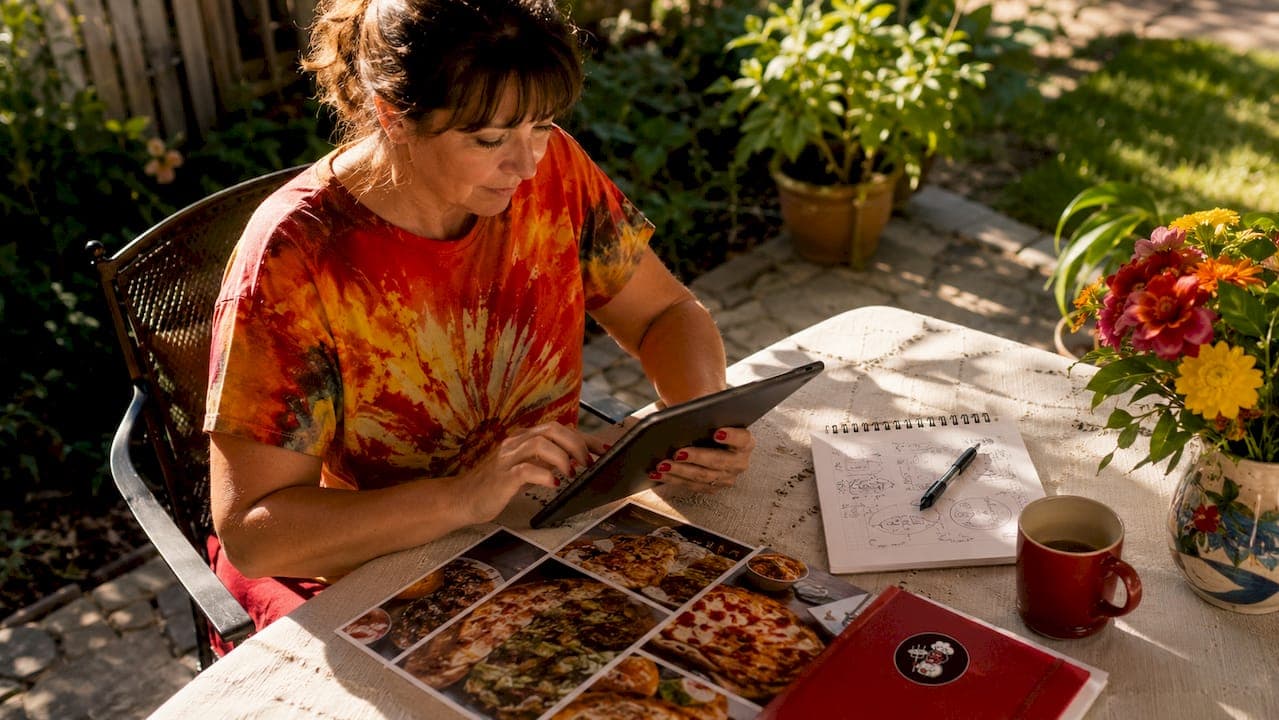
A family sized pizza ordering checklist is defined as a structured set of decisions covering quantity, toppings, sides, and timing that prevents waste and keeps everyone at the table satisfied. Most families skip this step and end up with too little pizza, too many duplicated toppings, or a cold delivery that arrived at the wrong moment. The standard planning guideline of 2.5 slices per adult and 1 slice per child gives you a reliable starting point. Hellcrustpizza builds its family meal options around exactly this kind of thoughtful planning, from its Biga multigrain dough to its Mix & Match deals designed for groups.
1. How to estimate the right number of pizzas for your group
Quantity is the single most important decision in any pizza order guide. Get it wrong and you are either scrambling for extra food or staring at eight leftover slices nobody wanted.

The slice-per-person rule is your foundation: plan for 2.5 slices per adult and 1 slice per child. For athletic teens or high-appetite groups, add a 15–20% buffer on top of that estimate. A group of four adults and two children needs roughly 12 slices total, which works out to two large pizzas.
Use this table as a quick reference when planning your order:
| Group size | Adults | Children | Estimated slices | Large pizzas needed |
|---|---|---|---|---|
| Small family | 2 | 2 | 7 | 1 |
| Medium family | 4 | 2 | 12 | 2 |
| Large family | 6 | 3 | 18 | 3 |
| Party of 20 | 16 | 4 | 44 | 7–8 |
A party of 20 people ordering 7–8 large pizzas with sides typically costs around $390–$440, covering meals and disposables. That figure helps you set a realistic budget before you open the ordering app.
Pro Tip: Focus on total slices needed rather than the number of boxes. A mix of large and medium pizzas can hit your slice target while giving you more topping variety.
2. Choosing toppings wisely for family and group orders
Topping selection is where group orders get complicated fast. The more people involved, the more opinions you collect, and the more likely you are to end up with a pizza nobody loves.
Safe-zone pizzas like cheese and pepperoni satisfy the widest range of eaters, including picky children and cautious adults. Half-and-half pizzas offer a practical middle ground: two topping profiles on one pie, so you cover more preferences without doubling your order. Limiting each pizza to two or three toppings reduces errors, keeps costs predictable, and speeds up preparation.
When your group is ready for something beyond the classics, regional topping styles can add genuine excitement without alienating anyone. The key is to anchor your order with one or two crowd-pleasers and then add one adventurous pizza as a bonus.
Here is a practical approach to topping selection for groups:
- Start with the safe zone. Order at least half your pizzas as cheese, pepperoni, or margherita. These disappear first.
- Use half-and-half for variety. One half gets a classic topping, the other gets something bolder. Everyone wins.
- Cap customisations at three per pizza. More than three toppings increases cost and slows down the kitchen.
- Designate one adventurous pizza. Let the curious eaters try something new without putting the whole order at risk.
- Check for dietary needs upfront. Vegetarian, halal, or gluten-sensitive guests need to be accounted for before you finalise anything.
Hellcrustpizza's customisable crust and topping options make it straightforward to build half-and-half combinations without adding complexity to the order process.
Pro Tip: Ask one person to collect topping preferences before opening the app. A quick group chat poll takes two minutes and prevents a ten-minute debate at checkout.
3. Adding sides and extras without overspending
Sides are meal support, not the main event. Breadsticks, wings, and salads round out a pizza order and reduce the total number of pizzas you need, but only when chosen with intention.
Bundles only save money if the extras are items you planned to buy anyway. A deal that includes a dessert nobody wanted is not a deal. It is a price increase dressed up in friendly packaging. Before adding any bundle to your cart, ask whether every item in it would have been ordered separately.
Sides also affect your pizza quantity. A generous order of garlic bread or a large salad can reduce your pizza count by one, which matters when you are feeding 10 or more people.
| Side type | Best use | Watch-out |
|---|---|---|
| Garlic bread or breadsticks | Fills gaps, appeals to all ages | Can replace a pizza if over-ordered |
| Wings or chicken bites | Adds protein variety for adults | Adds significant cost per serving |
| Garden salad | Balances heavier meals | Often ignored at pizza parties |
| Dessert items | Works well for celebrations | Rarely worth the bundle price alone |
| Soft drinks | Convenient with delivery | Cheaper to buy separately at a grocery store |
The clearest rule for sides: order what you know your group will eat, skip what sounds good in theory, and never let a bundle pressure you into extras you did not plan for.
4. Managing order timing, delivery fees, and tipping
Order logistics separate a smooth pizza night from a stressful one. Timing, fees, and tipping all deserve attention before you hit the confirm button.
For large orders of seven or more pizzas, call the pizzeria at least 48 hours in advance. Large orders placed during peak times without notice often face delays or outright rejections. A quick phone call secures your slot and gives the kitchen time to prepare properly.
For delivery timing, schedule arrival 20 minutes after your guests are expected. This keeps the pizza hot while giving latecomers time to settle in. It also means you are not watching the food go cold while you wait for everyone to arrive.
Key logistics points to confirm before placing your order:
- Order directly from the pizzeria's website when possible. Direct ordering gives you better price accuracy and loyalty points compared to third-party aggregators, which add service fees.
- Confirm the delivery address and access details. Apartment buildings and gated communities cause delays when drivers cannot find the entrance.
- Budget for tipping. The standard is 15–20% of the pre-fee total, with a minimum of $3–$5 for short runs. Aggregator service fees do not replace the driver's tip.
- Track your order actively. Most apps provide live tracking. Check it 10 minutes before the estimated arrival so you are ready at the door.
- Have payment ready. For large orders, confirm whether the driver carries change or if card-on-delivery is available.
5. Step-by-step large pizza checklist for your next group order
This checklist pulls every section together into a repeatable process. Run through it every time you order for a group and you will rarely face a pizza-night disaster.
- Map your group's appetite. Count adults and children separately. Note anyone with high appetites or dietary restrictions.
- Calculate total slices needed. Use 2.5 slices per adult and 1 per child. Add 15–20% for hungry groups.
- Choose your pizza sizes. Large pizzas offer the best value per slice for groups of four or more.
- Select toppings by category. Lock in your safe-zone pizzas first, then add variety with half-and-half options.
- Assign a pizza captain. One person consolidates preferences and places the final order. This single step reduces errors and speeds up the process significantly.
- Choose sides intentionally. Pick only what your group will genuinely eat. Adjust pizza quantity if sides are substantial.
- Time your order correctly. For seven or more pizzas, call 48 hours ahead. For standard orders, place at least 45 minutes before you want to eat.
- Schedule delivery timing. Aim for arrival 20 minutes after guests show up.
- Order directly from the restaurant's website to avoid aggregator fees and access loyalty rewards.
- Review the order before confirming. Check quantities, toppings, address, and payment method. One minute of review prevents a 30-minute correction call.
Hellcrustpizza's app saves your favourite combinations, which makes steps 4 and 5 significantly faster on repeat orders. The Mix & Match deals also let you cover multiple topping preferences in a single, cost-effective bundle.
Key takeaways
A well-structured family pizza order starts with a slice count, not a pizza count, and every other decision flows from that single number.
| Point | Details |
|---|---|
| Use the slice-per-person rule | Plan 2.5 slices per adult and 1 per child, then add a buffer for big appetites. |
| Anchor toppings in the safe zone | Order cheese and pepperoni first, then add variety with half-and-half options. |
| Choose sides with purpose | Only add sides your group will actually eat; bundles only save money on items you planned to buy. |
| Order ahead for large groups | Call at least 48 hours in advance for seven or more pizzas to avoid delays. |
| Assign a pizza captain | One person gathering all preferences and placing the order reduces errors every time. |
What I have learned from ordering pizza for groups
The biggest mistake families make is treating a group pizza order like a solo one, just bigger. They open the app, pick their usual toppings, multiply by three, and wonder why half the table is unhappy. The checklist approach fixes this because it forces you to think about the group before you think about the pizza.
The pizza captain concept is the single most underrated tip in this entire guide. I have seen 12-person orders collapse into chaos because four people were simultaneously adding items to a shared cart. One person, one order, one confirmation. It sounds rigid, but it is the kindest thing you can do for your group.
My honest recommendation for topping strategy: resist the urge to please everyone individually. Two safe-zone pizzas and one adventurous option will satisfy a group of eight better than eight individually customised pizzas. Simplicity wins at the table every time.
Hellcrustpizza's Biga multigrain dough is worth mentioning here because it changes the calculus on quantity. The dough is denser and more satisfying than standard bases, which means people reach for a third slice less often. That is genuinely useful information when you are calculating how much to order.
— jaskirat
Hellcrustpizza makes family pizza night easier
Planning a group order is straightforward when you have the right tools behind you. Hellcrustpizza's online ordering platform lets you save favourite combinations, apply Mix & Match deals, and order directly without third-party fees eating into your budget.
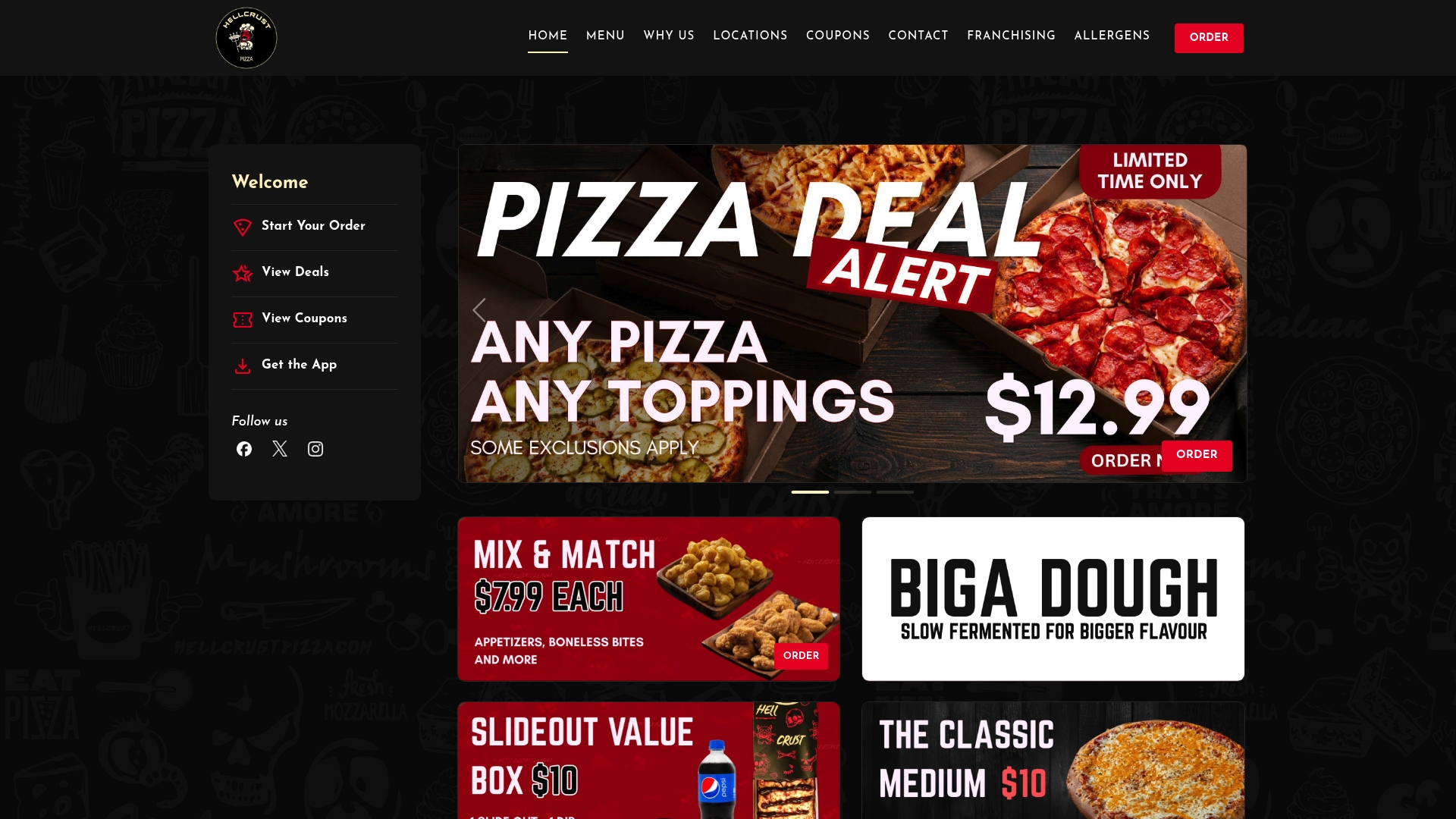
The family-sized specials at Hellcrustpizza are built for exactly the kind of group ordering this guide covers: multiple toppings, generous portions, and Biga multigrain dough crafted without artificial additives. Check the current coupons and family deals before you finalise your next order. A few minutes of deal-checking regularly saves a meaningful amount on large orders.
FAQ
How many pizzas do I need for a family of six?
For a family of four adults and two children, plan for roughly 12 slices, which equals two large pizzas. Add one more if your group has big appetites or you are serving minimal sides.
What is the best topping strategy for picky eaters?
Order at least half your pizzas as cheese or pepperoni, then use half-and-half pizzas to cover bolder preferences. Safe-zone options satisfy the widest range of eaters with the fewest complaints.
Should I order from a delivery app or directly from the restaurant?
Order directly from the restaurant's website. Direct ordering avoids aggregator service fees and often earns loyalty points that reduce the cost of future orders.
How far in advance should I order pizza for a large group?
Call the pizzeria at least 48 hours ahead for orders of seven or more pizzas. Smaller orders need at least 45 minutes of lead time for reliable hot delivery.
How much should I tip the pizza delivery driver?
Tip 15–20% of the pre-fee subtotal, with a minimum of $3–$5 for short deliveries. Aggregator service fees go to the platform, not the driver, so the tip remains the driver's primary compensation.