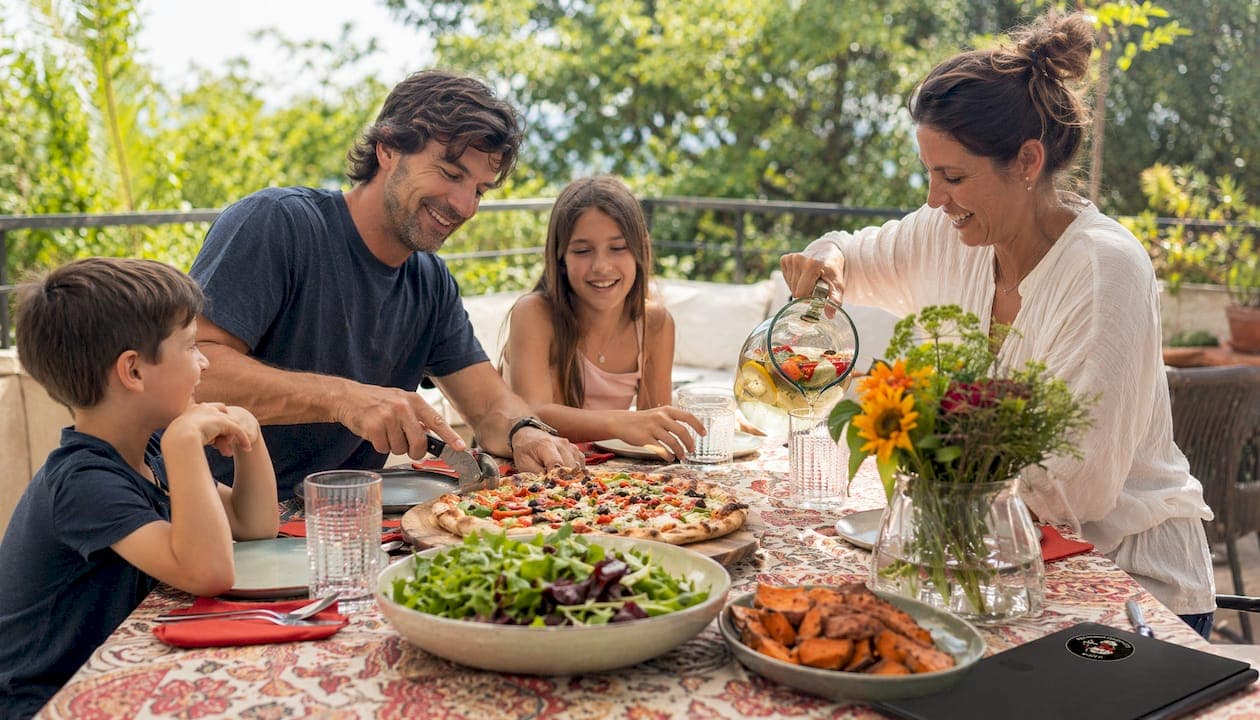
Pizza is the foundation of a genuinely balanced family meal when you build it with the right crust, toppings, and sides. The term "balanced meal" in nutrition refers to a plate that delivers adequate fibre, protein, vitamins, and minerals while keeping sodium and saturated fat in check. About 11% of the population eats pizza daily, which means pizza night is not an occasional treat for most families. It is a recurring opportunity to nourish your household well. Achieving a balance nutrition pizza family meal is less about restriction and more about making deliberate choices at every layer of the pie.
What crust choices best support a balanced nutrition pizza family meal?
The crust is the nutritional foundation of every pizza. Choosing wisely here sets the tone for the entire meal before a single topping lands on the dough.
Thin crust and whole grain options
Thin crust reduces sodium by roughly 27% compared to deep-dish or stuffed crusts. That is a meaningful reduction for families managing heart health or simply trying to eat less processed salt. Thin crust also delivers fewer total calories per slice, which means your family can enjoy more slices without overshooting daily energy targets.
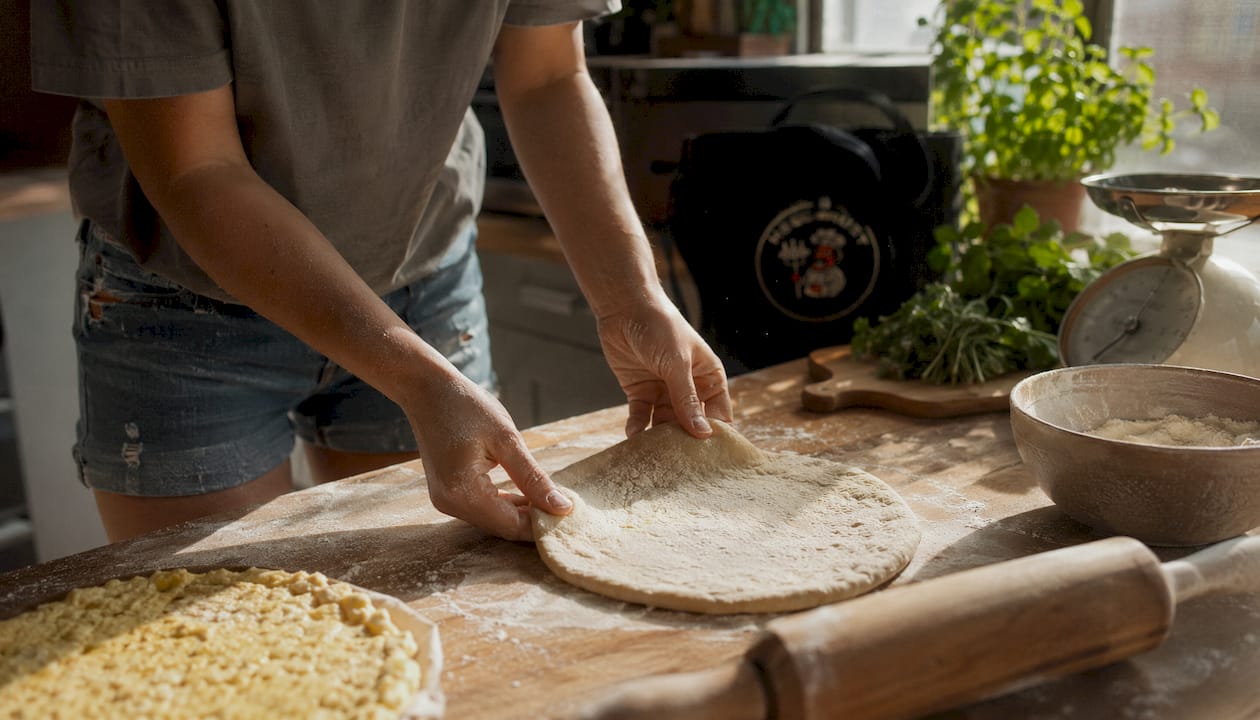
Whole grain and multigrain doughs take the benefit further. They add dietary fibre, which supports digestion and keeps kids and adults feeling full longer. Hellcrustpizza builds its dough using a Biga preferment process with multigrain flour and no artificial additives. That approach produces a crust with a richer, more mature flavour while delivering the fibre that refined white doughs simply cannot match. You can read more about the specific advantages in this multigrain pizza guide for parents.
The cauliflower crust myth
Many families assume cauliflower crust is the healthiest choice available. The reality is more nuanced. Cauliflower crusts often contain higher fat and fewer grams of fibre than a standard thin wheat crust. Cheese and egg binders used to hold cauliflower together add saturated fat that most families are trying to reduce. A well-made thin multigrain crust outperforms cauliflower on fibre and overall nutritional balance.
Pro Tip: If you are making dough at home, swap half the white flour for whole wheat or spelt flour. The texture stays light, the fibre count climbs, and the flavour deepens noticeably.
Here is a quick comparison of common crust types across three key nutritional factors:
| Crust type | Fibre content | Sodium level | Calorie load per slice |
|---|---|---|---|
| Thin wheat crust | Moderate | Lower | Lower |
| Multigrain (e.g., Biga dough) | Higher | Lower | Moderate |
| Deep-dish or stuffed crust | Low | Higher | Higher |
| Cauliflower crust | Low to moderate | Moderate | Moderate to high |
How to choose nutritious toppings that enhance family pizza meals
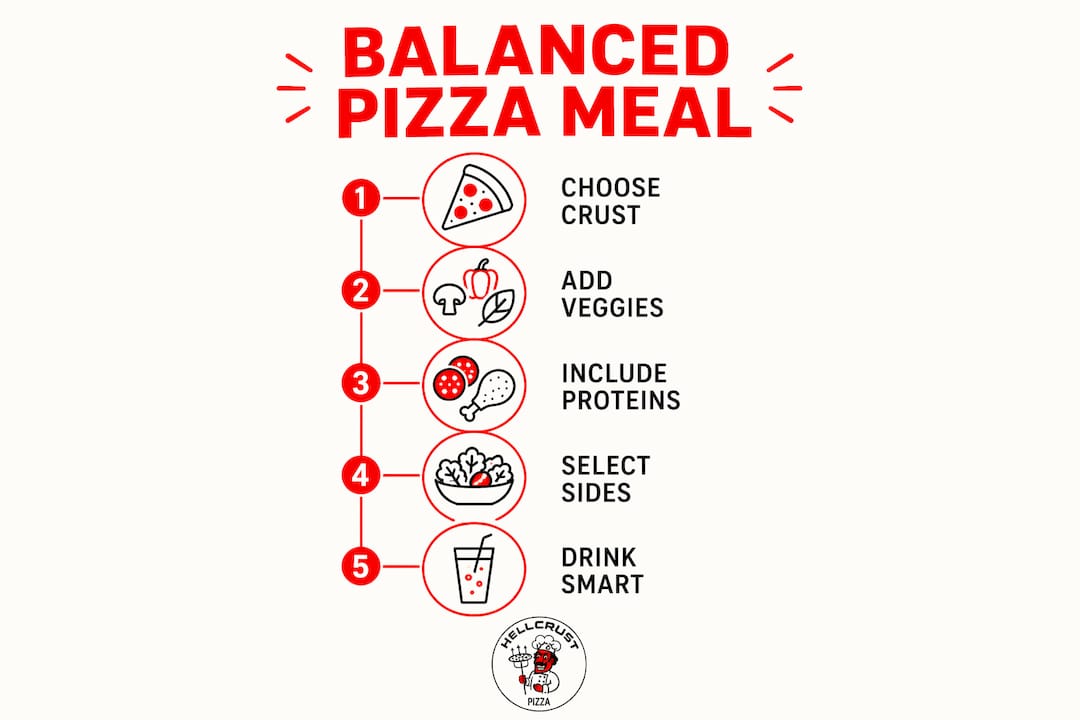
Toppings decide whether your pizza delivers vitamins and fibre or simply adds sodium and saturated fat. Vegetable-heavy toppings boost nutrition while processed meats and extra cheese push sodium and saturated fat to levels that undermine an otherwise wholesome meal. Dietitian Lauren Manaker confirms that pizza fits a balanced diet when ordering choices prioritise veggie toppings and reduce processed meats and cheese.
Vegetables that earn their place
The most nutritious toppings share two qualities: high water content and rich colour. Colour signals antioxidants. Water content adds volume without calories. Strong choices include:
- Red and yellow peppers for vitamin C and natural sweetness
- Mushrooms for B vitamins and a satisfying, meaty texture
- Baby spinach or arugula added fresh after baking to preserve folate
- Red onion for quercetin, a plant compound linked to reduced inflammation
- Zucchini or broccoli florets for fibre, though both need moisture management before baking
Moisture control on raw vegetables before baking prevents a soggy crust. Pat zucchini, tomatoes, and mushrooms dry with a clean cloth or roast them briefly first. A firm crust means you use less cheese to compensate for texture, which directly lowers the meal's saturated fat content.
Lean proteins and smart cheese choices
Grilled chicken, white beans, or lightly seasoned chickpeas add protein without the sodium spike of pepperoni or sausage. When it comes to cheese, using half the amount you normally would and choosing a flavourful variety like aged Parmesan means you still get that satisfying richness with far less saturated fat per slice.
Allowing children to customise toppings with colourful vegetables significantly increases their vegetable intake compared to pre-assembled pizzas. Setting up a small topping station with bowls of prepped vegetables turns pizza night into an activity, and kids who build their own slice eat more of what they chose. That is a practical win for family-friendly nutrition.
Pro Tip: Offer three to four colourful vegetable options in small bowls and let each family member build their own half of the pizza. Choice drives consumption, especially with younger children.
What sides and accompaniments balance a pizza family meal nutritionally?
A single pizza, even a well-crafted one, rarely delivers everything a family needs in one sitting. Sides close the nutritional gaps, particularly for fibre, micronutrients, and lean protein.
The most effective sides share a common trait: they are easy to prepare and genuinely enjoyed by children. A large green salad with romaine, cucumber, cherry tomatoes, and a light vinaigrette takes under ten minutes to assemble and adds folate, vitamin K, and water-soluble fibre that pizza crust alone cannot provide. Healthy veggie-loaded pizza recipes show that pairing pizza with vegetable sides brings a meal's calorie density down to 100–350 calories per serving, compared to 300-plus calories in a typical delivery slice on its own.
Steamed broccoli or green beans with a squeeze of lemon are sides that most children accept without resistance, especially when served alongside something they already love. Roasted sweet potato wedges add beta-carotene and complex carbohydrates that sustain energy through the evening. A small bowl of lentil or minestrone soup adds plant-based protein and soluble fibre, both of which promote satiety and steady blood sugar after the meal.
For drinks, water with sliced citrus or a sparkling water with a splash of juice replaces the sugar load of soft drinks without making the meal feel restrictive. Milk or a fortified plant-based alternative rounds out calcium and vitamin D, nutrients that growing children need daily.
How to prepare or order pizza to maximise nutrition for your family
Whether you are cooking at home or ordering delivery, the same principles apply. Preparation and ordering decisions shape the final nutritional profile of the meal more than any single ingredient.
Making pizza at home
Follow these steps for a wholesome homemade pizza:
- Prepare the dough using a multigrain or whole wheat base. Allow adequate proofing time so the dough develops flavour without needing excess salt.
- Prep your vegetables by patting high-moisture options dry or roasting them for ten minutes at 200°C before adding to the pizza.
- Spread sauce thinly. A light layer of crushed tomatoes with garlic and dried oregano adds lycopene without excess sodium.
- Apply cheese sparingly. Aim for roughly half the amount a standard recipe suggests. Grate it finely so it distributes evenly and tastes more present than it is.
- Add fresh toppings after baking. Arugula, fresh basil, and a drizzle of extra-virgin olive oil added post-bake preserve nutrients that high heat would otherwise destroy.
- Slice into smaller portions and serve alongside a salad or vegetable side to naturally moderate serving sizes.
Pro Tip: Roasting vegetables before adding them to pizza concentrates their flavour, which means you need less cheese and sauce to achieve a satisfying, rich taste.
Ordering pizza smartly
When ordering from a delivery service, a few deliberate choices make a real difference. Request thin or multigrain crust where available. Ask for half the standard cheese. Choose vegetable toppings as the base and add one lean protein. Avoid stuffed crusts and cream-based sauces, which add calories and sodium without meaningful nutritional benefit.
Hellcrustpizza's family-sized ordering checklist walks you through exactly how to build a nutritious order for a group, including portion guidance and topping combinations that work for mixed-age households.
| Approach | Key benefit | Best for |
|---|---|---|
| Homemade multigrain crust | Full control over fibre and sodium | Families with time to cook |
| Ordering thin crust delivery | Lower sodium, fewer calories | Busy weeknights |
| Veggie topping customisation | Higher fibre and antioxidants | Families with picky eaters |
| Lean protein additions | Sustained satiety, lower saturated fat | Active families and growing kids |
Key takeaways
A balanced pizza family meal requires a multigrain or thin crust, vegetable-heavy toppings, lean protein, and fibre-rich sides working together as a complete nutritional unit.
| Point | Details |
|---|---|
| Choose the right crust | Multigrain or thin wheat crust delivers more fibre and less sodium than deep-dish or cauliflower alternatives. |
| Prioritise vegetable toppings | Colourful vegetables add antioxidants and fibre; halving the cheese reduces saturated fat meaningfully. |
| Add complementary sides | A large salad or steamed vegetables closes nutritional gaps and lowers overall meal calorie density. |
| Involve kids in customisation | Topping customisation stations increase children's vegetable intake compared to pre-assembled pizzas. |
| Manage moisture in veggies | Patting or pre-roasting high-water vegetables prevents soggy crust and reduces the need for excess cheese. |
Pizza nights taught me more about family meals than any nutrition course
I have spent years thinking about food, and pizza night taught me something that no textbook quite captured: the meal itself is only part of what you are feeding your family.
Shared family meals correlate with positive outcomes in children's behaviour and psychological wellbeing, well beyond what ends up on the plate. That context matters. A pizza night where everyone gathers, builds their own slice, and sits together delivers something that a perfectly balanced but solitary dinner cannot replicate.
My honest view is that parents put too much pressure on individual meals to be nutritionally perfect. The goal is a pattern, not a single plate. When you use a multigrain crust, load up on vegetables, and pair the pizza with a salad, you have done something genuinely good for your family. Registered dietitian Anna Smith puts it plainly: pizza is not perfect, but including it in shared family meals is a nutritional and social win.
The practical lesson I keep coming back to is this: flexibility sustains the habit. A family that enjoys pizza night together, with thoughtful but not rigid choices, will eat better over months and years than one that treats every meal as a nutritional exam. Savour the process. Let the kids choose their toppings. Make it a ritual worth repeating.
— jaskirat Singh
Hellcrustpizza makes wholesome family pizza nights easier
Putting all of this into practice is simpler when the foundation is already crafted with care. Hellcrustpizza builds every pizza on a Biga multigrain dough that is free from artificial additives, giving your family the fibre and flavour that a wholesome meal deserves without any compromise on taste.

Hellcrustpizza's Mix & Match deals and family-sized specials let you customise toppings across the whole order, so every family member gets the vegetables and proteins they love. You can also check the current coupons and deals to make nutritious family pizza nights affordable on any budget. Fresh ingredients, a dough crafted with purpose, and the convenience of delivery mean you never have to choose between a good meal and a good evening together.
FAQ
Is pizza a healthy option for a family dinner?
Pizza can be a healthy family dinner when built on a multigrain or thin crust with vegetable toppings and served alongside a fibre-rich side like a salad. Registered dietitian Anna Smith notes that shared pizza meals deliver both nutritional and social benefits for families.
What are the best toppings for a nutritious family pizza?
The best toppings are colourful vegetables such as peppers, mushrooms, spinach, and red onion, paired with a lean protein like grilled chicken. These choices add fibre, antioxidants, and protein while keeping sodium and saturated fat low.
Does crust type really affect the nutrition of a pizza?
Yes, crust type has a significant impact. Thin crust reduces sodium by roughly 27% compared to deep-dish options, and multigrain doughs add dietary fibre that refined white crusts do not provide.
How can I get my kids to eat more vegetables on pizza night?
Set up a topping station with small bowls of prepped vegetables and let children build their own slice. Research shows that topping customisation significantly increases children's vegetable intake compared to pre-assembled pizzas.
What sides pair well with pizza for a balanced family meal?
A large green salad, steamed broccoli, roasted sweet potato wedges, or a small bowl of lentil soup all complement pizza well. These sides add fibre, vitamins, and protein that round out the meal and promote satiety.