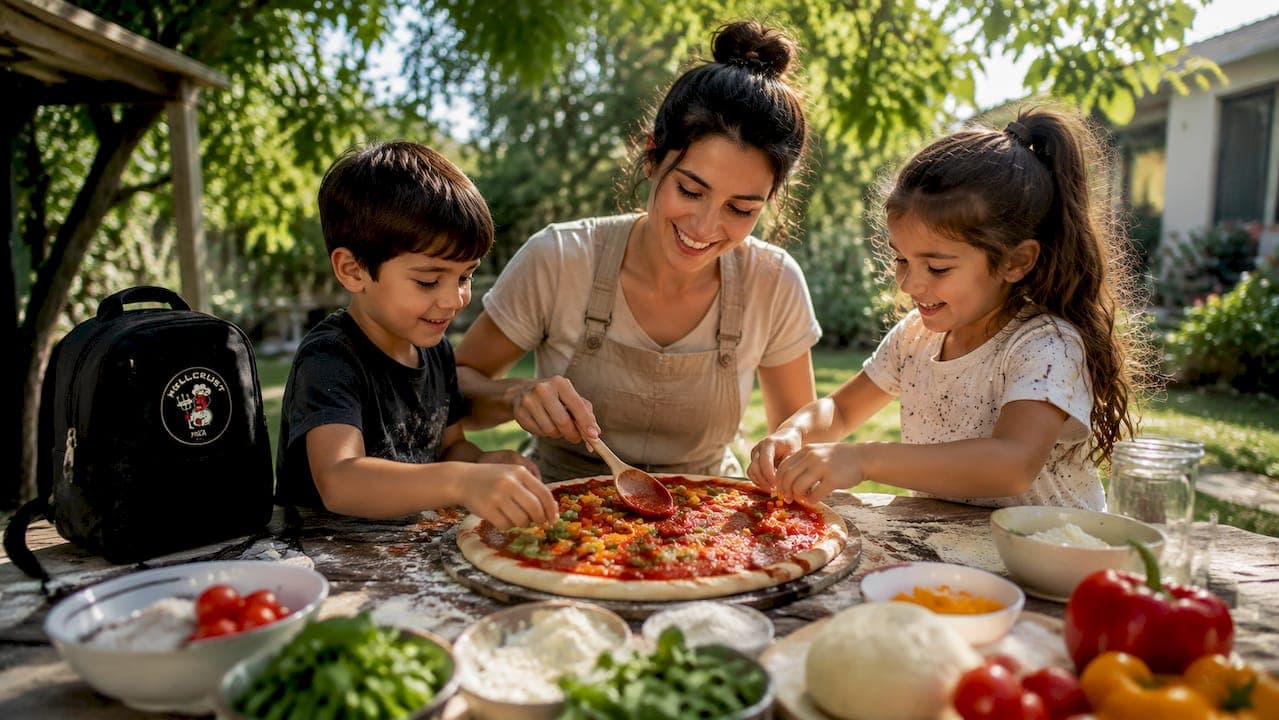
Multigrain pizza is defined as a pizza crust made from two or more whole grains and seeds, such as oats, barley, flax, millet, and quinoa, rather than refined white flour alone. The multigrain pizza benefits for kids go well beyond a simple swap in ingredients. Canada's Food Guide and Health Canada both recommend whole grains as a daily dietary staple for children, citing their role in supporting digestion, steady energy, and long-term health. Hellcrustpizza crafts its dough using a Biga preferment multigrain base, free from artificial additives, so every slice your child eats is built on something genuinely wholesome. When pizza night doubles as a nutrition win, everyone at the table is happy.
1. What makes multigrain pizza healthier than regular pizza crust?
Multigrain crusts deliver a wider range of nutrients than white flour crusts because each grain contributes something different. Oats add soluble fibre. Barley provides beta-glucan. Flax seeds bring omega-3 fatty acids and ferulic acid, a potent antioxidant that supports immune function and reduces inflammation. Millet and quinoa round out the profile with magnesium, potassium, and B vitamins. That variety is exactly what growing children need.
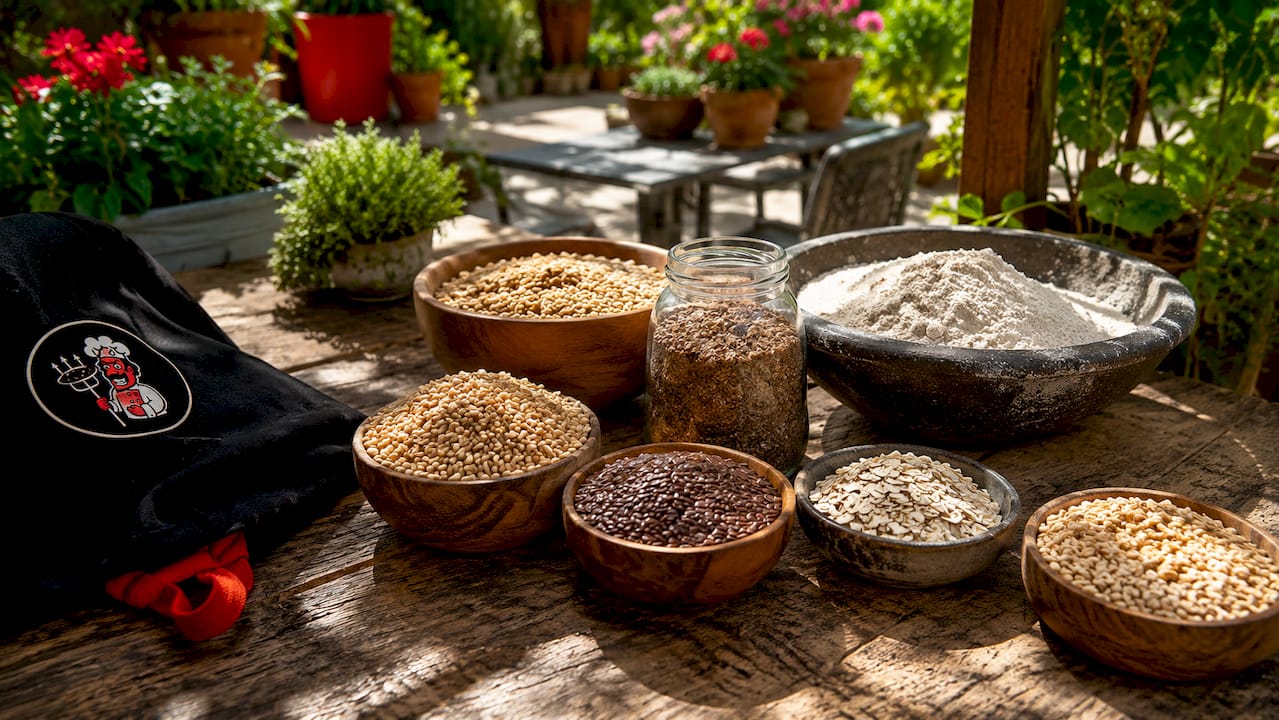
White flour crust strips most of this away during processing. Refined flour digests quickly, causing a rapid rise and fall in blood sugar. Whole, minimally processed grains digest more slowly, smoothing out those blood sugar fluctuations and keeping kids energised for longer. That steadier energy curve matters most during school days and after-school activities.
Multigrain crusts also contain diverse vitamins and minerals, including B vitamins for brain function, magnesium for muscle health, and potassium for heart health. These nutrients support cardiovascular protection, gut health, and energy stability all at once. No single grain delivers all of them, which is why the "multi" in multigrain genuinely matters.
- Oats: soluble fibre that slows digestion and feeds good gut bacteria
- Barley: beta-glucan linked to heart health and blood sugar control
- Flax seeds: omega-3 fatty acids and ferulic acid antioxidants
- Millet: magnesium and B vitamins for energy metabolism
- Quinoa: complete protein profile with all essential amino acids
- Sunflower seeds: vitamin E and healthy fats for skin and immune health
Pro Tip: Check the ingredient list on any packaged multigrain crust. If "whole grain" or a specific whole grain is not the first ingredient listed, the nutritional benefits are likely minimal.
2. How does multigrain pizza support digestion and immunity in children?
Fibre is the most direct digestive benefit of multigrain pizza for children. Insoluble and soluble fibres in whole grain crusts promote regular bowel movements, reduce constipation, and ease bloating. Insoluble fibre adds bulk to stool and speeds transit time. Soluble fibre absorbs water and forms a gel that slows digestion, keeping kids fuller for longer.
The prebiotic effect of whole grain fibre is equally important. Prebiotics feed beneficial gut bacteria like Lactobacillus and Bifidobacterium, which in turn strengthen the gut lining and support immune responses. A healthier gut microbiome means fewer digestive upsets and a more resilient immune system overall. White flour crust provides almost none of this prebiotic activity.
Antioxidants in multigrain crusts, particularly ferulic acid from whole wheat and flax, reduce low-grade inflammation. Chronic inflammation in children is linked to a higher risk of allergies, digestive disorders, and metabolic issues. Feeding kids a crust that actively works against inflammation is a quiet but meaningful advantage.
| Crust type | Fibre content | Antioxidants | Blood sugar impact |
|---|---|---|---|
| White flour crust | Low | Minimal | Rapid spike and crash |
| Multigrain whole grain crust | High | Ferulic acid, omega-3s | Slow, steady release |
Pro Tip: Pair a multigrain crust with tomato sauce and colourful vegetable toppings. Tomatoes provide lycopene, and vegetables add their own fibre, creating a genuinely well-rounded meal for kids.
3. How can parents incorporate multigrain pizza into kids' diets easily?
The simplest starting point is a direct crust swap. Multigrain pizza dough cooks in the same time and at the same oven temperature as standard white dough, typically 10–12 minutes at 400–450°F. There is no learning curve in the kitchen. You swap the crust, keep everything else the same, and the meal is done.
- Start with a blend. Mix whole grain flour with white flour at a 50/50 ratio. This improves texture and makes the transition less noticeable for picky eaters, while still delivering meaningful fibre gains.
- Read the label carefully. Many commercial "multigrain" products use mostly refined flour with minimal whole grains. Look for a specific whole grain listed as the first ingredient.
- Involve your kids. Let children press the dough, scatter toppings, and choose their own vegetables. Kids who help make a meal are far more likely to eat it without complaint.
- Use familiar toppings. Keep the cheese, the sauce, and the toppings your child already loves. The crust change is invisible to most kids when the flavours they enjoy are still front and centre.
- Order from quality sources. Hellcrustpizza uses a Biga multigrain dough crafted without artificial additives, so parents who want a trustworthy ready-made option do not have to compromise on quality.
Involving children in pairing toppings on a multigrain base builds their confidence in the kitchen and creates positive associations with wholesome food. That connection pays dividends well beyond pizza night.
4. What are the flavour and texture considerations of multigrain pizza for kids?
Multigrain crusts have a naturally nutty, earthy flavour that comes from the grains and seeds themselves. Most children find this pleasant once they are used to it. The challenge is the first few encounters, when the denser texture and slightly different taste can catch a picky eater off guard.
Texture is the bigger hurdle. Whole grain dough is denser and chewier than white flour crust. Seeds can add crunchiness that some children find off-putting. The good news is that both issues are easy to address.
- Grind seeds coarsely before adding them to dough. Coarsely ground flax and sunflower seeds retain their omega-3 and mineral benefits while creating a smoother mouthfeel that kids accept more readily.
- Blend flours for fluffiness. A 50/50 blend of whole grain and white flour improves texture noticeably while still delivering substantial nutritional improvements over a pure white crust.
- Choose kid-friendly toppings. Mild mozzarella, sweet tomato sauce, roasted red peppers, and corn complement the earthy crust without overwhelming it. Explore customising crust and toppings to find combinations your child genuinely enjoys.
- Serve it warm. Multigrain crust softens as it cools, but fresh from the oven it has a satisfying crispness that most kids love.
The nutty depth of a multigrain crust actually pairs beautifully with savoury toppings. Once children move past the novelty, many prefer the richer flavour over a plain white base.
5. When should multigrain pizza be chosen for children?
Multigrain pizza is the right call on school days when children need steady energy through afternoon classes and after-school activities. The slowed carbohydrate absorption from whole grains prevents the energy crash that often follows a white-flour meal. A child who eats a multigrain slice at lunch is more likely to stay focused and calm through the afternoon than one who eats a refined-flour equivalent.
Higher fibre intake from whole grains is linked to reduced long-term risks of stroke, colon cancer, heart disease, and type 2 diabetes. Building these habits early matters. Children who grow up eating whole grains regularly carry those preferences into adulthood.
Multigrain pizza is also a practical tool during picky eating phases. When children help choose toppings and press the dough themselves, involving kids in preparation builds positive associations with wholesome food. That involvement turns a potential mealtime battle into a shared activity.
- Ideal for school-day lunches and post-activity meals
- Supports dietary variety without requiring a completely new food
- Builds long-term healthy eating habits through repeated positive exposure
- Reduces chronic disease risk when eaten consistently over time
Key takeaways
Multigrain pizza is the most practical way to deliver whole grain nutrition to children because it uses a food they already love as the vehicle.
| Point | Details |
|---|---|
| Whole grains outperform refined flour | Multigrain crusts provide fibre, antioxidants, and minerals that white flour crusts cannot match. |
| Steady energy supports school performance | Slowed carbohydrate absorption prevents blood sugar spikes and keeps children focused longer. |
| Read labels before buying | Whole grain must be the first ingredient listed, or the nutritional benefit is largely marketing. |
| Texture barriers are solvable | Blending flours 50/50 and grinding seeds coarsely makes multigrain crust acceptable to picky eaters. |
| Involvement builds lasting habits | Children who help make multigrain pizza develop positive associations with wholesome food over time. |
Why I think multigrain pizza is one of the easiest nutrition wins for families
jaskirat Singh
Parents often assume that getting kids to eat healthier means a fight at the table. My experience is the opposite. The children I have seen respond best to multigrain pizza are the ones whose parents made the switch quietly, without announcing it as "the healthy version." They kept the same sauce, the same cheese, the same toppings. The only thing that changed was the crust.
What surprised me most was how quickly kids adapted to the flavour. The nutty, slightly earthy taste of a well-made multigrain crust is genuinely appealing once it becomes familiar. The first slice might get a raised eyebrow. By the third pizza night, most children are not thinking about the crust at all.
The harder challenge is choosing the right product. Too many "multigrain" crusts on the market are mostly refined flour with a sprinkle of oats for appearances. Reading the ingredient list is non-negotiable. When whole grain is the first ingredient, you are getting real nutritional value. When it is not, you are paying for marketing.
The most lasting benefit is not the fibre or the antioxidants, as real as those are. It is the habit. A child who grows up eating multigrain pizza as a normal part of family meals is building a relationship with whole foods that will shape their choices for decades. That is worth far more than any single nutrient.
— jaskirat Singh
Hellcrustpizza and wholesome multigrain pizza for your family
Hellcrustpizza was built on an unwavering commitment to quality, and that commitment starts with the dough. Every pizza is crafted on a Biga multigrain base, free from artificial additives, so parents can feel confident about what their children are eating.

Hellcrustpizza's family-friendly menu includes Mix & Match options and family-sized specials that make it easy to serve a wholesome multigrain meal without the prep work. Fresh ingredients, customisable toppings, and a crust your children will actually enjoy. Check out the latest family pizza deals to find an option that fits your week and your budget. Good food should never feel like a compromise.
FAQ
Is multigrain pizza actually healthier than regular pizza for kids?
Multigrain pizza provides significantly more fibre, antioxidants, and minerals than white flour pizza. These nutrients support digestion, steady energy, and immune function in growing children.
How do I know if a multigrain crust is genuinely whole grain?
Check the ingredient list and confirm that a whole grain, such as whole wheat, oats, or barley, is listed first. Many commercial multigrain products use mostly refined flour with minimal whole grains added.
Can picky eaters accept multigrain pizza crust?
A 50/50 blend of whole grain and white flour improves texture and makes the transition easier for children who dislike dense or seedy crusts. Grinding seeds coarsely also reduces unwanted crunchiness.
What toppings work best on a multigrain pizza base for kids?
Mild mozzarella, sweet tomato sauce, roasted vegetables, and corn complement the earthy flavour of multigrain crust without overpowering it. Familiar toppings help children accept the new crust more readily.
How often should children eat multigrain pizza?
Canada's Food Guide recommends whole grains at most meals. Multigrain pizza can be a regular part of a child's diet, especially on school days when steady energy and digestive support are most valuable.