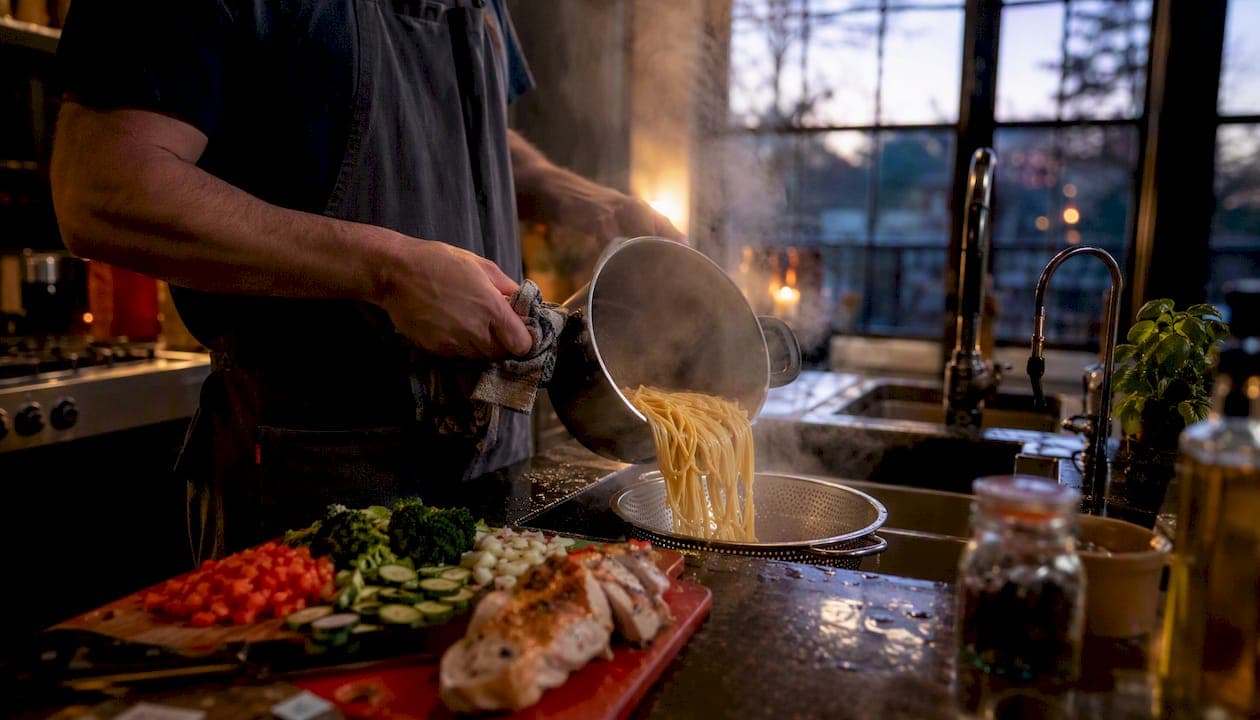
Pasta can absolutely be a healthy dinner choice for most people, and the evidence backs that up. Three reasons stand out: it produces a lower glycaemic response than white bread or potatoes when cooked al dente and portioned sensibly; it delivers lasting satiety when paired with protein, fibre, and healthy fats; and its affordability and speed make it far easier to stick to a balanced eating pattern night after night. A prospective cohort study published in BMJ Nutrition, Prevention & Health found that higher pasta-meal intake was associated with a statistically significant lower long-term risk of stroke and atherosclerotic cardiovascular disease compared with other starchy foods. That is not a trivial finding for anyone planning weeknight dinners with their health in mind.
- Pasta's compact starch matrix slows digestion, moderating post-meal glucose and insulin peaks.
- Pairing pasta with lean protein, vegetables, and a drizzle of olive oil turns a simple carbohydrate into a genuinely balanced plate.
- At roughly $0.50–$1.00 per dry serving, pasta is one of the most cost-effective dinner options available in Canadian grocery stores.
Key takeaways
Pasta is a genuinely healthy dinner alternative when portioned at around 80 g dry, cooked al dente, and paired with vegetables, lean protein, and a moderate amount of healthy fat.
| Point | Details |
|---|---|
| Cook al dente, portion to 80 g dry | Firmer pasta digests more slowly, moderating post-meal glucose and insulin peaks. |
| Build the plate, not just the bowl | Half vegetables, one-quarter pasta, one-quarter protein, plus a small healthy fat keeps the meal balanced. |
| Choose whole-grain or legume pasta twice a week | These varieties deliver more fibre and protein, improving satiety and blood sugar response. |
| Cohort evidence supports pasta at dinner | A BMJ Nutrition cohort linked higher pasta intake to lower stroke and ASCVD risk vs. fried potato or white bread. |
| Hellcrustpizza pasta dishes | Crafted with real ingredients and no artificial additives, they fit the balanced dinner template described in this article. |
Table of Contents
- Why pasta is a dinner alternative worth taking seriously
- Which pasta types give you the best nutritional return at dinner?
- How do you build a genuinely balanced pasta dinner?
- Common worries about pasta for dinner, addressed honestly
- Weeknight strategies that make pasta a reliable dinner choice
- How does this evidence apply in the Canadian context?
- Why we believe pasta earns its place on the weeknight table
- Hellcrustpizza's pasta menu: wholesome ingredients, no shortcuts
- Sources
Why pasta is a dinner alternative worth taking seriously
The case for pasta as a dinner carbohydrate starts with glycaemic index and glycaemic load. Glycaemic index (GI) measures how quickly a food raises blood glucose; glycaemic load (GL) adjusts for the actual amount of carbohydrate in a realistic serving. Pasta consistently scores lower on both measures than white bread, boiled potatoes, or white rice. The reason is structural: pasta's starch granules are embedded in a dense protein matrix of gluten, which physically slows the rate of enzymatic digestion. Clinical comparisons reported in The Lancet Public Health confirm that pasta produces a lower postprandial glucose and insulin response than comparable portions of white bread or potato in controlled settings.
Cooking method matters just as much as the food itself. Stopping the cook while pasta is still al dente keeps starch granules less gelatinised, which slows digestion further and moderates the glucose spike after eating. Overcooked, soft pasta behaves more like a high-GI food. A practical target for most adults is around 80 g dry weight per serving, which keeps glycaemic load in a moderate range without leaving anyone hungry when the plate is built correctly.
At the population level, the evidence is encouraging. A NHANES-based analysis found that pasta consumers had higher Healthy Eating Index scores and greater daily intakes of folate, iron, magnesium, and dietary fibre compared with non-consumers. They also consumed 3.2 teaspoon-equivalents less added sugar per day. Pasta, it turns out, tends to travel with vegetables and wholesome accompaniments rather than with ultra-processed foods.
Stat to know: The BMJ Nutrition, Prevention & Health cohort found statistically significant reduced risk of stroke and ASCVD when pasta meals were substituted for fried potato or white bread, with no adverse association for diabetes risk.
| Evidence type | Key finding | Source |
|---|---|---|
| Prospective cohort | Lower stroke and ASCVD risk vs. fried potato or white bread | BMJ Nutrition, Prevention & Health |
| NHANES cross-sectional | Higher HEI-2010 scores; more folate, iron, magnesium, fibre | PMC / NHANES analysis |
| Controlled clinical trials | Lower postprandial glucose vs. white bread or potato | The Lancet Public Health |
| Consumer guidance | Al dente cooking reduces glycaemic response vs. overcooked pasta | WebMD |
Which pasta types give you the best nutritional return at dinner?
Not all pasta is created equal, and the choice you make at the grocery store shapes the nutritional outcome of your whole meal. Here is how the main categories compare:
- Refined durum semolina pasta is the classic. It has a mild flavour, cooks reliably, and still produces a moderate glycaemic response when cooked al dente. It is not nutritionally empty, but it offers less fibre and protein than the alternatives below.
- Whole-grain pasta retains the bran and germ of the wheat kernel, delivering noticeably more fibre and a slightly higher protein content per serving. The texture is earthier and the cook time a minute or two longer, but the satiety payoff is real. Swapping to whole-grain pasta is one of the simplest ways to increase fibre intake at dinner without changing the rest of your plate.
- Legume-based pastas (red lentil, chickpea, black bean) are the most dramatic upgrade for protein and fibre. A typical 85 g dry serving of chickpea pasta delivers roughly twice the protein and three times the fibre of refined semolina pasta. The trade-off is a slightly different texture and a higher price point, though they cook in similar time. For anyone managing blood sugar or following a plant-based diet, these are worth the extra dollar per box.
- Higher-protein pastas made with added egg or enriched wheat sit between semolina and legume pastas. They are a good middle ground for families who want a nutritional step up without the flavour shift of lentil pasta.
For weight management, whole-grain or legume pasta is the better pick. For quick family dinners where texture matters most, enriched semolina or whole-grain works well. For diabetes risk reduction, legume-based pasta combined with al dente cooking and a protein-rich topping offers the most meaningful glycaemic benefit. Adding seeds such as hemp hearts or pumpkin seeds to any pasta dish is an easy way to layer in healthy fats and extra micronutrients, an idea worth exploring through seed-based meal ideas for everyday cooking.
How do you build a genuinely balanced pasta dinner?
The noodle is the canvas, not the whole painting. Dietitians consistently note that the nutritional value of a pasta dinner depends far more on what surrounds the noodles than on the pasta itself. A simple plate template helps:
- Pasta (roughly one-quarter of the plate): About 80 g dry weight, cooked al dente. This keeps glycaemic load moderate and leaves room for the rest.
- Vegetables (roughly half the plate): Roasted cherry tomatoes, wilted spinach, zucchini, broccoli, or whatever is in the crisper. Vegetables add fibre, micronutrients, and volume without adding significant calories.
- Lean protein (roughly one-quarter of the plate): Grilled chicken breast, canned tuna, shrimp, white beans, lentils, firm tofu, or a soft-boiled egg. Protein slows gastric emptying, extends satiety, and stabilises post-meal glucose.
- Healthy fat (a small but deliberate addition): A tablespoon of extra-virgin olive oil in the sauce, a handful of walnuts tossed through, or a few slices of avocado on the side. Fat further blunts the glycaemic response and helps absorb fat-soluble vitamins from the vegetables.
Sauce choice changes the caloric and glycaemic picture significantly. Tomato-based sauces are the most nutrient-dense option: low in calories, rich in lycopene, and they do not add refined fat. Oil-based sauces (aglio e olio, pesto) add healthy fats and flavour but are calorie-dense, so portion them with a light hand. Cream-based sauces are the highest in saturated fat and calories; they are fine occasionally but are not the best choice for a regular weeknight dinner if cardiometabolic health is a priority.
Sample dinner combos that work:
- Whole-grain penne + roasted red pepper tomato sauce + grilled chicken + wilted arugula
- Chickpea fusilli + olive oil + garlic + sautéed broccoli + canned tuna
- Semolina spaghetti + lentil bolognese + a side salad with olive oil dressing
Pro Tip: Keep a batch of roasted vegetables in the fridge on Sunday. On a weeknight, you can toss them straight into hot pasta with olive oil and a protein in under ten minutes, no chopping required.
Common worries about pasta for dinner, addressed honestly
-
"Pasta will make me gain weight." Weight change is driven by total energy balance over time, not by any single food. The BMJ Nutrition cohort found no adverse association between pasta intake and weight gain when pasta was consumed as part of a balanced diet. Portion size matters, and 80 g dry is a reasonable guide, but the bigger lever is what you add to the plate. A pasta dinner built around vegetables and lean protein is far less calorie-dense than the same bowl drowned in a cream sauce with no fibre.
-
"Eating carbs at night is worse for you." The evidence does not support a meaningful metabolic penalty for eating carbohydrates in the evening compared with earlier in the day, provided total daily intake is appropriate. What matters more is the total carbohydrate load across the day and the quality of those carbohydrates. If pasta is your largest carbohydrate source at dinner and you have been eating lightly earlier in the day, it fits comfortably into a healthy daily pattern.
-
"Pasta is just empty calories." This one dissolves quickly when you look at the NHANES data: pasta consumers had higher intakes of folate, iron, magnesium, and fibre than non-consumers. Pasta is a vehicle for vegetables, legumes, and wholesome sauces. The "empty calories" label belongs to ultra-processed snack foods, not to a bowl of whole-grain pasta with roasted vegetables and white beans.
Weeknight strategies that make pasta a reliable dinner choice
The one-pot pasta method is one of the most practical tools in a busy cook's repertoire. Rather than boiling pasta separately and making a sauce in a second pan, you cook the pasta directly in a measured amount of seasoned liquid alongside your aromatics, vegetables, and protein. As the pasta cooks, it releases starch into the liquid, which thickens naturally into a sauce that clings to every noodle. One-pot pasta dinners cut both preparation time and cleanup, which matters enormously on a Tuesday evening.
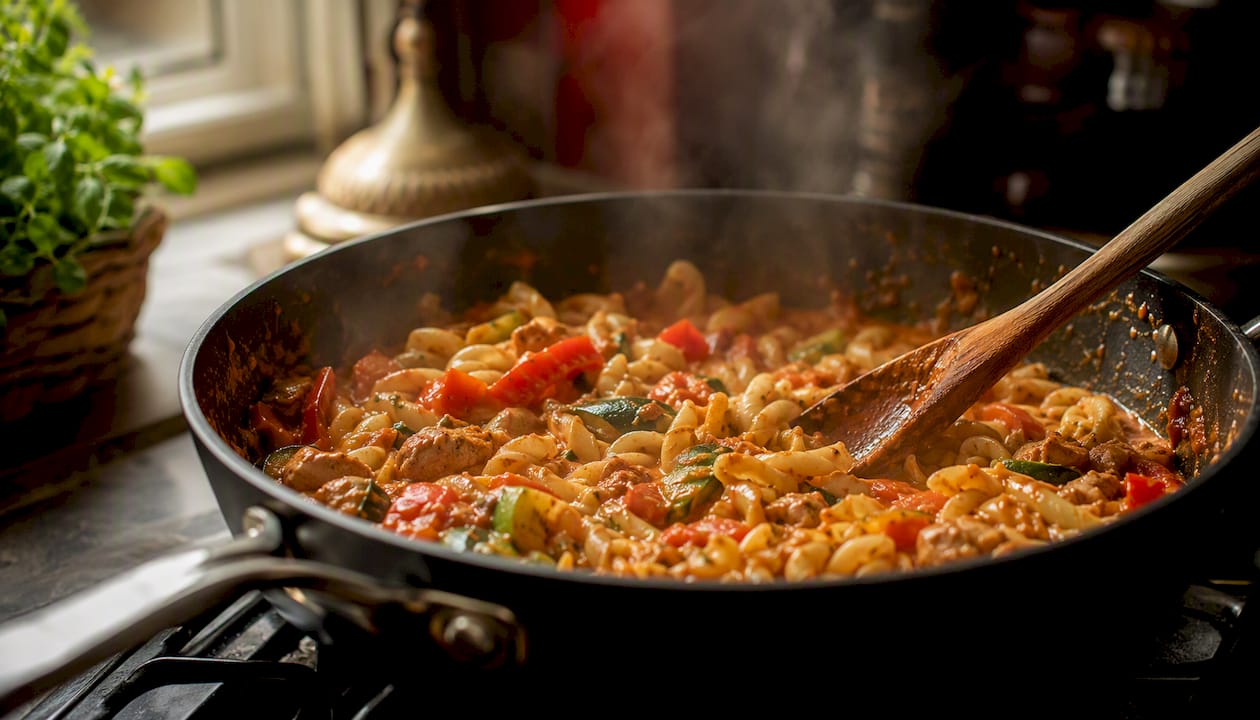
Batch cooking extends this logic across the week. Cook a double portion of pasta on Sunday, store it undressed in an airtight container in the fridge, and it will keep for up to four days. Portion it cold into containers with a measured amount of sauce and protein, and you have ready-to-reheat lunches or dinners that require no decision-making at 6 PM.
Pantry staples that make balanced pasta dinners possible in under 20 minutes:
- Dried pasta (whole-grain or semolina, multiple shapes)
- Canned whole tomatoes and tomato passata
- Canned chickpeas, lentils, and white beans
- Canned tuna or salmon
- Extra-virgin olive oil and garlic
- Dried herbs (oregano, basil, chilli flakes)
- Frozen spinach, peas, and edamame
Meal planning with convenient, quality options does not have to mean cooking from scratch every night. A well-stocked pantry and a reliable one-pot method cover most weeknights without stress. For more ideas on keeping prep light while eating well, holiday meal prep strategies for busy home cooks offer practical timing techniques that translate directly to weeknight pasta dinners.
How does this evidence apply in the Canadian context?
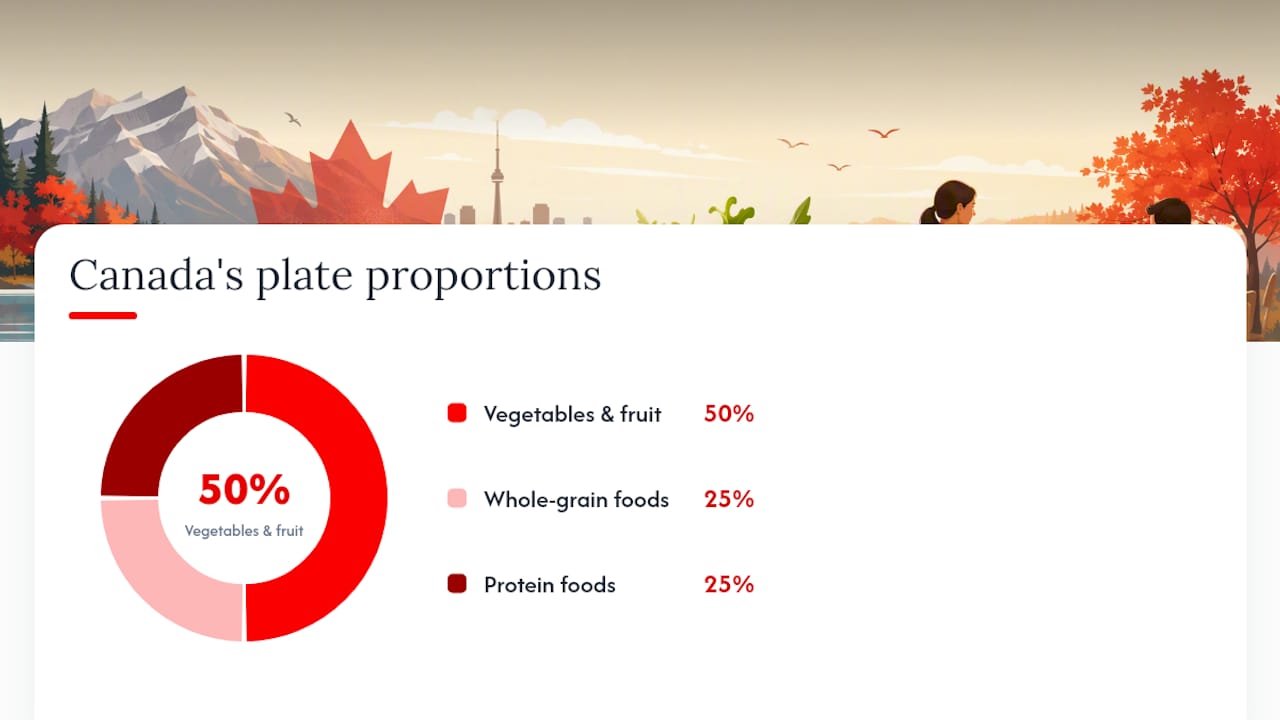
Canada's Food Guide recommends filling half your plate with vegetables and fruit, one-quarter with whole-grain foods, and one-quarter with protein foods. A well-built pasta dinner maps directly onto that template: pasta (ideally whole-grain) fills the grain quarter, a generous portion of vegetables fills half the plate, and a lean protein source completes it. The Guide does not single out pasta as a food to avoid; it emphasises variety, minimally processed foods, and cooking at home, all of which pasta dinners support.
Dietitians of Canada and registered dietitians across the country consistently note that no single food causes or prevents disease. The pattern of eating over weeks and months is what shapes health outcomes. Pasta, eaten in reasonable portions with wholesome accompaniments, fits comfortably within the dietary patterns associated with lower cardiometabolic risk in Canadian and international cohort data.
When to consult a registered dietitian or clinician:
- You have been diagnosed with type 2 diabetes or prediabetes and want specific carbohydrate targets.
- You are following a medically supervised weight-management plan.
- You have coeliac disease or a confirmed wheat allergy and need guidance on gluten-free pasta alternatives.
- You are managing a condition (kidney disease, irritable bowel syndrome) where fibre or specific nutrients require careful monitoring.
The evidence reviewed here is general population-level guidance. It is not a substitute for personalised advice from a qualified health professional.
Why we believe pasta earns its place on the weeknight table
There is a tendency in wellness culture to treat carbohydrates as the villain of the dinner plate, and pasta bears the brunt of that suspicion more than almost any other food. We think that framing misses the point entirely.
The cohort data is clear: pasta, when substituted for fried potato or white bread, is associated with lower cardiovascular risk, not higher. The NHANES analysis shows that people who eat pasta tend to have better overall diet quality, not worse. And the practical reality, which any honest meal planner will confirm, is that a food you can prepare in 20 minutes, stretch with whatever vegetables are in the fridge, and serve to a family without complaint is a food that actually gets eaten. Dietary adherence is the most underrated variable in nutrition, and pasta earns high marks there.
What we would push back on is the idea that pasta is automatically healthy regardless of preparation. A bowl of overcooked semolina pasta in a cream sauce with no vegetables and no protein is a missed opportunity. The noodle is neutral. The craft is in how you build the plate around it. Cook it al dente, pair it with colour and protein, choose whole-grain or legume pasta when you can, and pasta becomes one of the most wholesome, satisfying dinners you can put on the table.
Hellcrustpizza's pasta menu: wholesome ingredients, no shortcuts
At Hellcrustpizza, we put the same care into our pasta dishes that we bring to every item on our menu. Our dough philosophy, built on Biga multigrain preferment and a complete absence of artificial additives, reflects an unwavering commitment to quality that extends beyond pizza. Our pasta options are crafted to align with exactly the kind of balanced dinner this article describes: real ingredients, generous vegetable-forward combinations, and the kind of flavour that comes from doing things properly.

Whether you are feeding a family on a weeknight or looking for a quick, satisfying meal without the effort of cooking from scratch, our pasta dishes give you a wholesome dinner option you can feel good about. Pair one of our pasta meals with a side salad and you have a plate that mirrors the Canada's Food Guide template almost exactly. Browse our full menu and current deals at Hellcrustpizza and order tonight through our app for exclusive savings.
Sources
These are the primary sources behind the evidence in this article. Each is worth reading if you want to go deeper on any specific claim.
- Pasta consumption and diet quality — PMC
- Pasta meal intake and cardiometabolic outcomes — BMJ Nutrition, Prevention & Health
- Is pasta healthy? — Healthline
- WebMD: eat pasta slideshow