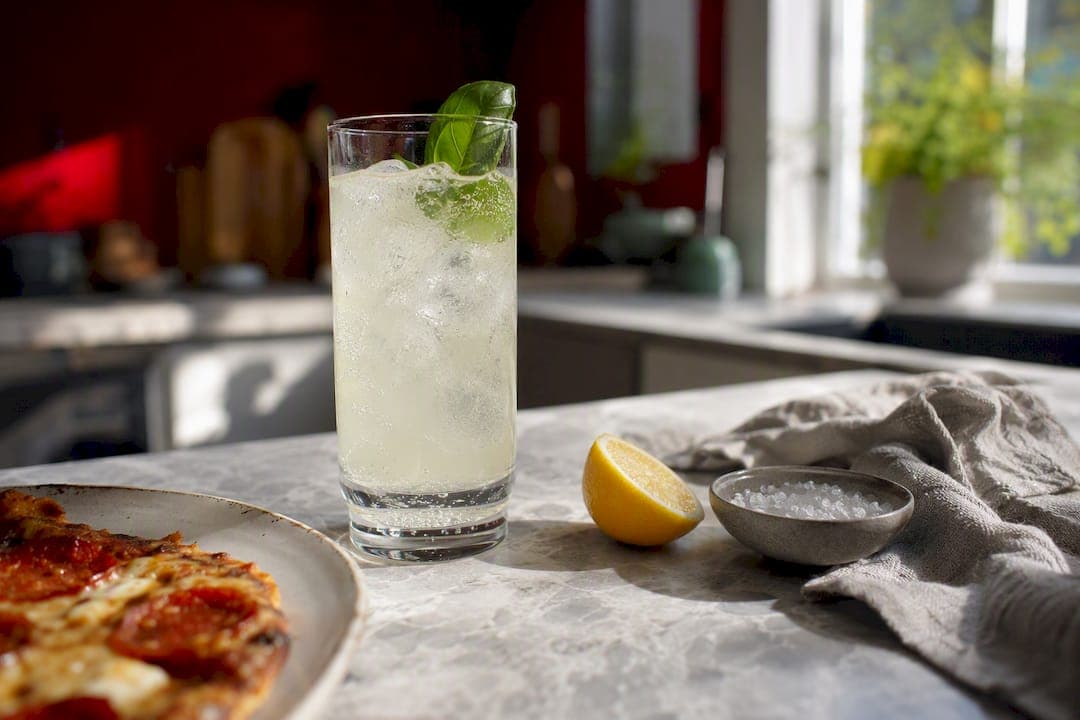
The best non-alcoholic pairings with pizza almost always come down to bubbles and brightness: sparkling water with citrus, a ginger-citrus shrub, an alcohol-free lager, or a crisp de-alcoholized white all work because they cut through fat and reset your palate between bites. The rule of thumb is simple: heavier, fattier pies want acid and carbonation to cut them; lighter, herb-forward pizzas do better with something delicate, floral, or gently fizzy.
TL;DR:
- Lighter pizzas with herbs pair best with delicate, floral, or gently fizzy non-alcoholic drinks like citrus-basil spritz or sparkling water.
- Heavy, greasy pies such as meat-laden or deep-dish pizzas require acidic, carbonated beverages like NA lagers, amber ales, or cola with bitter citrus to cut through fat.
- Acid and carbonation are key to palate cleansing; bubbles mechanically disrupt oily films, and acidity balances fat and salt layers on the pizza.
- Avoid overly sweet, creamy, or heavily flavoured juices and soft drinks that can overpower and leave the palate coated or overwhelmed.
- Sugar- and caffeine-free options like sparkling water with citrus, herbal teas, or low-sugar shrubs suit most pizza styles and are suitable for those avoiding stimulants.
Table of Contents
- Best non-alcoholic drinks with pizza by style
- Why do carbonation and acidity matter with pizza?
- Six non alcoholic pizza pairings you can make tonight
- How to pick and serve non-alcoholic drinks with pizza
- Non-alcoholic drinks that don't work with pizza
- What if you're avoiding sugar or caffeine?
- Why we think about drinks as much as dough
- Order the pizza, then pour the pairing
- Sources
Best non-alcoholic drinks with pizza by style
Not every pizza wants the same glass beside it. A Margherita and a meat-lovers deep-dish ask for completely different things from your drink, and treating them the same is where most pizza nights fall short.
- Margherita: A de-alcoholized Sauvignon-style white or a lemon-basil sparkling water works because the wine's grassy acidity echoes the basil while cutting the tomato's sweetness. Serve cold, around 8 to 10°C, so the acidity stays crisp rather than flabby.
- Pepperoni and meat-heavy pies: Reach for a non alcoholic beer, ideally an NA lager, or a ginger-citrus shrub soda. Carbonation and acid scrub away rendered fat, and ginger's gentle heat calms any chili-oil spice without fighting it.
- Four-cheese and white pizzas: A rosemary tonic or botanical tonic with lemon handles the richness. The herbal note mirrors the pizza's savoury depth while the quinine bitterness and acidity keep the cheese from feeling heavy on the tongue.
- Mushroom and truffle: Pour a non alcoholic sparkling rosé or a black-tea mocktail. Both bring a light tannic or roasty backbone that keeps pace with earthy flavours instead of drowning them out, which is the continuity move rather than the contrast move.
- BBQ and smoky pies: A cold-brew smoky tea (Lapsang souchong works well) doubles down on the char, while a berry shrub takes the opposite route, offering tart contrast against the sweetness of barbecue sauce.
- Deep-dish and meat-laden pizzas: These need muscle. A full-bodied NA amber ale or a cola cut with bitter citrus (think grapefruit peel) brings enough malt sweetness and carbonation to scrub through layers of cheese and sausage.
- Vegetarian and herb-forward pizzas: Keep it delicate. Cucumber-infused sparkling water or a citrus-basil spritz supports without overwhelming, letting the vegetables and herbs stay front and centre.
If you've ever wondered how sauce acidity changes the way a slice tastes, it's worth reading how sauce shapes pizza flavour, since that same acid-forward thinking is exactly what drives these drink choices. The same logic applies on the cheese side. Understanding how different cheeses behave on the palate explains why a rosemary tonic feels like relief on a four-cheese pie but disappears next to a Margherita.
Why do carbonation and acidity matter with pizza?
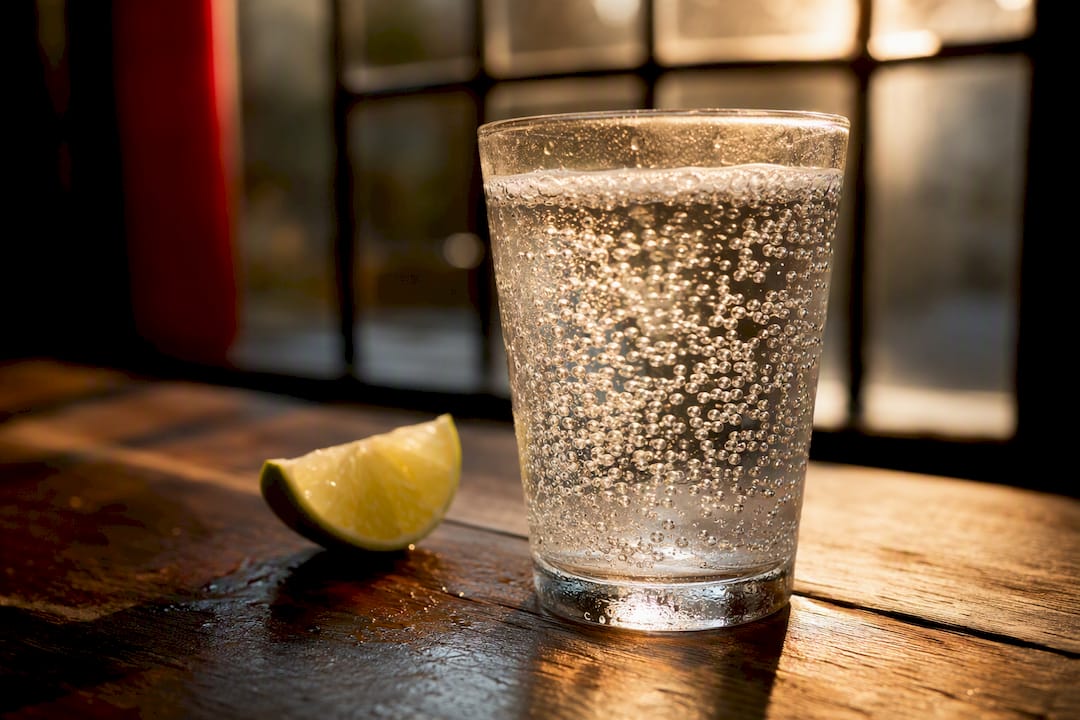
Pizza is fat, salt, and starch layered together, and your palate needs a way to reset between bites or everything starts tasting the same by slice three. Carbonation does that mechanically. Bubbles physically disrupt the oily film cheese and pepperoni leave behind, which is why an ice-cold sparkling drink feels so much more refreshing than a flat one.
A Foods journal study on carbonated beverages found that consumers overwhelmingly describe carbonated drinks by their cooling and fizziness. Cooling showed up as a top descriptor for the majority of participants and carbonation itself was also frequently noted, confirming that bubbles aren't just a texture gimmick, they're doing real palate-cleansing work.
Acidity plays a similar role to fat that bitterness plays to salt: it balances rather than fights. Academic reviews of flavour-pairing research show this principle applies well beyond wine and cheese, extending into beer, tea, and other beverage categories used alongside food.
Match intensity to the pizza's weight. Heavy, greasy pies call for contrast, something acidic or bitter that cuts through. Delicate, herb-driven pizzas call for continuity, a drink that echoes rather than competes.
That's the whole system in one sentence, and it's backed by the same contrast-versus-continuity logic Serious Eats uses when pairing drinks with food generally.
Six non alcoholic pizza pairings you can make tonight
None of these take more than ten minutes, and most scale easily if you're hosting.
- Citrus-basil spritz: 60 ml fresh lemon juice, 6 muddled basil leaves, 30 ml simple syrup, topped with 120 ml sparkling water over ice.
- Ginger-citrus shrub soda: 45 ml ginger shrub (or fresh ginger syrup with a splash of apple cider vinegar), 30 ml orange juice, topped with soda water.
- Rosemary-lemon tonic: 30 ml rosemary simple syrup, 20 ml lemon juice, topped with 150 ml tonic water and a rosemary sprig.
- Cherry-cola shrub: 45 ml tart cherry shrub mixed with 150 ml cola, served over ice with a lime wedge; pairs especially well with meat-laden pies.
- Berry-verjus soda: 30 ml verjus, 20 ml mixed berry purée, topped with soda water; a tart, low-sugar option for sweet-savoury BBQ pizzas.
- Cold-brew Lapsang or jasmine iced tea: steep double-strength, chill, and serve over ice; smoky Lapsang mirrors char, jasmine offers a floral counterpoint for delicate pies.
For lower sugar, cut simple syrups by half and lean on the citrus or shrub's natural tartness instead. Scaling for a party is just multiplication: batch the syrup or shrub component ahead of time and top individual glasses with soda or tonic fresh, so the fizz doesn't go flat sitting in a pitcher.
Pro Tip: Make your shrubs a day ahead. The vinegar mellows overnight, and the flavour rounds out into something closer to a fine balsamic than a sharp pickle note.
How to pick and serve non-alcoholic drinks with pizza
Scanning a menu or a store shelf gets easier once you know the words to look for: "de-alcoholized," "NA lager," "shrub," and "sparkling botanical" all signal a drink built with pairing in mind, not just a soft drink afterthought.
- Serve everything cold. Temperature matters as much as flavour, since warm carbonation goes flat fast and dulls acidity.
- Use tall glasses for sparkling options to preserve bubbles longer, and short tumblers for shrubs or teas.
- For groups, build a tasting flight: three 3-ounce pours let everyone sample without committing to a full glass, an approach pizza industry operators increasingly use to boost trial.
- For a full table, batch into a pitcher and finish each glass with a fresh splash of soda or tonic right before serving.
Pro Tip: If you're only buying one non-alcoholic beer, pick an NA lager over an NA stout. Lagers carry the crisp carbonation pizza needs; heavier stouts can compete with rich toppings instead of cutting through them.
Non-alcoholic drinks that don't work with pizza
Some drinks fight pizza rather than complement it, and it's worth knowing which ones before you pour.
Overly sweet sodas, think cream soda or heavily sugared cola without any bitter citrus balance, tend to coat the palate in sugar on top of an already rich slice, leaving you feeling heavier rather than refreshed. Thick, creamy drinks like milkshakes or heavy dairy-based lattes do something similar: fat plus fat plus starch is a dead end, with nothing in the glass to cut through the meal.
Very high-tannin black teas served hot can clash with tomato sauce's acidity, creating a metallic, chalky sensation rather than a clean finish. Flat, warm soft drinks are another quiet failure. Once the fizz is gone, so is the palate-cleansing job carbonation was supposed to do, leaving you with syrupy sweetness and nothing else.
Strongly flavoured juices, especially cranberry or grape, can also overwhelm delicate pizzas like a plain Margherita, burying the basil and mozzarella under fruit intensity that has nothing to do with the slice in your hand. The fix in most of these cases is the same: look for something with acid, bitterness, or bubbles doing active work, not just sweetness sitting passively in the glass.
What if you're avoiding sugar or caffeine?
Pizza night shouldn't mean choosing between what tastes good and what fits your day-to-day habits, and most of the pairings above adapt easily either way.
For sugar-conscious drinkers, skip the simple syrup in the citrus-basil spritz and lean on the lemon and basil alone, or use a sugar-free tonic water in the rosemary-lemon tonic. Shrubs are naturally lower in sugar than most sodas since the vinegar's sharpness does a lot of the flavour work that sugar would otherwise need to do. Plain sparkling water with a squeeze of citrus remains the most reliable zero-sugar option across every pizza style, from Margherita to deep-dish.
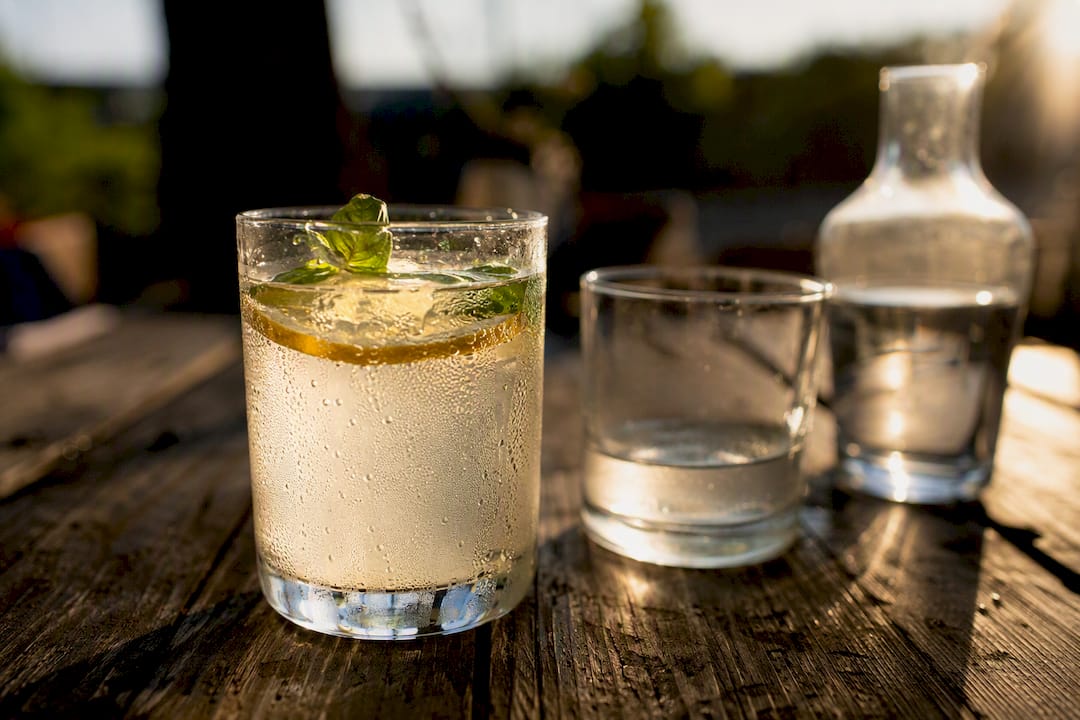
Caffeine-free drinkers can enjoy nearly the whole list without adjustment; only the cold-brew Lapsang and jasmine iced tea contain caffeine. Herbal tea blends, like a chilled hibiscus or rooibos steeped strong and served over ice, make a good stand-in for the smoky or floral roles those teas fill. NA lagers, tonics, shrubs, and sparkling water are all naturally caffeine-free, which makes them safe defaults for evening pizza nights with kids or anyone cutting back on stimulants.
Why we think about drinks as much as dough
We spend our days obsessing over Biga multigrain dough and additive-free ingredients because pizza deserves that kind of care, and we think what's in your glass deserves the same attention. A thoughtful pairing turns a weeknight order into something worth savouring. Next time you order in, try matching the drink to the pie, not just grabbing whatever's cold.
— jaskirat Singh
Order the pizza, then pour the pairing
Hellcrustpizza's Biga multigrain, additive-free dough gives you a cleaner canvas for exactly the kind of pairing this guide walks through, which matters because a heavier, greasier crust would just fight your drink instead of working with it. Order a classic Margherita and pour a lemon-basil sparkling water alongside it, or go the other direction with a meat-lovers pie and a ginger-citrus shrub to cut through the fat.

Either way, you're building a pairing on a dough that was made to let toppings and drinks both shine rather than compete with them. Head to Hellcrustpizza to place your order and pick your pizza style, then match it to the drink category above before it arrives.
Sources
For readers who want to go deeper into the science and craft behind these pairings, a few sources are worth bookmarking: the Foods journal study on carbonation for the sensory data behind why bubbles refresh the palate, Serious Eats' pairing primer for practical contrast-versus-continuity logic, WSET's pizza pairing guide for industry-standard matches you can adapt to de-alcoholized versions, and this gastronomy trends overview for where non-alcoholic beverage programs are headed next.
- Carbonation perception and texture characteristics of carbonated beverages
- Academic review of flavour pairing research and wine/cheese paradigms
- The basics of pairing drinks with your food