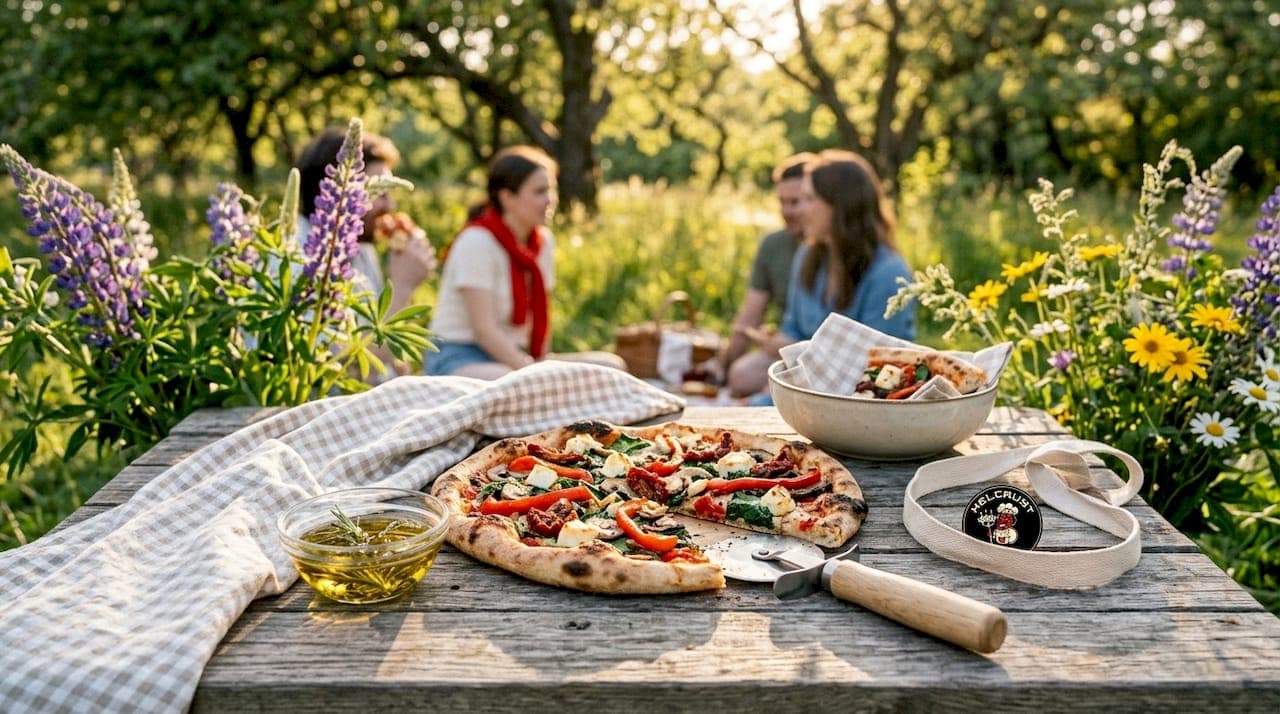
Vegetarian pizza toppings are defined as plant-based ingredients that replace meat on pizza, and their popularity is growing faster than any other topping category in 2026. The shift is not driven by ideology. Flexitarian diners fuel this growth by seeking convenient meatless meals without committing fully to vegetarianism. Gourmet ingredients like Calabrian chili, truffle oil, burrata, and paneer are raising flavour expectations, making veggie pizzas genuinely exciting rather than a reluctant compromise. At Hellcrustpizza, we see this shift every week in the orders that come through our doors, and it tells a clear story about where food culture is heading.
Why are vegetarian pizza toppings growing so fast?
The growth in vegetarian pizza toppings is not a passing trend. It reflects a structural change in how people eat. Flexitarian consumers want occasional meatless meals for health reasons, variety, or simply to feel lighter after a meal, without abandoning meat entirely. This group is now large enough to move menus.
Pizza is uniquely suited to serve this shift. Its modular structure means a table of six can order one pizza with prosciutto and another loaded with roasted peppers, spinach, and goat cheese, with no friction and no separate kitchen workflow. Pizza's modular components allow operators to add plant-based cheeses and proteins without disrupting kitchen operations, which accelerates mainstream adoption.
Vegetarian toppings have also moved from the "special request" column to the standard menu. What was once a niche offering is now a permanent fixture. Pizzerias that once listed one or two veggie options now dedicate entire menu sections to them. That shift signals genuine consumer demand, not just accommodation.
Key reasons flexitarians choose veggie pizza:
- They want the comfort of pizza without the heaviness of processed meat.
- Mixed groups can share one order without anyone compromising.
- Meatless options often cost less, making them attractive for families.
- Health-conscious diners appreciate the lighter feeling after eating.
Pro Tip: If you are ordering for a mixed group, choose a base that works for everyone, such as a classic tomato sauce on a multigrain crust, then let toppings do the customising. Everyone gets what they want from one order.
What are the health benefits of vegetarian pizza toppings?
Vegetarian toppings improve the nutritional profile of pizza in measurable ways. Vegetarian pizza slices typically provide 200–300 calories, with 10–15g of protein and 2–4g of dietary fibre, offering a more balanced profile than meat-heavy options. That fibre difference matters because most Canadians do not meet their daily fibre targets.
The healthiness of a veggie pizza depends heavily on preparation choices, not just toppings. Crust type and cheese quantity influence the overall nutritional outcome as much as the vegetables themselves. A thin whole-grain crust with moderate mozzarella and a generous layer of roasted vegetables delivers a genuinely nourishing meal. A thick white-flour base buried under four cheeses does not, regardless of the spinach on top.
Pairing vegetarian toppings with a multigrain pizza base amplifies the nutritional benefit. Hellcrustpizza's Biga multigrain dough, made without artificial additives, is crafted specifically to support this kind of wholesome eating.
| Topping | Key Nutrient | Health Contribution |
|---|---|---|
| Spinach | Iron, folate | Supports red blood cell production |
| Red bell pepper | Vitamin C | Boosts immune function |
| Mushrooms | B vitamins, selenium | Supports energy metabolism |
| Artichoke hearts | Dietary fibre | Aids digestion and satiety |
| Sun-dried tomatoes | Lycopene | Antioxidant, supports heart health |
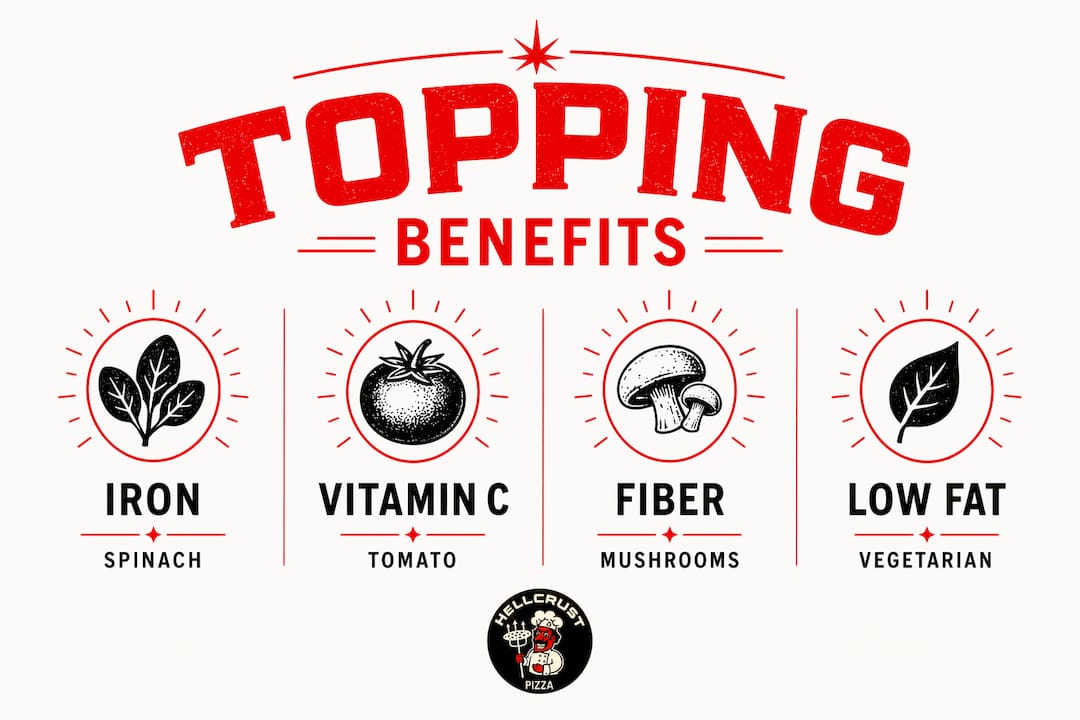
Lower saturated fat is the clearest advantage vegetarian toppings offer over processed meats like pepperoni or sausage. Health-conscious offerings combined with digital convenience are identified as the two primary growth drivers in quick-service food markets right now. That combination is hard to beat.
How is culinary innovation changing vegetarian pizza toppings?
Vegetarian pizza has shed its reputation as the "safe" or "boring" option. Gourmet toppings like Calabrian chili, paneer, truffle oil, and burrata are now popular precisely because they create complex flavour layers that compete directly with meat. This is the most significant shift in the category over the past three years.
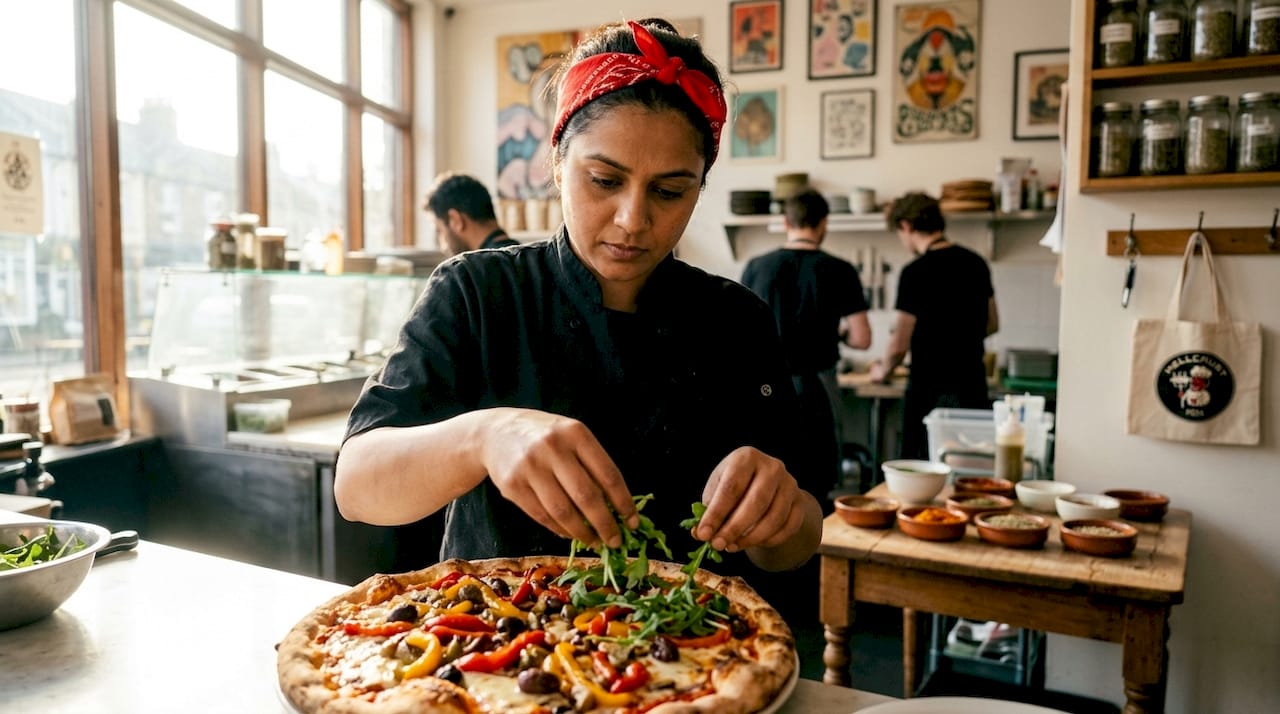
The key to replacing meat's flavour role is understanding umami and texture. Mushrooms, particularly cremini or shiitake, deliver deep savoury notes. Roasted garlic adds sweetness and depth. Caramelised onions bring richness. These ingredients do not mimic meat. They build their own compelling flavour story. You can read more about how gourmet cheeses enhance flavour and texture in vegetarian combinations.
Globally inspired ingredients are also reshaping veggie topping preferences. Paneer brings a mild, firm bite that holds up beautifully in the oven. Za'atar and sumac add brightness. Harissa paste beneath the cheese creates a warm, smoky base. These are not experimental novelties. They are appearing on menus from casual pizzerias to upscale restaurants because customers are ordering them repeatedly.
| Approach | Classic Vegetarian | Gourmet Vegetarian |
|---|---|---|
| Flavour base | Tomato sauce, basic herbs | Harissa, white truffle oil, pesto |
| Protein element | None or basic cheese | Paneer, burrata, whipped ricotta |
| Texture contrast | Soft vegetables | Roasted, caramelised, or pickled elements |
| Flavour intensity | Mild | Bold, layered, umami-forward |
Vegetarian pizza's appeal now includes providing a satisfying experience that does not feel like a compromise to meat-eaters. Market observers note that "Very Veg" pizzas are increasingly marketed to meat-eaters as full, flavourful entrées rather than secondary options. That repositioning is what drives repeat orders.
Pro Tip: For a quick umami boost at home, add a thin layer of white miso paste beneath your tomato sauce. It deepens the flavour without announcing itself, and it pairs beautifully with mushrooms and caramelised onions. Pair with premium pizza toppings for best results.
Gourmet and vegan flavour innovation is not limited to pizza. Trending vegan flavour profiles across the food industry show that consumers are actively seeking bold, plant-forward taste experiences in every category.
How do you prepare vegetarian pizza toppings properly?
Proper preparation separates a great veggie pizza from a soggy disappointment. Sautéing or salting water-rich vegetables before baking removes excess moisture and prevents the crust from becoming wet and limp. This single step makes the biggest difference in texture.
Follow this order for consistently good results:
- Pre-cook watery vegetables. Zucchini, mushrooms, and spinach release significant moisture. Sauté them in a dry pan or salt them and pat dry before adding to the pizza.
- Spread sauce thinly. Too much sauce is the second most common cause of sogginess. A thin, even layer is all you need.
- Add cheese before toppings. Placing vegetables on top of cheese promotes roasting rather than steaming, giving toppings a better texture and colour.
- Roast at high heat. A temperature of 230°C or higher caramelises the edges of vegetables and concentrates their flavour.
- Add delicate garnishes after baking. Fresh basil or arugula added post-bake preserves their bright character and prevents burning. A drizzle of good olive oil at this stage adds richness without heaviness.
These techniques apply whether you are cooking at home or running a professional kitchen. The principles are the same: manage moisture, build in layers, and finish with freshness.
What does the future hold for vegetarian pizza toppings?
Plant-based pizza options are moving from niche to permanent menu features across the industry. Vegan cheese, plant-based sausage, and gluten-free crusts now allow pizzerias to serve mixed dietary preferences within a single order. That flexibility is not a courtesy. It is a commercial necessity for any pizzeria serving diverse groups.
Digital ordering has played a meaningful role in this growth. Online menus make it easy to filter by dietary preference, which surfaces vegetarian options to customers who might not have sought them out in a printed menu. Promotions and deals targeted at veggie combinations have also introduced new customers to options they then reorder regularly.
Looking ahead, the category will continue expanding in a few clear directions:
- Alternative proteins like jackfruit, tempeh, and lentil-based toppings will become more common on mainstream menus.
- Regional and globally inspired vegetarian combinations will grow as customers become more adventurous.
- Health-positioned veggie pizzas, paired with whole-grain or Biga-style crusts, will appeal to a growing segment of wellness-focused diners.
- Digital platforms will use order history to recommend vegetarian combinations, making discovery easier and repeat orders more likely.
The trend is not anti-meat. The flexitarian market represents an expansion in consumer choice, not a rejection of traditional options. Pizzerias that understand this distinction will build a broader, more loyal customer base.
Key takeaways
Vegetarian pizza toppings are growing because they deliver genuine flavour, better nutrition, and menu flexibility that serves both flexitarian and health-conscious diners equally well.
| Point | Details |
|---|---|
| Flexitarians drive growth | Most veggie pizza orders come from mainstream diners seeking occasional meatless meals, not strict vegetarians. |
| Nutrition depends on preparation | Crust type, cheese quantity, and cooking method matter as much as the vegetable toppings themselves. |
| Gourmet toppings change the game | Ingredients like burrata, paneer, and Calabrian chili create bold flavour profiles that appeal to meat-eaters too. |
| Moisture management is critical | Sautéing or salting watery vegetables before baking is the single most effective technique for better texture. |
| The market keeps expanding | Alternative proteins and globally inspired combinations will continue broadening vegetarian pizza menus through 2026 and beyond. |
What I have learned from watching the veggie pizza category grow
by jaskirat
I have watched the vegetarian pizza category shift from an afterthought to a genuine culinary conversation, and the change has been more interesting than most food writers acknowledge. The real story is not that people are eating less meat. It is that they are eating more thoughtfully, and pizza is one of the few foods flexible enough to meet them exactly where they are.
What strikes me most is how gourmet vegetarian toppings have changed the conversation at the table. When a pizza arrives with roasted garlic, whipped ricotta, and a post-bake drizzle of truffle oil, nobody at the table feels like they are settling. That shift in perception is worth more than any nutritional argument.
My honest observation for home cooks and restaurants alike: stop treating vegetarian pizza as a subtraction. You are not removing meat. You are building a different flavour architecture, and that requires its own logic. Roasting, caramelising, and layering textures are the skills that make it work. The crust matters too. A well-fermented Biga dough, like the one Hellcrustpizza crafts without artificial additives, gives vegetarian toppings a base with enough character to hold its own. That foundation changes everything.
— jaskirat
Hellcrustpizza's vegetarian pizzas: crafted with care
Hellcrustpizza has built its menu around the belief that great pizza starts with great ingredients. Our Biga multigrain dough, free from artificial additives, is the foundation every topping deserves.

Whether you are curious about a classic Margherita or want to try something bolder with roasted peppers, paneer, or sun-dried tomatoes, our vegetarian options are crafted to satisfy. We offer Mix & Match deals that make it easy to explore multiple combinations in one order, perfect for groups with different preferences. Check our current pizza coupons for the best value on vegetarian and specialty pizzas. Every order is made with the same unwavering commitment to quality that defines everything we do.
FAQ
Why are vegetarian pizza toppings becoming more popular?
Vegetarian pizza toppings are growing because flexitarian diners want occasional meatless meals that are satisfying and flavourful, not because of a wholesale shift away from meat. Gourmet ingredients and better preparation techniques have made veggie pizzas genuinely competitive with meat options.
Are vegetarian pizzas actually healthier?
Vegetarian pizza slices typically provide 200–300 calories with lower saturated fat and higher fibre than meat-topped options. The overall healthiness depends on crust type and cheese quantity as much as the toppings themselves.
What are the best vegetarian pizza topping combinations worth trying?
Strong combinations include roasted mushrooms with truffle oil and burrata, spinach with sun-dried tomatoes and goat cheese, and paneer with harissa and caramelised onions. Each pairing balances umami, texture, and brightness.
How do I stop vegetarian pizza from getting soggy?
Sauté or salt water-rich vegetables like zucchini, mushrooms, and spinach before baking, then place them on top of the cheese rather than beneath it. This promotes roasting instead of steaming and keeps the crust crisp.
What vegetarian pizza trends are coming in 2026?
Alternative proteins like jackfruit and tempeh, globally inspired toppings such as za'atar and harissa, and whole-grain or Biga-style crusts paired with fresh vegetables are the strongest emerging trends in vegetarian pizza for 2026.