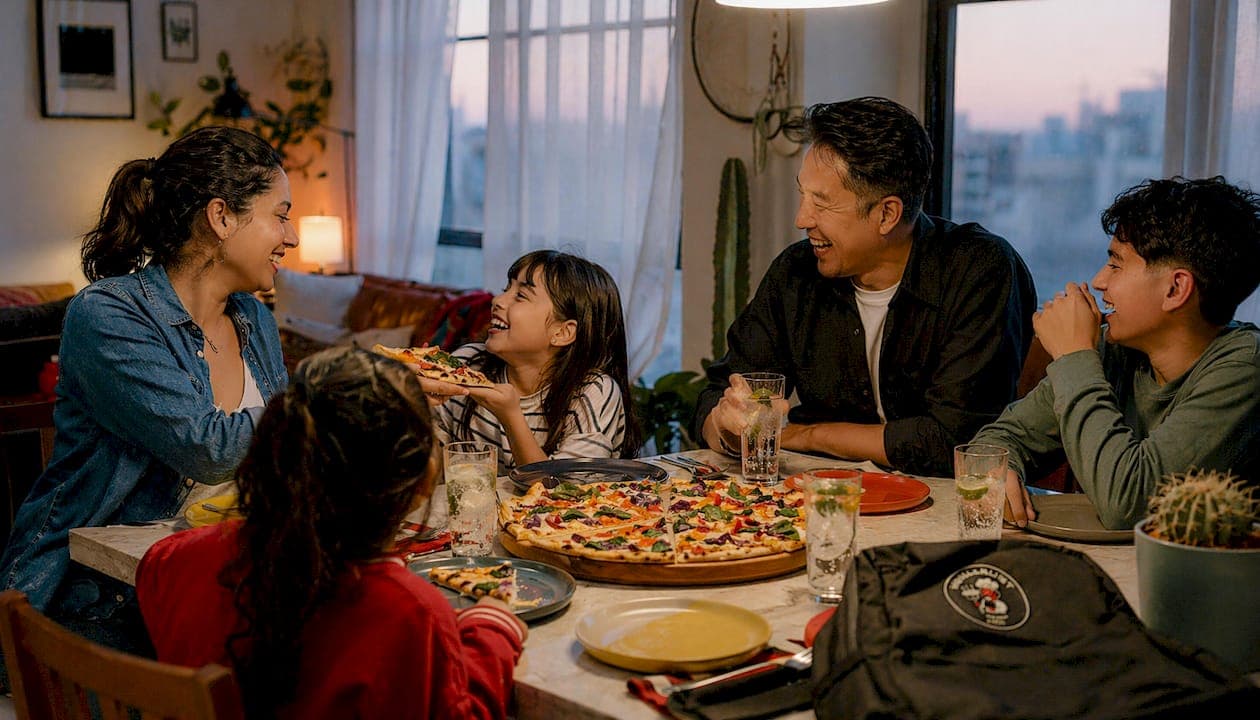
Inclusive pizza toppings are ingredients chosen to satisfy a wide range of dietary needs, from vegan and gluten-free to allergen-friendly, so every person at the table can eat the same meal without compromise. As of Q1 2026, 72% of Millennials actively seek gluten-free options on menus, and 64% of Gen Z would choose a different restaurant if inclusive options were missing. That shift makes understanding what are inclusive pizza toppings not just a courtesy but a practical necessity for families ordering together. Hellcrustpizza has built its entire menu philosophy around this reality, crafting options that honour both flavour and dietary diversity.
What are inclusive pizza toppings?
Inclusive pizza toppings are ingredients that work across multiple dietary categories at once. A topping qualifies as inclusive when it is free from common allergens, suitable for plant-based diets, and capable of delivering genuine flavour without relying on meat or dairy. Think roasted red peppers, caramelised onions, artichoke hearts, sun-dried tomatoes, olives, and fresh basil. These are not compromise ingredients. They are full-flavoured components that hold their own on any pizza.
Plant-based proteins like seasoned lentils, chickpeas, and vegan sausage made from pea protein also qualify. They replicate the savoury, satisfying quality of traditional meat toppings without excluding vegetarians or vegans. Intentional preparation of plant-based toppings, through roasting, seasoning, and thoughtful pairing, elevates them beyond simple substitutions into complex, balanced flavours.
Allergen-friendly toppings go one step further. They avoid the top 14 allergens recognised by food safety standards, including gluten, dairy, eggs, and tree nuts. When you combine allergen-free ingredients with a certified gluten-free base, the pizza becomes accessible to guests with celiac disease, lactose intolerance, or nut allergies.
- Plant-based toppings: roasted vegetables (zucchini, eggplant, capsicum), fresh herbs, vegan mozzarella, marinated tofu
- Allergen-friendly toppings: olives, capers, roasted garlic, fresh tomato, spinach, mushrooms (pre-cooked)
- Vegan proteins: pea protein sausage, seasoned chickpeas, lentil crumble
- Gluten-free safe toppings: any whole vegetable or fruit topping, provided it is not marinated in soy sauce or malt vinegar
Pro Tip: Always confirm that vegan cheeses and plant-based sausages are produced in a facility free from cross-contact with dairy or gluten. The label "dairy-free" does not automatically mean the product is safe for someone with a severe dairy allergy.
How to balance flavour and function with inclusive toppings
Flavour and function are inseparable when building an inclusive pizza. Every topping plays a structural role: it contributes moisture, fat, umami, or texture. When you swap a traditional topping for an inclusive alternative, you need to replicate that role, not just the visual appearance.
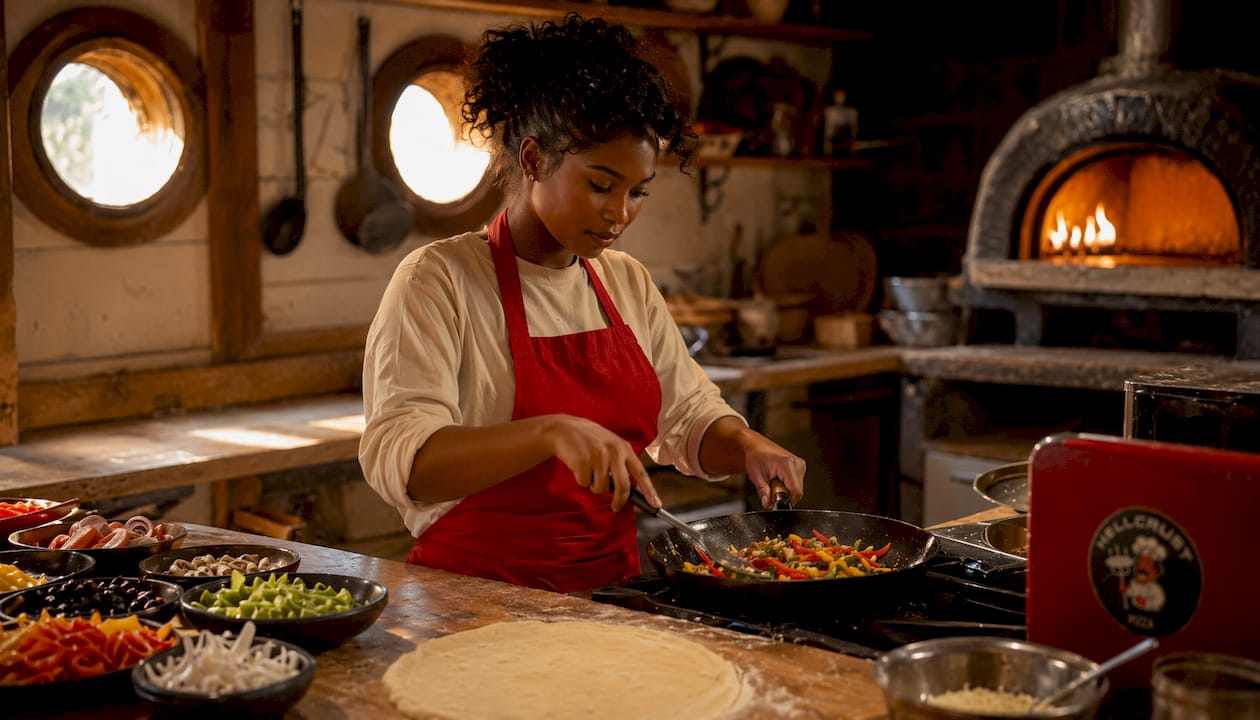
Moisture is the biggest technical challenge. Raw mushrooms contain roughly 90% water, and placing them directly on a pizza releases that water during baking, turning the crust soggy. Pre-cooking mushrooms in a dry pan until their liquid evaporates solves this entirely. The same principle applies to zucchini, spinach, and vegan cheeses with high water content.
| Topping | Challenge | Inclusive solution |
|---|---|---|
| Mushrooms | High moisture content | Sauté until dry before adding |
| Vegan mozzarella | Uneven melt | Use shredded style; add halfway through baking |
| Spinach | Wilts and releases water | Blanch, squeeze dry, then add |
| Capsicum | Softens unevenly | Roast first for concentrated flavour |
| Pea protein sausage | Lacks fat for browning | Brush lightly with olive oil before baking |
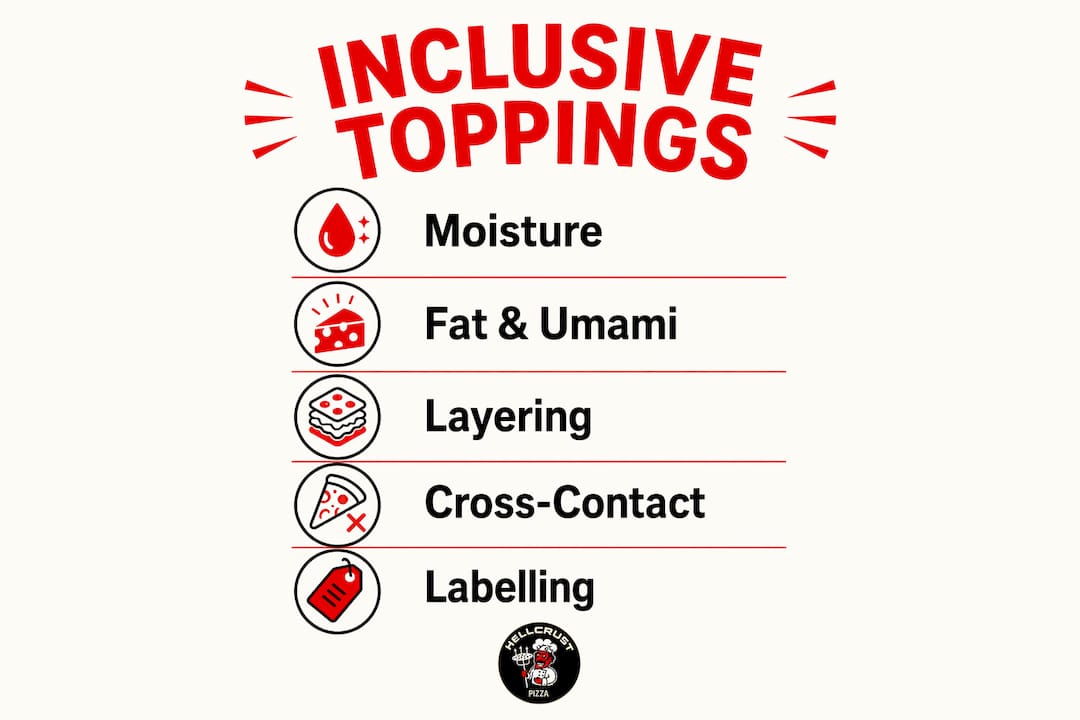
Fat and umami are the other two pillars. Traditional pepperoni delivers both through its cured meat fat and fermented flavour. Olives, capers, and sun-dried tomatoes replicate umami beautifully. A drizzle of good olive oil over roasted vegetables replaces the fat contribution. Functional performance under heat is as important as flavour in topping selection, especially for inclusive menus.
Pro Tip: Layer your toppings strategically. Place moisture-heavy ingredients directly on the sauce, then add cheese on top to act as a moisture barrier. Finish with delicate herbs like fresh basil after baking, not before.
What frameworks help when ordering for groups with diverse diets?
Group pizza ordering becomes straightforward with a clear framework. Experts recommend a 50/25/25 split: 50% classic toppings, 25% secondary favourites, and 25% inclusive or specialty pizzas. This ratio satisfies the majority while making sure no one is left without a genuine option.
A practical four-pizza group order looks like this:
- Classic cheese pizza — satisfies the broadest audience and works as a neutral base for picky eaters
- Pepperoni or meat lovers — covers the traditional preference for roughly half the group
- Vegetarian with confirmed no-meat-contact preparation — serves guests who avoid meat but eat dairy
- Vegan or certified gluten-free pizza — serves guests with the most specific dietary needs
Vegetarian pizzas require careful preparation to avoid meat contact and shared equipment contamination. A pizza labelled "vegetarian" on a menu is not always safe for someone with a severe allergy or a strict vegan diet unless the kitchen confirms separate preparation. Always ask.
Clear labelling matters as much as the ingredients themselves. When you pick up a group order, mark each box with a simple label: "V" for vegetarian, "VE" for vegan, "GF" for gluten-free. This prevents mix-ups at the table and removes the guesswork for guests managing their own dietary needs. You can find a thorough family order checklist that covers these steps in detail.
What should you look for in inclusive pizza bases and cheeses?
The base and cheese are the foundation of any inclusive pizza. Getting them right matters more than any topping choice. A pizza base labelled gluten-free must be certified and free from wheat, barley, and rye to be genuinely safe for guests with celiac disease or gluten sensitivity. Not all "free-from" claims carry equal weight.
Manufacturing transparency is the standard to look for. A certified gluten-free base comes from a facility with documented allergen controls, not just a recipe that omits wheat flour. The same scrutiny applies to vegan cheeses. Some dairy-free cheeses are produced on shared lines with dairy products, which makes them unsuitable for guests with severe dairy allergies.
- What to look for in a gluten-free base: third-party certification, clear allergen declaration, no shared equipment with gluten-containing products
- What to look for in vegan cheese: produced in a dairy-free facility, melts evenly under heat, made from cashew, coconut oil, or pea protein bases
- What to avoid: bases with vague "may contain" warnings when serving someone with celiac disease; vegan cheeses that separate or turn oily at high temperatures
Hellcrustpizza uses a Biga multigrain dough that is crafted without artificial additives, giving you a wholesome base with genuine flavour and structure. For guests who need a certified gluten-free option, understanding what to look for in allergen-friendly bases helps you ask the right questions when ordering from any provider.
How can you enjoy inclusive toppings without losing flavour or tradition?
The best inclusive pizzas respect what makes pizza great in the first place: a crisp, flavourful crust, a balanced sauce, and toppings that complement rather than compete. True inclusivity respects pizza tradition and avoids adding novelty ingredients solely for shock value that compromises quality.
Gourmet pairings work beautifully within inclusive frameworks. Roasted butternut squash with fresh sage and a drizzle of balsamic reduction is vegan, gluten-free, and genuinely delicious. Fig and caramelised onion with vegan ricotta is another pairing that satisfies every eater at the table. These combinations succeed because they follow the same flavour logic as traditional pizzas: sweet, savoury, acidic, and rich in balance.
- Winning inclusive combinations: roasted capsicum, olive, and artichoke; spinach, roasted garlic, and vegan feta; sun-dried tomato, basil, and capers
- Toppings that perform well under heat: olives, capers, roasted vegetables, vegan sausage, fresh tomato added post-bake
- Toppings to use sparingly: fresh fruit (pineapple releases sugar and moisture), raw onion (softens unevenly), watery vegan cheeses
"Inclusive dining has shifted from a niche accommodation to a key driver of customer loyalty. Restaurants that offer genuinely accredited vegan and allergen-friendly pizzas allow diverse groups to dine together without compromise. That is not a trend. It is the new standard."
Vegetarian pizza toppings have grown significantly in 2026 precisely because families want options that feel crafted, not cobbled together. The goal is a pizza that a non-vegan would choose freely, not one they tolerate out of politeness.
Key takeaways
Inclusive pizza toppings work best when they are chosen with the same intentionality as classic toppings, prioritising flavour, function, and allergen safety in equal measure.
| Point | Details |
|---|---|
| Define inclusivity clearly | Inclusive toppings meet vegan, gluten-free, and allergen-friendly standards simultaneously. |
| Manage moisture first | Pre-cook wet toppings like mushrooms and spinach to protect crust texture. |
| Use the 50/25/25 framework | Split group orders into classic, secondary, and inclusive pizzas to satisfy everyone. |
| Verify base and cheese certifications | Gluten-free and vegan claims require third-party certification, not just a label. |
| Flavour and tradition still lead | The best inclusive pizzas follow classic flavour logic: balanced, savoury, and well-structured. |
Why inclusive toppings changed how I think about pizza
I used to think inclusive pizza was a polite concession. You ordered one sad veggie pizza for the one person at the table who "had restrictions," and everyone else got the real food. That thinking was wrong, and it took a few group dinners to prove it.
The turning point was watching a table of eight people, with diets ranging from celiac to vegan to "I'll eat anything," all reach for the same roasted capsicum and olive pizza before the pepperoni was half gone. Nobody chose it out of obligation. They chose it because it was genuinely the best-tasting option on the table. That pizza had been prepared with intention: pre-roasted vegetables, a well-seasoned vegan cheese that melted properly, and a crust with real structure.
What I have learned is that inclusive toppings are not a dietary workaround. They are a culinary discipline. The constraint of working within allergen-free and plant-based parameters forces you to think harder about flavour, texture, and balance. The result is often a better pizza for everyone. Fresh, quality ingredients are the non-negotiable starting point.
My practical advice: stop treating the inclusive pizza as the last choice. Order it first. Build the rest of the group order around it. You will be surprised how often it disappears before anything else.
— jaskirat Singh
Hellcrustpizza's approach to inclusive pizza for every table
Hellcrustpizza was built on the belief that nobody at the table should feel like an afterthought. Their Biga multigrain dough is crafted without artificial additives, giving every pizza a wholesome, flavourful foundation that families can feel good about.
Whether you are ordering for a group with mixed dietary needs or simply want a pizza that respects quality and flavour in equal measure, Hellcrustpizza offers vegan-friendly, allergen-conscious, and customisable options that do not ask you to choose between taste and inclusivity. Browse current pizza deals and specials to find a combination that works for your whole table, or visit Hellcrustpizza to explore the full menu and place your order with confidence.
FAQ
What are inclusive pizza toppings?
Inclusive pizza toppings are ingredients that accommodate multiple dietary needs at once, including vegan, gluten-free, and allergen-friendly requirements. Examples include roasted vegetables, olives, capers, sun-dried tomatoes, and plant-based proteins.
Are gluten-free pizza toppings safe for celiac disease?
Toppings alone are not enough. The base must be certified gluten-free and produced without cross-contact with wheat, barley, or rye to be genuinely safe for guests with celiac disease.
How do I order pizza for a group with different diets?
Use the 50/25/25 framework: 50% classic, 25% secondary favourites, and 25% inclusive or specialty pizzas. A standard group order includes one cheese, one meat, one vegetarian, and one vegan or gluten-free pizza.
Can vegan pizza toppings taste as good as traditional ones?
Yes, when prepared with intention. Roasting, seasoning, and pairing plant-based toppings correctly replicates the savoury depth and texture that meat and dairy provide, often producing a pizza that non-vegans choose freely.
What is the biggest mistake when making an inclusive pizza?
Skipping moisture management. Placing raw, water-heavy toppings like mushrooms or spinach directly on the pizza releases liquid during baking and produces a soggy crust. Pre-cooking these ingredients before adding them solves the problem entirely.