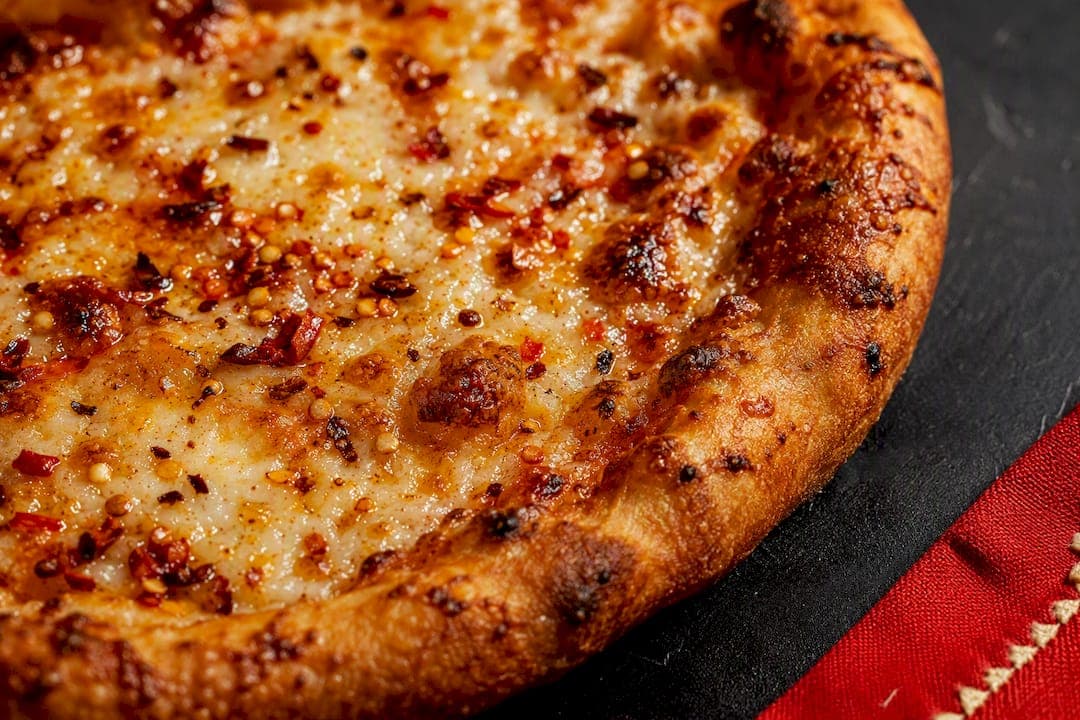
Pizza can land anywhere from no heat at all to genuinely punishing, depending entirely on sauce, toppings, and how the kitchen builds the dish. The single best move when you're unsure is simple: ask the kitchen what "hot" means at that specific restaurant, or request the sauce and chiles on the side. If a slice does turn out hotter than expected, dairy and starch calm it down far better than water ever will.
TL;DR:
- Most restaurants do not publish specific Scoville units, so ordering the hottest pizza depends on the peppers and preparations used by the kitchen.
- Asking whether the base is more mild, creamy, or sharp helps determine the actual heat level, especially for regional styles like Indian or Latin-inspired pizzas.
- Dairy and starchy foods are effective remedies for calming spicy heat, as they bind capsaicin, unlike water, which can spread it around the mouth.
- Customizing spice levels by requesting sauces or chiles on the side and ordering one step below tolerance ensures a more enjoyable experience.
- Building tolerance takes time through regular, low-level exposure, making it easier to handle stronger heat over the long term.
Table of Contents
- Spice profiles by cultural style: what to expect
- Measuring and describing heat: what Scoville actually tells you
- How to pick the right spice level and make custom requests
- How to calm the heat: proven remedies you can use immediately
- How Hellcrustpizza handles spice, from dough to delivery
- Why I always order one step milder than I think I want
- Order your pizza exactly as spicy as you want it
- Sources
- FAQ
Spice profiles by cultural style: what to expect
Cultural labels on a pizza menu tell you more about flavour architecture than raw heat, and confusing the two is where most people get caught off guard.
- Indian-style pizza typically layers aromatic spice blends, garam masala, cumin, and coriander, with chile heat rather than relying on chile alone. CBC's coverage of Indian-style pizza in Winnipeg documents this exact approach: spice-forward toppings like tandoori chicken or spiced paneer paired with a proper chile kick. Ask whether the base is closer to a korma (milder, creamier) or a tikka (sharper, more chile-forward) before you commit.
- Latin-influenced heat leans on chipotle, jalapeño, or cayenne, and the processing method changes the character entirely. A smoked chipotle tastes deep and slightly sweet under the burn; a fresh jalapeño tastes bright and grassy. Same rough Scoville range, completely different eating experience.
- "American spicy" usually means milder and sauce-driven, often just a pepperoni pizza with a squeeze of hot sauce or a scatter of crushed red pepper. This is where inconsistency causes the most confusion. One restaurant's "hot" is another's "medium," and there's no shared standard across menus, so a label alone tells you less than you'd think.
For a broader tour of how different regions build their pizzas, this regional topping guide is worth a look before you order something unfamiliar.
Measuring and describing heat: what Scoville actually tells you
The Scoville Heat Units scale measures pepper pungency by quantifying capsaicinoid concentration, historically through taste-panel dilution and now through lab methods like HPLC that convert results directly to SHU. Almost no restaurant publishes SHU figures for its dishes, though, because a pizza isn't a pepper in isolation. Fat content, cheese, dough, and cooking time all dilute or concentrate perceived heat in ways a lab number can't capture.
What actually determines how "hot" something tastes: researchers studying chile pepper heat identify four separate sensory attributes, and understanding them explains why two "hot" pizzas can feel nothing alike. Heat can arrive with immediate, sharp build-up or a slower, delayed one. It can feel flat and lingering or sharp and quick to fade. Duration and where in the mouth you feel it, front of the tongue versus back of the throat, vary by pepper type and preparation.
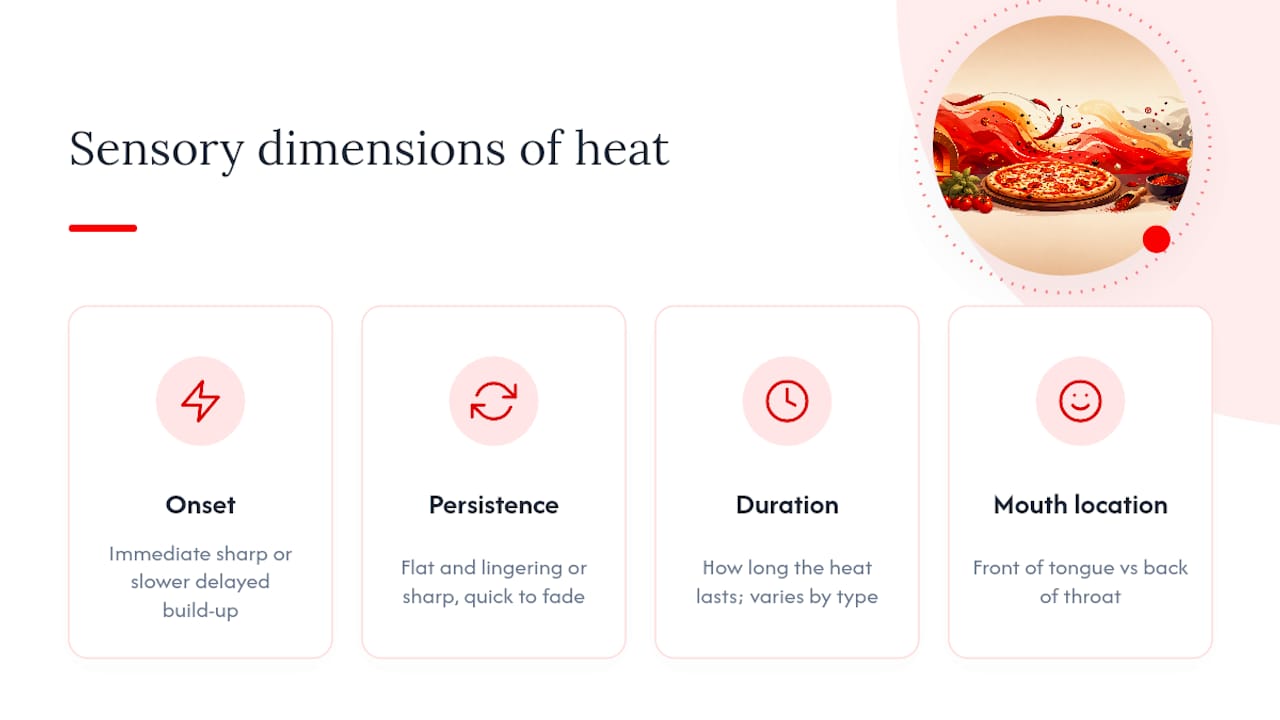
If you know you prefer quick, sharp heat over slow-building warmth that overstays its welcome, say so. Ask the kitchen which pepper they use, and request a milder variety if the default sounds too aggressive for your taste.
How to pick the right spice level and make custom requests
Ordering the right heat level is less about guesswork and more about asking the right question at the right moment.
- Check the menu markers first. Chile symbols or mild/medium/hot labels exist, but they aren't standardized between restaurants, so treat them as a rough guide, not a promise.
- When markers are vague, ask directly. Call, message through the app, or ask staff in person what "hot" specifically means at that location before you order.
- Order one step below your actual tolerance. Kitchens tend to build heat generously, and it's far easier to add hot sauce at the table than to remove it from the dish.
- Request modifications explicitly. Ask for chiles or sauce on the side, seeds removed, or a milder pepper substituted if the standard option runs hotter than you'd like.
- Use order notes for delivery. A short note like "mild spice, sauce on the side" prevents the exact kind of surprise that ruins a Friday night order.
Pro Tip: If you're trying a cultural style for the first time, like Indian or a chipotle-driven pizza, order it "half spicy" if the kitchen allows it. You get to taste the real flavour profile without committing your whole meal for an unknown heat level.
How to calm the heat: proven remedies you can use immediately
Reach for dairy before you reach for your water glass. Capsaicin binds to fat and casein, both found in milk, yogurt, and ice cream, which physically pulls the compound off the TRPV1 receptors causing the burn. Starchy foods like bread or rice work almost as well, absorbing capsaicin and giving your mouth something to focus on besides the heat.
- Reach for milk, yogurt, or a side of bread rather than water.
- Water doesn't dissolve capsaicin since it's oil-based, and it can spread the compound around your mouth, briefly making the burn feel worse.
- Pace yourself: alternate hot bites with a cooler side dish instead of powering through the whole slice at once.
- Keep a small dairy dip nearby if you're trying an unfamiliar heat level for the first time.
Building tolerance also happens gradually. Regular, low-level exposure to capsaicin over several weeks tends to dull the burn through receptor adaptation, which is why people who eat spicy food often genuinely handle more heat than casual eaters, not just because they've toughened up mentally.
How Hellcrustpizza handles spice, from dough to delivery
We built spice customisation into the ordering process itself, not as an afterthought. Every pizza starts with our Biga multigrain, additive-free dough, which holds toppings and sauces evenly so heat distributes the way it's supposed to rather than pooling in one corner of the box.
- Choose your heat level directly in the app or add a note at checkout, whether that's "sauce on the side" or "no seeds."
- Ask for a half-and-half spicy pizza if you're feeding a mixed table of heat lovers and heat avoiders.
- Request seed removal or a milder pepper swap on any topping that leans hot by default.
Our kitchen teams handle these requests as routine, not special cases, because customisation is the whole point of building your own pizza rather than picking one off a fixed menu.
Why I always order one step milder than I think I want
My honest advice: chase flavour first, heat second. The best spicy pizzas I've had built complexity through spice blends and smoked peppers, not raw capsaicin. If you're new to a style, try a mild Indian-inspired paneer pizza or a smoked chipotle and cheese combo before jumping to the hottest thing on the menu. You can always add heat. You can't easily take it away.
— jaskirat Singh
Order your pizza exactly as spicy as you want it
You can choose your desired spice level yourself, set when ordering through an app, on dough made with a multigrain, additive-free dough that holds flavour evenly across every slice.
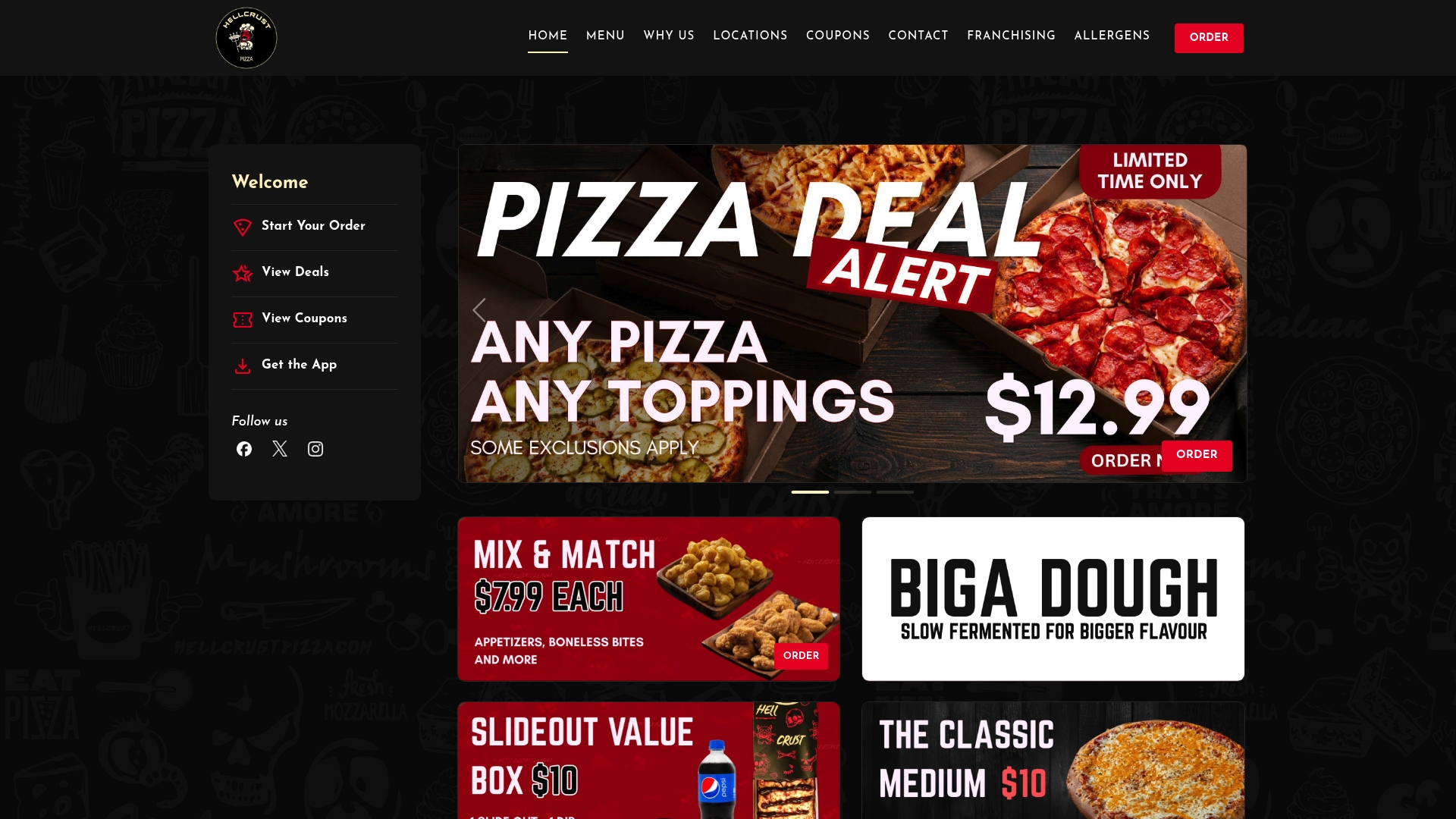
Add a note for sauce on the side, ask for seeds removed, or split a pizza half mild and half hot for a table with different tolerances. If chile heat isn't your thing but you still want bold flavour, our aromatic spice blends and marinated toppings deliver complexity without the burn. And if capsaicin is exactly what you're after, our kitchen teams take custom heat requests as standard, not as a special favour. If you like a slower build with real lingering warmth, ask about a chile-infused crust option rather than surface-applied sauce alone, and if you're curious how far you can push heat without losing the dough's flavour, our team can walk you through pairing options when you experiment with spicy topping combinations. Open the Hellcrustpizza app now, set your spice level, and get a pizza built exactly the way you want it.
Sources
Heat doesn't come from one ingredient. It comes from a stack of choices a kitchen makes before the pizza ever hits the oven, and each choice changes how the heat hits your palate.
- Indian-style pizza coverage — CBC
- How do you measure pepper heat? — NIST
- What is capsaicin? Benefits and risks — Cleveland Clinic
- Sensory properties of chile pepper heat — ScienceDirect
Distribution matters as much as source. A pizza with surface-applied hot sauce hits you hard up front and fades fast. One with chile-infused dough builds more slowly but never really lets go. Aromatic spices like cumin, coriander, and garam masala add a completely different layer: complexity and warmth without necessarily cranking up the capsaicin, which is why some "spicy" pizzas taste rich rather than blistering.
FAQ
Which pizza is spicy?
Any pizza can be made spicy depending on toppings and sauce. Common examples include Indian-style pizzas with tandoori chicken or spiced paneer, and Latin-influenced options topped with chipotle, jalapeño, or cayenne.
What is the highest spicy level?
There's no fixed ceiling since capsaicin concentration varies by pepper and preparation. Restaurants rarely publish exact Scoville Heat Unit figures for menu items, so the practical top level is whatever the kitchen's hottest chile or sauce allows.
Which pizza flavour is spicy?
Pizzas built around chipotle, jalapeño, cayenne, or tandoori-marinated toppings are typically the spiciest flavour profiles on most menus. Aromatic Indian-style blends can taste intensely flavourful without always being the hottest option.
What makes a pizza spicy?
Heat comes from hot sauces, fresh or dried chiles, spicy cured meats, marinated toppings, or chile-infused dough. Where the heat is applied, surface versus baked in, changes how sharp or lingering it feels once you bite in.