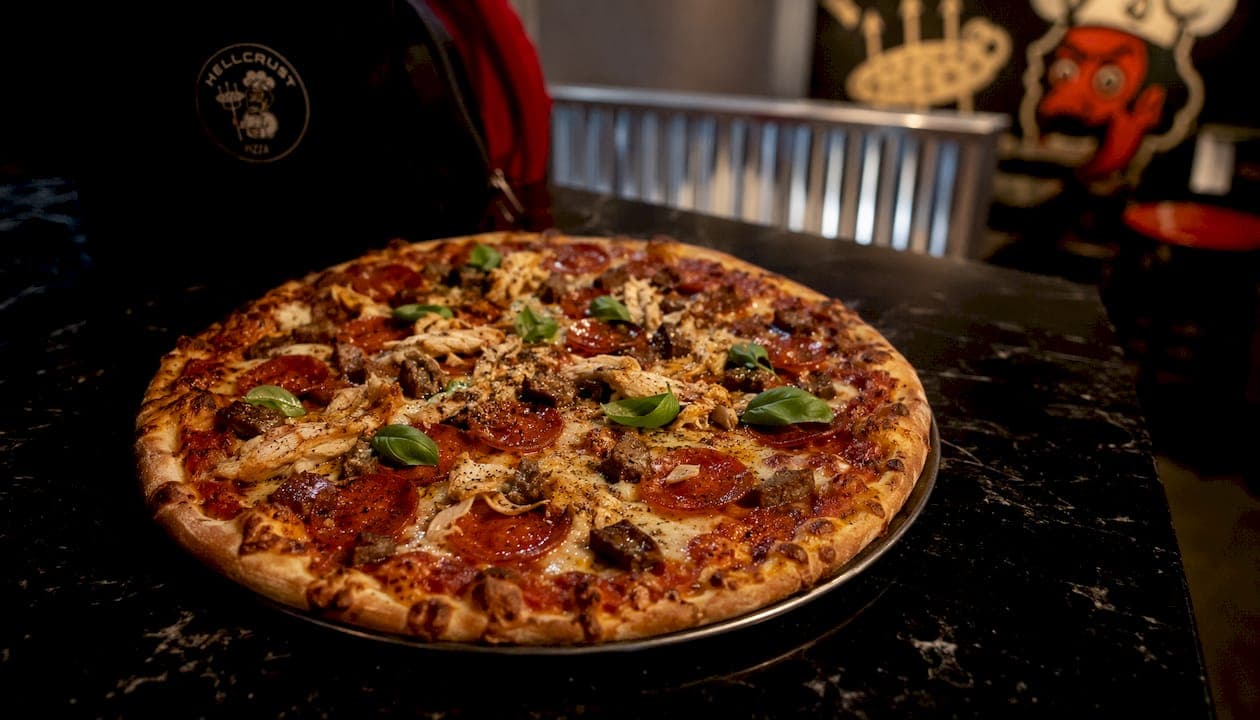
Protein toppings have become popular on pizza because they make each slice more filling, help steady blood sugar after eating, and let health-conscious eaters enjoy indulgence without compromising their goals. A standard slice of pizza delivers roughly 10–12 g of protein, mostly from cheese, while dietitians typically recommend about 20–25 g of protein per meal for lasting satiety. That gap is exactly why people are piling on chicken, legumes, eggs, and lean meats. More than half of consumers say a "high protein" claim actively influences their pizza choices, and operators across North America are responding with dedicated protein-forward menus.
TL;DR: Load your pizza with lean protein toppings to increase satiety and help keep blood-sugar spikes in check.
-
A plain cheese slice provides protein primarily from cheese — about 10–12 g, which is less than the 20–25 g most people need per meal for satiety.
-
Protein slows digestion, which moderates the glucose spike that refined-carb crusts can cause.
-
Over half of pizza consumers say high-protein claims shape what they order.
-
Protein is seen as an intuitive "good" macronutrient, making it easy for operators to market and easy for eaters to feel good about.
Table of Contents
- Which toppings give you the most protein on a pizza?
- How protein changes the way pizza affects your body
- How to add protein without loading up on calories or saturated fat
- What are your best options for a high-protein pizza crust?
- Six high-protein pizza combinations worth trying tonight
- How Hellcrustpizza approaches protein-forward pizza
- Key takeaways
- The part most people overlook when they "protein-ize" their pizza
- Hellcrustpizza's protein-forward menu is worth a closer look
- Sources and further reading
Which toppings give you the most protein on a pizza?
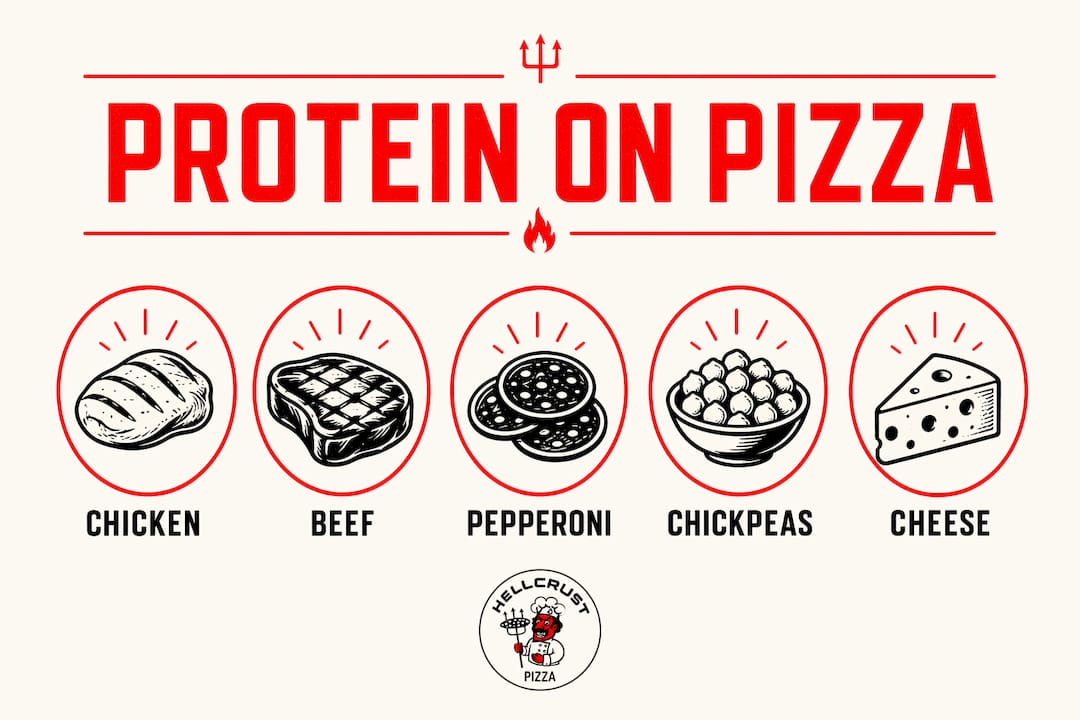
The right toppings can close that protein gap (from 10–12 g per plain slice up to the 20–25 g per meal most dietitians recommend) quickly. Below is a practical reference for both animal and plant-based options, using typical pizza-portion sizes.
| Topping | Typical portion on a pizza | Approx. protein |
|---|---|---|
| Shredded chicken breast | 30–40 g | ~20 g |
| Canned tuna (drained) | 30–40 g | ~22 g |
| Lean ground beef (cooked) | 30–40 g | 20–25 g |
| Turkey pepperoni | 30 g (about 10 slices) | ~10 g |
| Shrimp (cooked) | 30–40 g | 20–25 g |
| Egg (cracked on top) | 1 large | ~6 g |
| Chickpeas (boiled) | 20–25 g | 20–25 g |
| Lentils (cooked) | 20–25 g | 20–25 g |
| Firm tofu (cubed) | 30–40 g | ~10 g |
| Part-skim mozzarella | 40 g | ~10 g |
Protein estimates are drawn from USDA compositional data cited by registered dietitians at Good Housekeeping.
Quick selection guide:
- Best for satiety: Shredded chicken or tuna — high protein, low fat, and they layer well without adding excess moisture.
- Best low-fat plant option: Lentils or chickpeas — fibre-rich, mild in flavour, and they roast beautifully for a slightly crunchy finish.
- Best for a plant-forward build: Firm tofu cubed small, or plant-based crumbles seasoned with smoked paprika and cumin.
- Best cheese upgrade: Part-skim mozzarella blended with a small amount of cottage cheese adds creaminess and bumps protein without a heavy saturated-fat load.
Pro Tip: Aim to combine two protein sources on the same pizza — for example, shredded chicken plus a scatter of chickpeas. Each source contributes a different amino-acid profile and texture, and together they can help increase protein per serving without overloading any single topping.
How protein changes the way pizza affects your body
Protein is the most satiating of the three macronutrients. It slows gastric emptying, meaning food moves through your stomach more gradually, which keeps hunger signals quieter for longer after a meal. When you add meaningful protein to a pizza, you are not just changing the flavour profile — you are changing the physiological response to the whole meal.
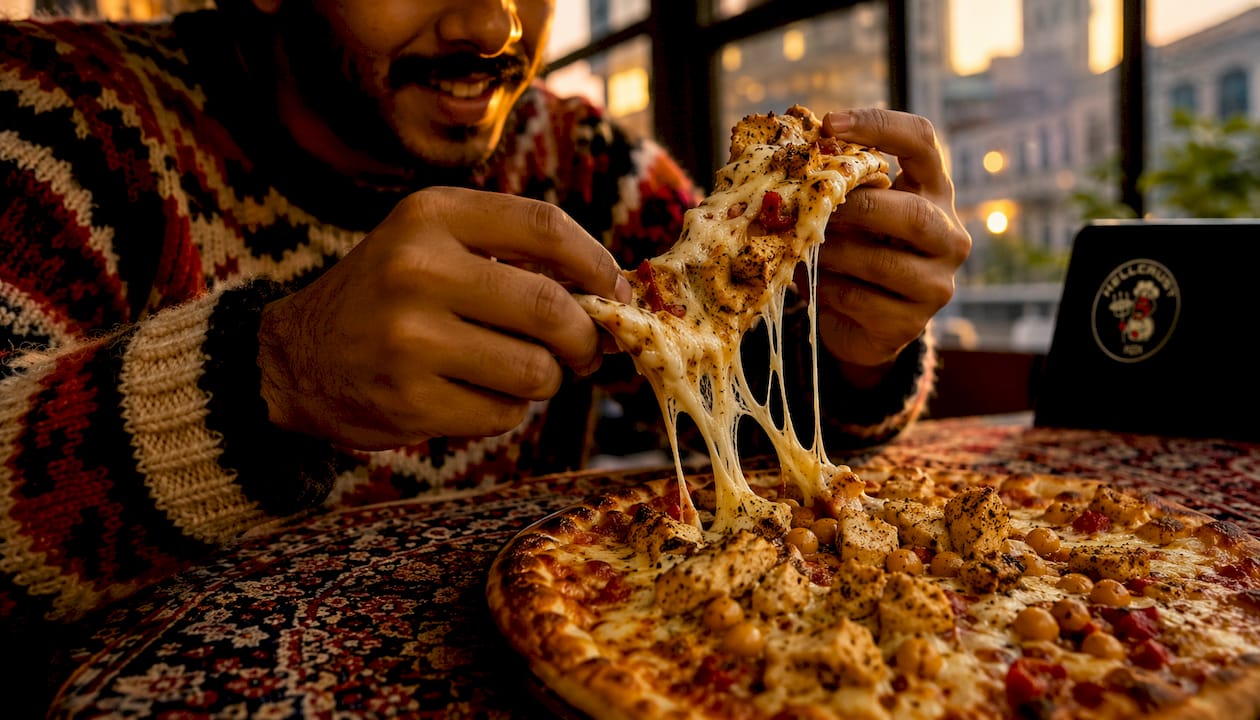
The blood-sugar effect is particularly relevant for pizza, which is built on a refined-carbohydrate base. Registered dietitian Sahar Berjis, R.D., explains the mechanism plainly:
Registered dietitians specifically note that protein-rich toppings slow digestion and can moderate the post-meal glucose response that a refined-carb crust would otherwise trigger on its own. That is the core science behind why protein toppings are popular on pizza among people managing weight, blood sugar, or athletic recovery.
Practically, this matters most in three situations. Post-workout, your muscles need amino acids within a few hours of training, and a protein-loaded pizza can genuinely serve that purpose. For weight management, the satiety effect means you are less likely to snack heavily an hour after eating. For anyone monitoring blood glucose — including those with pre-diabetes — pairing carbohydrates with adequate protein is a well-established dietary strategy. This article is general nutrition information; confirm what is right for your own situation with a registered dietitian or your healthcare provider.
How to add protein without loading up on calories or saturated fat
More protein does not have to mean more saturated fat. The key is choosing the right sources and handling them well.
Smart swaps:
- Bacon → turkey bacon or smoked tofu strips (similar smokiness, far less saturated fat)
- Full-fat Italian sausage → lean turkey sausage or spiced lentils seasoned with fennel and chilli flakes
- Extra mozzarella → a blend of part-skim mozzarella and low-fat cottage cheese
- Processed deli meats → shredded rotisserie chicken (lower sodium, higher protein per gram)
Practical dos:
- Choose white-meat poultry and trimmed cuts of beef or pork.
- Portion cheese deliberately — 30–40 g of a flavourful cheese goes further than a heavy blanket of a mild one.
- Use legumes as a partial meat substitute rather than an add-on, so total topping weight stays reasonable.
- Opt for a drizzle of extra-virgin olive oil as a finishing touch rather than a cooking base, so you control the fat added.
Practical don'ts:
- Do not rely on processed meats as your primary protein source — they tend to be high in sodium and saturated fat relative to their protein content.
- Do not skip reading the nutrition panel on plant-based crumbles; some are heavily processed and carry more sodium than lean ground turkey.
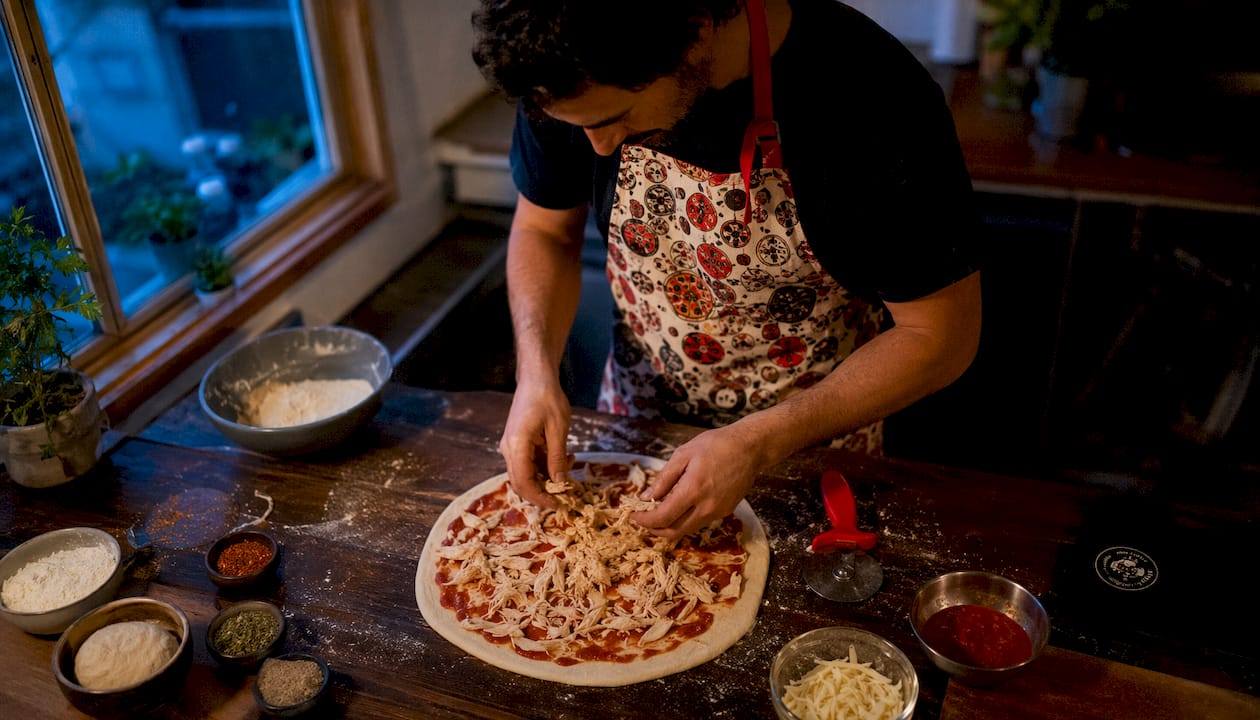
Pro Tip: Pre-cook all lean proteins before they go on the pizza. Raw chicken or beef releases moisture during baking, which steams the crust from below and produces a soggy base. A quick sear or poach first locks in flavour and keeps your crust crisp.
For more ideas on balancing nutrition across a full pizza meal, including sides and portions, we have a dedicated guide worth bookmarking.
What are your best options for a high-protein pizza crust?
The crust itself can contribute meaningfully to your protein total, not just the toppings. Here are the main options, with honest trade-offs for each.
-
Greek-yogurt or cottage-cheese dough: A two-ingredient base (Greek yogurt or cottage cheese mixed with self-rising flour) produces a reliably chewy, pizza-like texture that many cooks prefer over cauliflower. It pre-bakes well and holds toppings without flopping. Best for: families, everyday home baking, anyone who wants a recognisable pizza experience with more protein.
-
Cauliflower crust: Lower in carbohydrates but also lower in protein than dairy-based doughs. Texture is floppy unless the cauliflower is very thoroughly drained and the dough is well-bound with egg and cheese. Best for: low-carb eaters who are comfortable with a thinner, more delicate base and do not mind the extra prep.
-
Chicken-breast crust: Ground or blended chicken breast pressed into a crust shape, baked firm. Very high in protein, essentially zero carbohydrate, but the texture is more meatloaf-adjacent than bread-like. Best for: strict keto or carnivore-leaning eaters; not ideal for anyone expecting a traditional chew.
-
Legume-based crust (chickpea flour or lentil flour): Naturally gluten-free, moderate in protein, and carries a pleasant nutty flavour. Holds together well when thin. Best for: plant-forward eaters and those with gluten sensitivities who still want a grain-free option.
-
Store-bought high-protein dough: Several Canadian grocery chains now carry multigrain or added-protein dough balls. Convenience is the main advantage; protein yield varies by brand, so check the label. Best for: busy households who want a quick weeknight option without mixing from scratch.
A note on handling wetter doughs: Greek-yogurt and cottage-cheese bases hold more moisture than traditional dough. Always pre-bake the crust for 8–10 minutes before adding toppings. Skipping this step is the single most common reason a protein-forward pizza ends up with a soft, undercooked centre.
Six high-protein pizza combinations worth trying tonight
These combinations are designed to be practical — easy to assemble at home or to use as a reference when customising an order. Protein estimates per serving assume a two-slice portion from a standard 30 cm pizza.
-
The Classic Muscle Builder — Shredded chicken breast, part-skim mozzarella, roasted red peppers, and fresh basil on a tomato base. Approx. 30–35 g protein per serving. Simple, crowd-pleasing, and the peppers add sweetness that balances the lean chicken.
-
The Mediterranean Plant Boost — Chickpeas, crumbled firm tofu, kalamata olives, sun-dried tomatoes, and a light scatter of feta on an olive-oil base. Approx. 20–25 g protein per serving. The olives and feta bring enough salt and richness that you will not miss meat.
-
The Tuna Melt Pizza — Canned tuna (well-drained), capers, thinly sliced red onion, part-skim mozzarella, and a squeeze of lemon after baking. Approx. 28–32 g protein per serving. Drain the tuna thoroughly — any residual liquid will soften the crust.
-
The Lentil Spice — Spiced cooked lentils (cumin, smoked paprika, garlic), roasted cherry tomatoes, spinach, and a blend of mozzarella and cottage cheese. Approx. 22–26 g protein per serving. A genuinely satisfying plant-forward option that works on a legume-flour crust for an extra protein layer.
-
The Turkey Sausage and Egg — Lean turkey sausage crumbles, one egg cracked directly onto the pizza in the last five minutes of baking, wilted spinach, and a light mozzarella base. Approx. 28–33 g protein per serving. The runny yolk acts as a sauce — pull it from the oven the moment the white sets.
-
The Shrimp and Pesto — Cooked shrimp, a thin spread of basil pesto, cherry tomatoes, and part-skim mozzarella. Approx. 26–30 g protein per serving. Keep shrimp portions moderate; they release moisture during baking, so pat them dry before placing.
Quick assembly tips:
- Preheat your oven to at least 230°C (450°F) and use a pizza stone or inverted baking sheet for a crispier base.
- Pre-bake the crust for 8–10 minutes before adding toppings, especially with protein-rich or moisture-heavy crusts.
- Layer cheese directly on the sauce before adding proteins — this anchors toppings and prevents them from sliding.
- Avoid overloading: a well-portioned pizza with distinct toppings bakes more evenly than a heavily loaded one.
For more customisable topping ideas and flavour pairings, we have put together a full guide on building your ideal pizza from the base up.
How Hellcrustpizza approaches protein-forward pizza
At Hellcrustpizza, we have spent considerable time thinking about what it means to make a pizza that is genuinely satisfying — not just in the moment, but an hour later when you are still at the table, not hunting for a snack. Our Biga multigrain dough, crafted without artificial additives and fermented using a traditional preferment process, already brings more nutritional complexity than a standard white-flour base. That foundation matters when you are building a protein-forward pizza, because the crust is not just a vehicle — it contributes to the meal's overall texture, flavour, and staying power.
We offer a range of customisable toppings across our Canadian locations, and our app makes it straightforward to swap or add proteins without rebuilding your order from scratch. Whether you are loading up with shredded chicken and roasted peppers, or going plant-forward with chickpeas and tofu, the Mix & Match options let you build a pizza that genuinely fits your goals.
- Our multigrain Biga dough provides a richer base than standard delivery dough, with a mature, slightly tangy flavour that pairs well with lean proteins.
- Customisable toppings via the app mean you can add extra chicken, swap processed meats for leaner options, or double up on legumes without any friction.
- Family-sized specials make it practical to build a high-protein pizza for the whole household, not just a single serving.
- Fresh ingredients, handled with care, mean your toppings arrive tasting the way they should — not steamed into softness inside a delivery box.
If you are ordering after a workout or planning a week of higher-protein meals, post-gym pizza ordering is something we have written about in detail, with specific topping strategies for recovery.
Key takeaways
Protein toppings are popular on pizza because they close the satiety gap, moderate blood-sugar response, and let health-conscious eaters enjoy a genuinely indulgent meal without abandoning their nutritional goals.
| Point | Details |
|---|---|
| Satiety gap is real | A plain cheese slice delivers protein primarily from cheese; aim to add lean proteins to achieve satisfying meals. |
| Lean proteins keep fat in check | Choose chicken, tuna, turkey, or legumes over processed meats to boost protein without excess saturated fat. |
| Crust choice matters | Greek-yogurt or cottage-cheese dough adds protein at the base level and holds toppings better than cauliflower. |
| Pre-bake prevents sogginess | Bake the crust 8–10 minutes before adding toppings, especially with moisture-rich proteins. |
| Hellcrustpizza supports the goal | Hellcrustpizza's additive-free Biga multigrain dough and customisable toppings make building a protein-forward pizza straightforward. |
The part most people overlook when they "protein-ize" their pizza
There is a tendency, when people discover that protein makes pizza more satisfying, to simply pile on more of everything — more cheese, more meat, more toppings — and call it a health upgrade. That approach misses the point. The real benefit of protein on pizza is not volume; it is composition. A pizza with 25 g of protein from shredded chicken and chickpeas is a genuinely different meal, physiologically, than one with 25 g from double pepperoni and extra full-fat mozzarella. Both hit the protein number, but only one keeps saturated fat and sodium in a reasonable range.
What I find most interesting about the protein-pizza trend is how it has shifted the conversation away from deprivation. Nobody is being told to eat less pizza. They are being told to eat smarter pizza — and that is a message people actually respond to. The operators who are winning with protein-forward menus are not the ones removing ingredients; they are the ones upgrading them. That framing, indulgence as a vehicle for function rather than a departure from it, is what makes this trend durable rather than a passing moment.
My honest advice: start with one or two topping swaps, not a complete rebuild. Replace your usual processed meat with shredded chicken, or add a handful of chickpeas alongside your existing toppings. Notice how you feel an hour after eating. That single data point, your own satiety, is more persuasive than any nutrition label.
Hellcrustpizza's protein-forward menu is worth a closer look
Eating well does not mean giving up the pizza you love. Hellcrustpizza's additive-free Biga multigrain dough gives you a crafted, flavourful base that already outperforms standard delivery dough on texture and nutritional depth — and from there, the customisation options let you build exactly the protein-forward pizza you have been reading about. Lean chicken, plant proteins, fresh vegetables, and thoughtful cheese choices are all on the table, and the app makes the whole process genuinely easy.
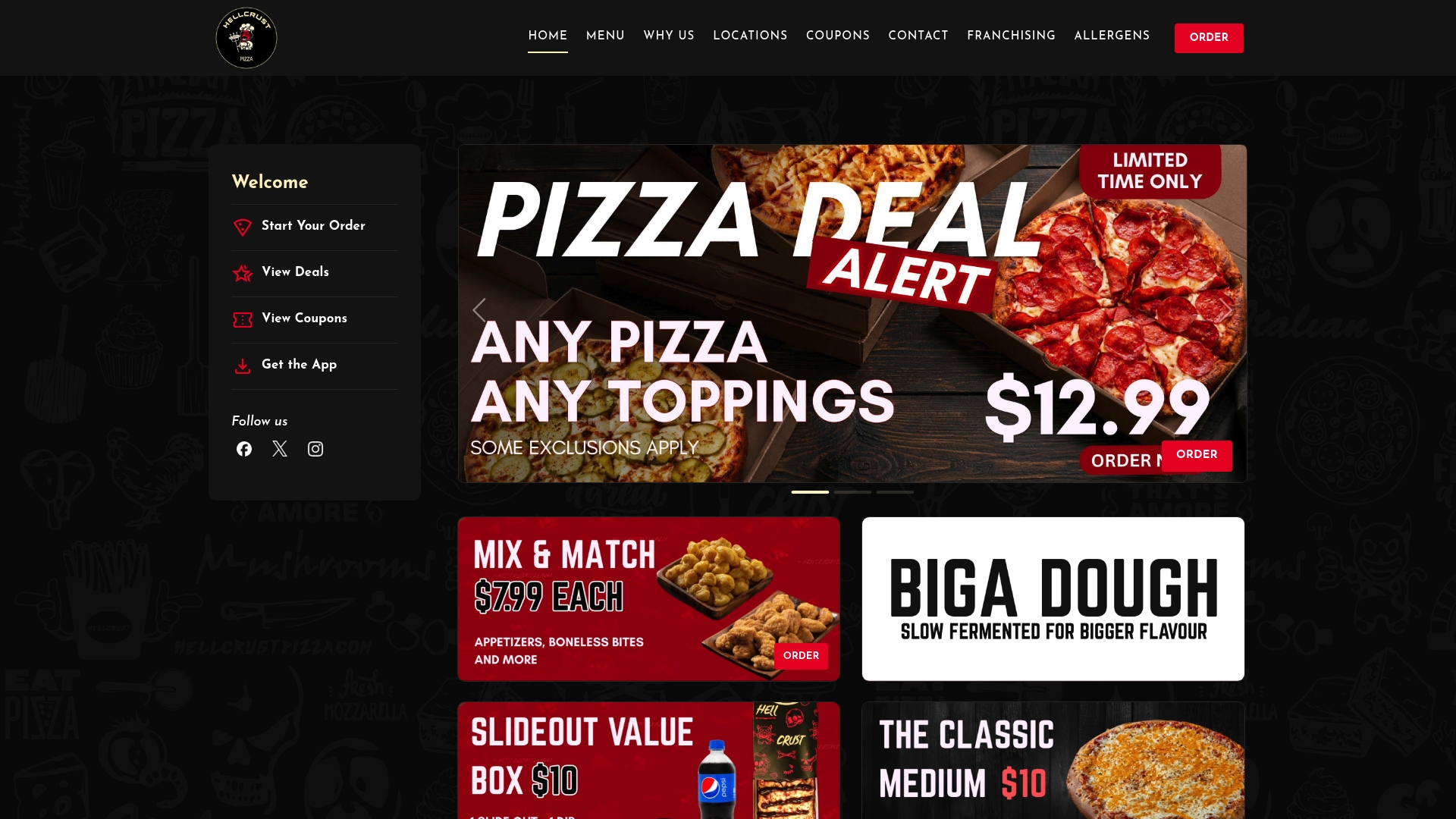
Whether you are feeding a family after a long week or fuelling a post-workout recovery meal, Hellcrustpizza's Mix & Match deals make it affordable to order the way you actually want to eat. Check the current menu and available deals at Hellcrustpizza and build your next protein-forward pizza tonight.
Sources and further reading
The claims in this article draw on the following sources. We encourage you to read them directly if you want to go deeper on any specific point.
- Business Insider — Pizza Is Actually Good for You: Supports the 10–12 g protein per slice figure and the comparison with recommended per-meal protein targets.
- Grande Cheese — Protein on Purpose: Documents the consumer trend data, including the finding that more than half of consumers say high-protein claims influence their pizza choices, and covers operator menu-growth examples.
- Fox News Food & Drink — Protein-boosted pizza trends: Provides industry context on changing consumer behaviour and the role of functional indulgence in driving protein-forward ordering.
- Real Simple — Easy protein toppings: Registered dietitian guidance on blood-sugar stabilisation and the satiety benefits of adding protein to carbohydrate-heavy meals.
- Good Housekeeping — High-protein toppings: USDA-sourced protein figures per portion for chicken, tuna, eggs, chickpeas, lentils, tofu, and other toppings; includes RD quotes on satiety and the 20–25 g per meal recommendation.
- The Balanced Nutritionist — High-protein pizza: Covers Greek-yogurt and cottage-cheese crust techniques, texture expectations, and the two-ingredient dough method.
- Maximal Recipes — High-protein pizza: Recipe examples reaching 30–35 g protein per serving when crust and toppings are combined; practical pre-bake and topping-load guidance.
- Dietitians of Canada / Health Canada: Primary Canadian references for general protein recommendations and dietary guidance; confirm current guidelines directly with these sources or a registered dietitian for personalised advice.