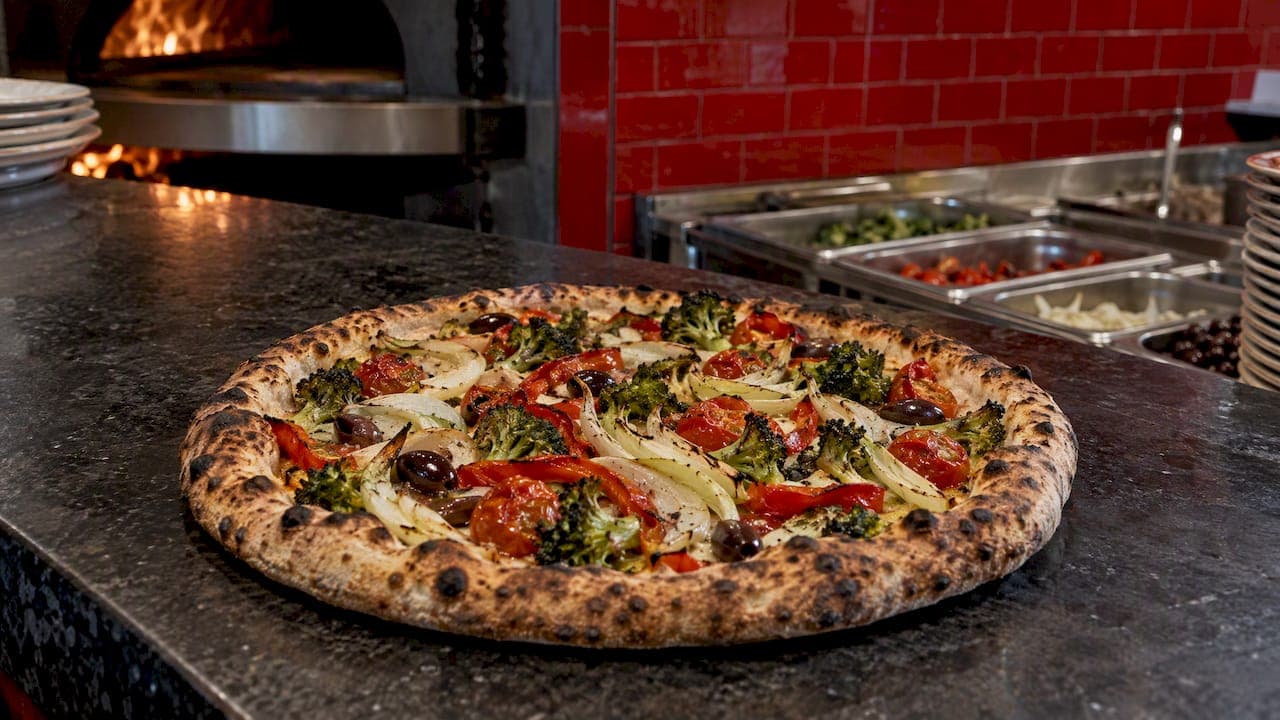
The best vegan pizza toppings are the ones that bring contrast: something sweet, something salty, something roasted, something fresh. Think caramelized onions with a smoky plant-based sausage, roasted peppers with garlicky greens, or mushrooms with a herby drizzle. Below you'll find combinations that work, how to prepare each topping so the crust stays crisp, how to check labels for dairy and gluten, and how to set up a pizza night the whole family can join.
TL;DR
- Pick two or three toppings with contrasting flavours instead of piling on everything in the fridge.
- Roast or sauté wet vegetables first so the crust bakes crisp, not soggy.
- Read every label for milk (including casein and whey) and for gluten, and check it again before serving.
- For a gluten-free vegan pizza, look for a "gluten-free" claim on the crust and think about cross-contact.
- Kids can build their own pizza from a bowl of simple, pre-prepped toppings.
Table of Contents
- What makes a vegan topping combination work
- Vegetable toppings that earn their place
- Sauces and spreads beyond tomato
- Plant proteins and cheese alternatives
- Five vegan pizza ideas to try this week
- Dairy-free toppings: how to check for hidden animal ingredients
- Vegan and gluten-free: building a pizza that fits both
- A kids' pizza night that works
- Our perspective on vegan pizza
- Order a vegan pizza from us
- FAQ
- Sources
What makes a vegan topping combination work
Have you ever built a pizza with twelve toppings and ended up with a muddle? You aren't alone. Vegan pizza rewards restraint. Food blogger Erin Wysocarski argues that the real magic is contrast rather than quantity, such as sweet caramelized onions against salty vegan sausage. Foodservice specialists say much the same: simplicity is key, and quality beats quantity when designing vegan pizza options.
We think of a pizza in four layers:
- Base: the sauce or spread under everything (tomato, garlic oil, pesto, hummus).
- Body: vegetables or plant proteins that give the pizza substance.
- Richness: dairy-free cheese, nuts, seeds or a drizzle of good olive oil.
- Finish: fresh herbs, chili flakes, lemon zest or a splash of balsamic added after baking.
Pick one or two things from each layer and you will almost always land on something good.
Vegetable toppings that earn their place
Vegetables are the backbone of most vegan pizzas, and the most common ones are popular for a reason. Cherry tomatoes, spinach, black olives, broccoli, artichokes and red bell peppers all show up on the pages Google ranks for this topic. Foodservice guidance for meatless pizzas also lists grilled eggplant, asparagus, portobello mushrooms, zucchini, tomatoes and jalapeño or green peppers as options that suit vegetarian and vegan pies.
Here is how we would handle each one:
| Topping | Best prep | Pairs well with |
|---|---|---|
| Mushrooms (cremini, portobello) | Sauté until the water cooks off | Garlic, thyme, caramelized onion |
| Zucchini | Slice thin, salt lightly, pat dry | Lemon zest, basil, chili flakes |
| Red onion | Raw and thin, or slowly caramelized | Olives, arugula, balsamic |
| Bell peppers | Roast, then peel and strip | Spinach, smoked paprika, olives |
| Broccoli | Blanch or roast in florets | Garlic, chili, lemon |
| Cherry tomatoes | Roast until blistered | Basil, artichokes, pesto |
| Artichoke hearts | Drain well and pat dry | Spinach, olives, garlic oil |
| Spinach or kale | Sauté briefly, squeeze dry | Mushrooms, red pepper |
| Eggplant | Grill or roast in slices | Tomato sauce, fresh basil |
Why roasting matters
A pizza bakes fast, often too fast for raw vegetables to give up their water. The result is a pale, damp centre. Roasting vegetables such as cherry tomatoes, broccoli, fennel and red peppers ahead of time deepens their flavour and keeps excess moisture off the pizza. Foodservice guidance adds that blanching vegetables in salted water before use helps them hold their bright colour.

A simple rule: if a vegetable feels wet when you squeeze it, cook it first. If it is crisp and dry (red onion, bell pepper strips, olives), it can go on raw.
Sauces and spreads beyond tomato
The sauce sets the mood, and plenty of dairy-free options beat a plain tomato base.
- Classic tomato: crushed tomatoes, a pinch of salt, garlic and oregano. Hard to beat.
- Garlic olive oil: a light brush with minced garlic lets vegetables take centre stage.
- Basil or walnut pesto: bright and rich at once. If you want a fast option, this five-minute vegan pesto takes almost no effort and can be made in a batch for the week. Check that any shop-bought pesto is made without parmesan.
- Hummus or white bean purée: creamy, filling and naturally dairy-free.
- BBQ sauce: with red onion, corn and plant-based chicken or jackfruit.
Seasoning matters just as much. Canada's food guide newsletter recommends homemade mixes such as onion powder, oregano and smoked paprika to add flavour to vegetables or plant-based proteins without excess sodium. A teaspoon of smoked paprika over roasted peppers does a surprising amount of work.
Plant proteins and cheese alternatives
Vegan pizzas can feel lighter than their cheesy cousins, so adding something with body helps. Options we like:
- Plant-based pepperoni or sausage: salty, spiced and a good match for sweet toppings. Our guide to vegan pepperoni versus regular covers taste and nutrition.
- Lentil "meatballs": one popular recipe tops a pizza with vegan lentil meatballs, a Sunday-style sauce and fresh basil (a pairing worth stealing).
- Chickpeas or white beans: roasted until crisp, they bring crunch and protein.
- Tofu or tempeh crumbles: marinate in soy sauce, garlic and smoked paprika first.
- Nuts and seeds: foodservice guidance notes that adding legumes or nuts can improve the texture of vegan pizzas. Toasted pine nuts, pistachios or breadcrumbs add crunch.
If you're aiming for a protein-heavy dinner, see how to reach 25 to 40 g of plant protein at home.
As for cheese, vegan mozzarella-style shreds melt best, while a sprinkle of nutritional yeast or a vegan parmesan gives a savoury finish. If you order out and wonder about extra charges for dairy-free cheese, we looked at that too in vegan cheese surcharges in Canada.
Five vegan pizza ideas to try this week
- The Garden Roast: tomato sauce, roasted red pepper, zucchini ribbons, black olives, basil after baking.
- Sweet and Salty: garlic oil, caramelized onion, plant-based sausage, a few chili flakes.
- Green Machine: pesto base, blanched broccoli, sautéed spinach, toasted pine nuts, lemon zest.
- Mushroom Melt: garlic oil, sautéed cremini and portobello, thyme, vegan mozzarella-style shreds.
- Mediterranean: hummus base, artichoke hearts, cherry tomatoes, red onion, olives, parsley.
For a budget night, a pre-made vegan pizza base topped with sautéed kale, mushrooms and chopped peppers makes a quick, easy meal. Add a tin of beans and a jar of sauce and dinner is done in about twenty minutes.
Want more inspiration for families with mixed diets? Our piece on inclusive pizza toppings helps you build a pizza everyone can share, and there is a look at why vegetarian toppings keep growing in popularity if you're curious what others are ordering.
Dairy-free toppings: how to check for hidden animal ingredients
Most whole vegetables are dairy-free by nature. The risk lies in processed items: shop-bought pesto, sausages, flavoured breadcrumbs, "non-dairy" cheese shreds and some sauces. Here is how to check.
Read the label for milk by every name
In Canada, all food allergens and gluten sources must be declared in the ingredient list of prepackaged foods under the Food and Drug Regulations. When you're avoiding milk, look for milk itself and its other names, including casein and whey.
A label that says "vegan" is a helpful signal, but read the ingredients anyway. Labelling mistakes happen: the CFIA once recalled a vegan gluten-free Margherita pizza because of undeclared milk, advising people allergic or sensitive to milk not to eat it.
Use the triple check
Food Allergy Canada recommends a "Triple Check" of labels: once at the store before buying, once when putting the product away at home, and once more before serving or eating. Manufacturers change recipes, so a product you've bought for years can quietly change.

Be careful with "may contain"
Precautionary statements like "may contain" are voluntary and unregulated in Canada. Food Allergy Canada advises against consuming products carrying them, since they may still hold enough allergen to cause a reaction. If someone at your table has a true milk allergy, that is a firm rule rather than a suggestion. And if you are vegan by choice rather than allergy, you can decide what level of trace risk you're comfortable with.
Vegan and gluten-free: building a pizza that fits both
People searching for dairy-free, gluten-free pizza are often cooking for a household with more than one need. The toppings are the easy part: nearly every vegetable, sauce and bean above is naturally gluten-free. The crust and the handling are where care is needed.
Choose the crust carefully
Celiac Canada's labelling guidance says to use a crust with a "gluten-free" claim and to avoid baked goods from bakeries that also make gluten-containing items, because of the high risk of cross-contamination. Health Canada considers foods made under good manufacturing practices that do not exceed 20 ppm of gluten from cross-contamination to meet the intent of the gluten-free claim. If you want the numbers explained for pizza specifically, read our 20 ppm guide to gluten-free pizza and dessert toppings.
Watch cross-contact at home
Celiac Canada also notes that airborne flour dust and shared surfaces create a high risk in kitchens that handle gluten. A Dutch study it cites found that glass cutting boards cleaned in a dishwasher left the lowest gluten levels, while plastic boards only rinsed under cold or warm water were the riskiest. Practical steps:
- Keep a dedicated board and pizza cutter for gluten-free food.
- Assemble the gluten-free pizza first, on a clean surface, before any flour comes out.
- Use a fresh jar of sauce or spread, not one that has had a floury knife dipped in it.
- Bake on clean parchment, not a tray with crumbs.
Ordering out has its own checks. We explain the two conditions for a celiac-safe order in gluten-free pizza safety in Canada.
A kids' pizza night that works
Kids love building their own pizza, and vegan toppings make it simple because nothing raw and risky is on the table. Set out small bowls of sauce, shredded vegan cheese, sliced olives, sweet peppers, corn, mushrooms and pineapple. Pre-cook anything that needs it, and let the kids assemble.
Keep the kitchen clean while you do. HealthLink BC advises washing plates, utensils, cutting boards and countertops with hot, soapy water and using separate cutting boards for raw meats and ready-to-eat foods. For a homemade sanitizer, it suggests 2 mL of unscented household bleach per litre of water for food contact surfaces. If you're hosting kids with allergies, repeat the label check on every jar and packet, even the ones you've used before.
Our perspective on vegan pizza
We have always believed that a pizza is only as good as its crust. Our dough is a Biga multigrain, made without artificial additives and prepared in advance, and we designed it to be a fibre-rich, more digestible foundation for whatever you put on top.
That foundation is why our vegan pizzas can stay simple. When the crust has a rich, mature flavour of its own, you don't need a dozen toppings to hide behind. A handful of fresh, well-prepared vegetables and a good sauce will carry it, and you savour every bite.
You get what you pay for, and we want you to pay for quality ingredients rather than filler. That is why we pair crafted dough with creative deals, so a vegan pizza night for the family stays affordable.
jaskirat Singh
Order a vegan pizza from us
Not in the mood to roast peppers on a Tuesday? Our menu includes Vegan Pizzas alongside Create Your Own Pizza, Signature Pizzas, Baked Pasta, Dips, Desserts and more, and you can customize toppings to suit your table. We serve North Vancouver, Vancouver and West Vancouver, for delivery or pickup.
Browse the full HellCrust menu to build your order, or visit hellcrustpizza.com for app-exclusive deals. If a vegan pasta night is more your style, our guide to vegan pasta options, sauces and easy builds has ideas. Please confirm ingredients and any allergy needs with the store when you order.
FAQ
What are good vegan toppings for pizza?
Mushrooms, roasted peppers, spinach, olives, artichokes, caramelized onions, cherry tomatoes and zucchini are reliable choices. Add a plant-based protein such as vegan sausage, lentils or chickpeas for body, and finish with fresh basil. Aim for two or three toppings with contrasting flavours.
How do I stop vegan pizza from getting soggy?
Cook wet vegetables first. Roasting tomatoes, broccoli and peppers, or sautéing mushrooms and greens until the water evaporates, keeps moisture off the crust. Pat canned items such as artichokes dry before they go on.
Is vegan pizza automatically dairy-free and gluten-free?
Vegan means no animal products, so it is dairy-free by definition, but you still need to read labels because mistakes and recalls happen. It is not automatically gluten-free: the crust must carry a gluten-free claim, and you should avoid cross-contact with flour and shared tools.
Can kids make their own vegan pizza safely?
Yes. Pre-cook harder vegetables, set out small bowls of toppings, and keep surfaces and boards washed in hot, soapy water. Check every label again if any child has a food allergy.
Sources
- Vegan Pizza Toppings: A Complete Guide, Olives for Dinner
- Meatless or Lactose-Free Pizzas, Saputo Foodservice
- 25 Best Pizza Topping Ideas, Love and Lemons
- Friday Night Pizza, Veganuary
- Vegan pizza dough and toppings, Simple Vegan Blog
- Undeclared allergens in multi-ingredient foods, CFIA
- Farm Boy vegan gluten-free Margherita pizza recall, CFIA
- Reading food labels, Food Allergy Canada
- Milk, Food Allergy Canada
- Food Labelling Guidelines, Celiac Canada
- Undeclared allergens and gluten in plant-based products, CFIA
- Gluten Cross-Contamination in the Kitchen, Celiac Canada
- Food safety: Easy ways to make food safer, HealthLink BC