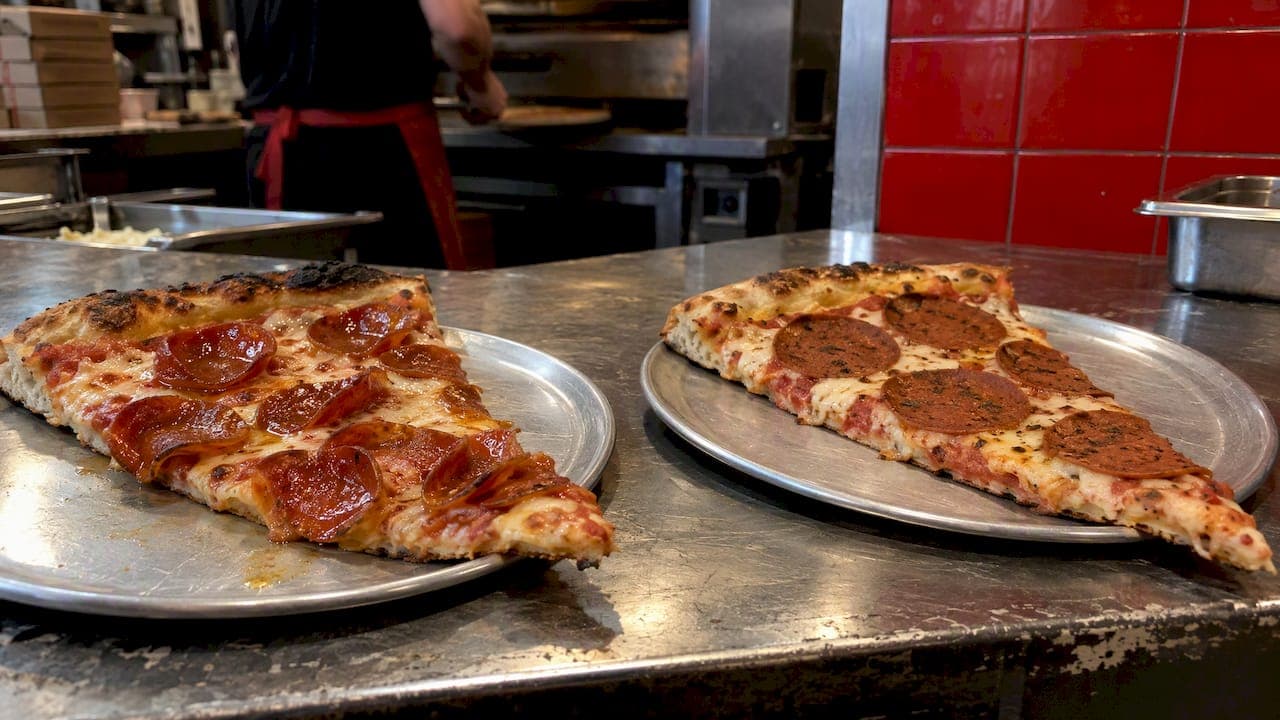
Is vegan pepperoni any good, or is it just a sad red disc on a good crust? Short answer: a well-made one is a convincing, spicy, chewy topping, and it is not automatically the healthier choice. Regular pepperoni is cured pork and beef. Vegan pepperoni is built from soy, wheat gluten or other plant proteins, seasoned to taste like it. Both are salty, both are processed, and both can sit happily on a pizza. Here is how they really differ, so you can order what suits you.
TL;DR
- Regular pepperoni is typically pork and beef. Vegan pepperoni is typically built from tofu, soy protein and wheat gluten, so it has no cholesterol but it does contain soy and gluten.
- On pizza, the best plant-based versions mimic the chewy, savoury bite of the meat kind. Cook them properly and most people notice the spice more than the difference.
- Vegan does not mean healthy by default. Sodium stays high in both, and researchers say health effects depend on the formulation and processing.
- If you have a soy, wheat or gluten concern, read the label. Canadian rules require priority allergens to be declared.
- Not sure? Order half and half, or build your own pizza and try each side by side.
Table of Contents
- What each one is actually made of
- How they taste and feel on a pizza
- Calories, protein, fat and sodium
- Is plant-based pepperoni healthier?
- Allergens and dietary restrictions
- How to get the best result from vegan pepperoni
- Our perspective on the dough underneath
- Which should you order?
- Order your pizza your way
- FAQ
- Sources
What each one is actually made of
The two toppings start from opposite ends of the kitchen.
Pepperoni is typically made of pork and beef, though it can contain other meats. It is a cured, spiced sausage, and that curing is where the deep, tangy, slightly smoky flavour comes from.
Vegan pepperoni has no animal ingredients at all. Plant-based meat alternatives commonly use soy, wheat or pea proteins, oils, flavourings and binders, and manufacturers add salt. A Canadian example makes this concrete: Springer's veggie pepperoni lists tofu, soy protein, wheat gluten, canola oil, spices, beet powder and smoke extract. Beet powder gives the red colour, smoke extract gives the cured note, and the wheat gluten gives the chew.
That last point matters. Many vegan pepperonis are seitan-style, which means wheat gluten is the backbone. They are vegan, but they are not gluten-free.
How they taste and feel on a pizza
Here is where most people expect disappointment, and where the better products surprise them.
The flavour of pepperoni is mostly about spice: paprika, fennel, garlic, black pepper, a little heat. Those seasonings carry over to plant-based versions with no trouble. What is harder is fat. Regular pepperoni renders as it bakes, curls into little cups and leaves a red oil on the cheese. Plant versions have less fat to give, so they tend to stay flatter and sit drier unless they contain oil.

Texture is the other half. Manufacturers aim for it deliberately: one supplier says its seitan-based pepperoni mimics the chewy, savoury texture of the meat kind. The reviews you find online are honest about the limits, too. A common complaint is that some vegan pepperoni is unpleasant straight from the package, because the uncooked texture is odd. That is not a flaw so much as a clue: these toppings are made for the oven.
A quick side-by-side
| Regular pepperoni | Vegan pepperoni | |
|---|---|---|
| Main ingredients | Pork and beef, spices, cure | Soy, tofu, wheat gluten or pea protein, oil, spices |
| Flavour | Tangy, smoky, fatty | Spiced and smoky, usually a little leaner |
| On the pizza | Curls, cups and releases red oil | Stays flatter, chewier, less grease |
| Cholesterol | Present (animal product) | None in the example product below |
| Common allergens | Depends on the brand | Often soy and wheat |
| Best for | Classic, greasy-spoon style pizza | Vegans, vegetarians, mixed-diet tables |
Calories, protein, fat and sodium
The numbers depend on the brand, so treat any single figure as an example and not a rule. For one real Canadian product, Springer's veggie pepperoni gives 25 g protein and 0 mg cholesterol per 100 g, and the same label shows 7 g fat and 740 mg sodium per 100 g. Check the label of whatever you are eating; meat pepperoni brands vary too.
The wider picture from Canadian cardiology researchers is that plant-based meat alternatives vary considerably, but are usually lower in saturated fat and higher in polyunsaturated fat and fibre than meat. That is a genuine edge for people watching saturated fat.
Sodium is the catch. Health Canada's dietary guidance names processed meat and other highly processed products as foods that can contribute excess sodium and saturated fat when eaten regularly, and recommends less than 2,300 mg of sodium a day for people aged 14 and over. A pizza with a salty topping, salty cheese and a side of wings can use up a good share of that in one sitting, whichever pepperoni you choose.

Is plant-based pepperoni healthier?
Not necessarily, and anyone who tells you otherwise is selling something.
A University of Guelph review concluded that plant-based meat analogues cannot be assumed healthier than traditional meat products. The reasoning is that nutrient content alone does not decide health effects: the formulation, the way ingredients interact and the processing all shape how the body responds, including how full you feel.
The longer-term evidence is encouraging but unfinished. A 2024 systematic review found that replacing meat with plant-based alternatives over longer periods lowered saturated-fat intake, sometimes raised fibre and improved lipid profiles. The authors could not draw firm conclusions, because there were few studies and they differed widely in design and in the products tested.
So here is a fair way to think about it. If your goal is less saturated fat and no cholesterol, vegan pepperoni can help. If your goal is less salt or a short ingredient list, neither wins automatically. And a pizza is a treat built on dough, cheese and sauce, so the crust and the rest of the order count for as much as the topping.
What about "vegan pizza is healthier"?
Often a vegan pizza is lighter on saturated fat because it skips animal fat, and it may carry more vegetables. But a vegan pizza loaded with processed meat analogue and a heavy hand of salty vegan cheese is still a salty pizza. If protein is your goal, our guide to hitting 25 to 40 g of plant protein on a vegan pizza shows how to build one around whole-food toppings.
Allergens and dietary restrictions
This is where the choice stops being about taste.
Vegan pepperoni commonly contains soy and wheat. In Canada, priority allergens such as milk, egg, mustard, sesame, soy and wheat, along with gluten sources like barley and rye, must be declared on the label when present. Look in the ingredient list or the "Contains" statement.
A few practical points:
- Soy allergy: most plant pepperoni is out. Regular pepperoni may still contain soy-derived ingredients in some brands, so read that label as well.
- Celiac disease or gluten sensitivity: a seitan-based vegan pepperoni is built on wheat gluten. Vegan and gluten-free are different promises. Our pieces on what the 20 ppm gluten-free standard means for toppings and the two conditions for a celiac-safe pizza order go deeper. If celiac disease is part of the picture, speak to your dietitian or doctor before trying a new product.
- Vegan labelling: a "vegan" claim is only as good as the ingredient list behind it. If you want a general method for checking whether a product is vegan, the same habits apply: scan the ingredients, look for hidden animal-derived additives and ask the maker when the label is unclear.
When you order delivery, say so in the order notes and ask the shop about cross-contact if you have a serious allergy. A kitchen that handles cheese, wheat and soy every day cannot promise zero traces unless it has a specific process for it.
How to get the best result from vegan pepperoni
Whether you are topping a home pizza or choosing at a shop, a few things decide whether plant pepperoni is great or merely fine.
- Use heat. Plant-based pepperoni is made for the oven, not for eating cold. One manufacturer's food-service guidance for its plant pepperoni is to thaw slices overnight in the fridge or about five minutes at room temperature, then bake at 525°F for about five minutes on a heated pizza stone. A home oven will not reach commercial temperatures, so go as hot as it allows and watch the slices.
- Add a little oil. A light brush of olive oil on the slices helps replace the fat that meat releases, and helps the edges crisp.
- Put it on top of the cheese. Slices tucked under cheese steam and soften. On top, they crisp at the edges.
- Balance the salt. Pair salty pepperoni with something fresh and sweet, like peppers, red onion or pineapple if that is your thing. Our topping pairing ideas for meat lovers work just as well for a plant-based pie.
- Don't skip the reheat. Leftover pizza is where plant toppings can go rubbery. Reheat in the oven, not the microwave; we explain the best way to reheat pizza in the oven.
It is also worth remembering that the topping is only part of the story. A pepperoni sitting on a tired, pale crust never tastes like much. That is why we care so much about the dough underneath.
Our perspective on the dough underneath
We have spent a lot of time thinking about what makes a pizza worth savouring, and honestly, the topping debate often misses the point. Pepperoni, meat or plant, is a supporting character. The crust is the lead.
At HellCrust, our dough is a Biga multigrain, made without artificial additives and prepared in advance. That slow preferment is what gives the crust its rich, mature flavour, and we believe it makes a more fibre-rich and more digestible base. It is a craft thing: you get what you pay for, and time is an ingredient you cannot rush.
What does that mean for the vegan versus regular question? It means you should not have to choose between a crust you feel good about and a topping you like. Some of our guests are vegan, some are vegetarian, some bring a meat-loving uncle to the table, and a family order has to please all of them. That is why we offer vegan pizzas alongside signature pizzas and a create-your-own option, so everyone at the table can build what they want on the same wholesome base.
Our view on health is the careful one. We will not tell you that one topping is a health food. We will tell you that fresh ingredients, a thoughtfully made dough and some variety on the table make for a better meal than any single swap. If you are curious about how we think about why fresh ingredients matter for better pizza, we have written about it.
— jaskirat Singh
Which should you order?
Pick by what you actually need, not by a halo.
- Choose vegan pepperoni if you eat no animal products, want to avoid cholesterol, are feeding a mixed vegan and non-vegan group, or simply want to try something new. Confirm you have no soy or wheat concern first.
- Choose regular pepperoni if you want the classic cured tang and the grease-curled cups, and you have no reason to avoid pork or beef.
- Go half and half if you are not sure. Splitting a pizza is the lowest-risk way to answer "is vegan pepperoni any good?" for your own taste buds.
- Consider cost. Some shops charge extra for vegan cheese or plant-based toppings. We looked at that in vegan cheese surcharges in Canada, and it is worth asking before you order. If you are watching the budget, our notes on affordable pizza topping choices help.
If you are cooking for friends who are curious but sceptical, serve the vegan version hot and without announcing it first. Plenty of people only notice when someone tells them, and a number of online discussions are full of diners who could not tell the difference until they checked. Your mileage will vary with the brand, of course.
Order your pizza your way
Ready to compare for yourself? Browse our full menu for create-your-own pizzas, signature pizzas, vegan pizzas, baked pastas, wings and bites, desserts and more, all on our Biga multigrain dough. You can order for delivery or pickup, and our app carries exclusive deals. Check the menu for the current toppings available and ask us about allergens before you order. We deliver across North Vancouver, West Vancouver and Vancouver.
FAQ
Is vegan pepperoni any good?
A good one is spicy, smoky and chewy, and many people find it close enough to the meat version once it is baked on a pizza. It is not meant to be eaten raw from the package, as the uncooked texture can be off-putting. Brands differ a lot, so try a couple before you decide.
Is plant-based pepperoni healthy?
It can be lower in saturated fat and has no cholesterol, but it is still a processed, salted food. University of Guelph researchers say plant-based analogues cannot be assumed healthier than meat products, because the effect depends on formulation and processing. Read the sodium figure on the label and treat it as a topping, not a health food.
Is vegan pizza healthier than regular pizza?
Not automatically. It often means less saturated fat from animal sources, but the dough, the cheese and the amount of salt still matter. Health Canada's guidance flags sodium and saturated fat from highly processed foods, so build the pizza with vegetables and a good crust.
Is vegan pepperoni gluten-free?
Often not. Many brands use wheat gluten as their base, and Canadian labels must declare wheat and gluten sources when present. Look for a gluten-free statement and the ingredient list, and talk to your doctor or dietitian if you have celiac disease.
Sources
- What is pepperoni made of? (USA Today)
- Veggie Pepperoni, Springer's Meats
- Plant-based meat alternatives: environmental health, CIPHI
- Bulk vegan pepperoni, BE Hive
- Animal vs Plant-Based Meat: A Hearty Debate, Canadian Journal of Cardiology
- Canada's Dietary Guidelines: foods and beverages that undermine healthy eating
- The meat of the matter: plant-based meat analogue versus traditional meat
- The health impact of substituting meat with plant-based alternatives
- Allergens and gluten sources labelling, Canada.ca
- Beyond Pepperoni food service guidance
- Checking whether a product is vegan